

Where to Stay in Alaska's National Parks
Lodging options in Alaska’s national parks are as varied as the landscapes themselves. Some parks are surrounded by lively gateway communities with hotels, restaurants, and tour operators, while others require a flight, boat ride, or both to reach a wilderness lodge or backcountry campsite. The type of accommodations available often reflects the character of the park itself, ranging from convenient roadside access to remote wilderness.
Denali National Park and Preserve
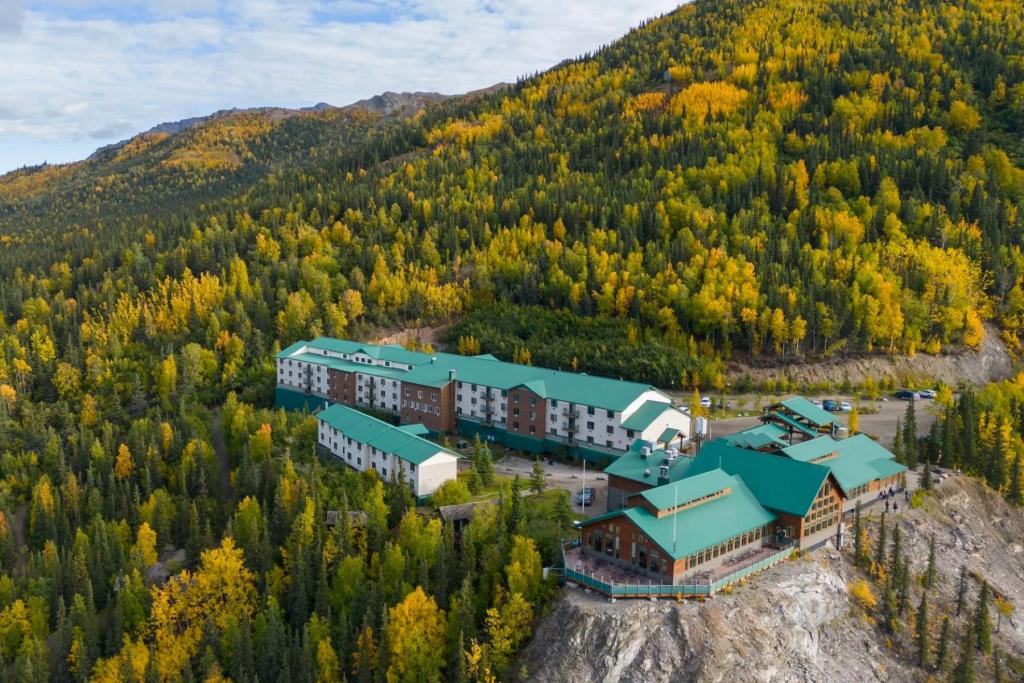
Most visitors to Denali National Park stay near the park entrance in the Denali area, where hotels, cabins, lodges, and campgrounds are located within minutes of the visitor center. Accommodations range from full service resorts to cozy cabins tucked into the boreal forest. The area has a lively seasonal summer atmosphere with restaurants, gift shops, guided tours, and shuttle services.
A limited number of backcountry accommodations are located inside Denali National Park itself in the Kantishna area. Stays at these lodges include transportation to an immersive wilderness experience away from the crowds.
Visitors who prefer a quiet setting can also find lodging a short drive north in Healy. The community offers easy access to dining and adventures.
Accommodations in the Denali area fill quickly, especially from June through August, so advance reservations are strongly recommended.
Kenai Fjords National Park
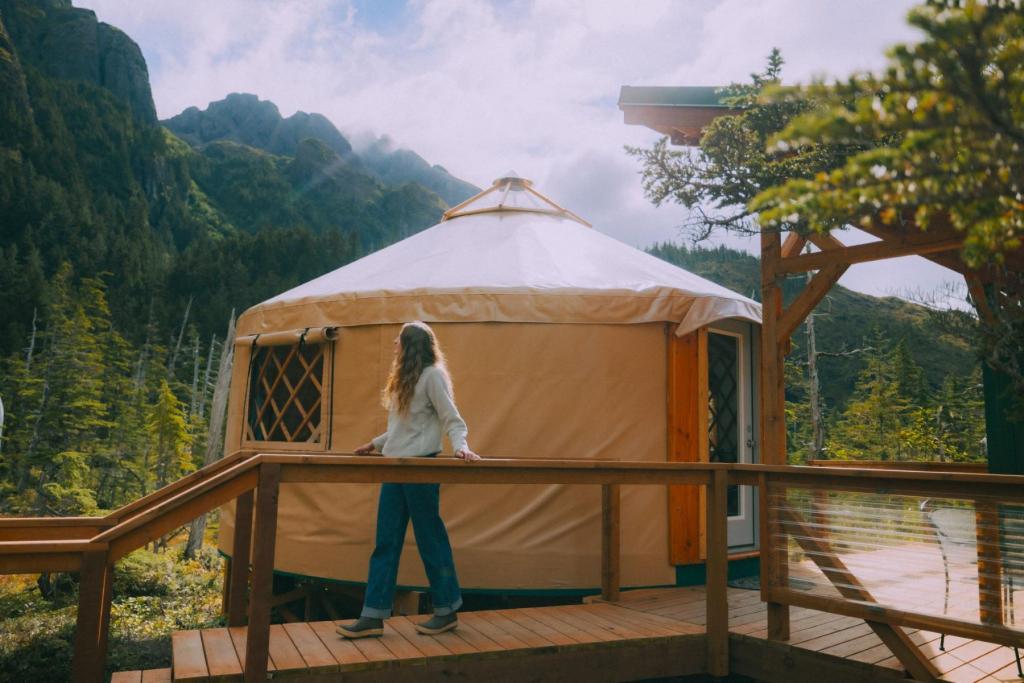
The coastal town of Seward serves as the gateway to Kenai Fjords National Park. Visitors will find hotels, waterfront lodges, vacation rentals, hostels, and campgrounds throughout town. Within the park, the National Park Service operates one walk-in campground in the Exit Glacier Area and two public use cabins that are only accessible by floatplane or water taxi. These cabins offer an overnight experience in a remote setting for self-sufficient visitors. Kayaking to the cabins is not recommended due to long stretches of exposed coastline with few landing sites.
Travelers seeking seclusion without sacrificing comfort can choose from several remote lodges scattered along the rugged coastline, many offering chef-prepared meals, guided excursions, and other upscale amenities. Accessible only by boat or water taxi, these accommodations give guests a chance to spend the night surrounded by dramatic fjords and marine wildlife.
Wrangell-St. Elias National Park and Preserve
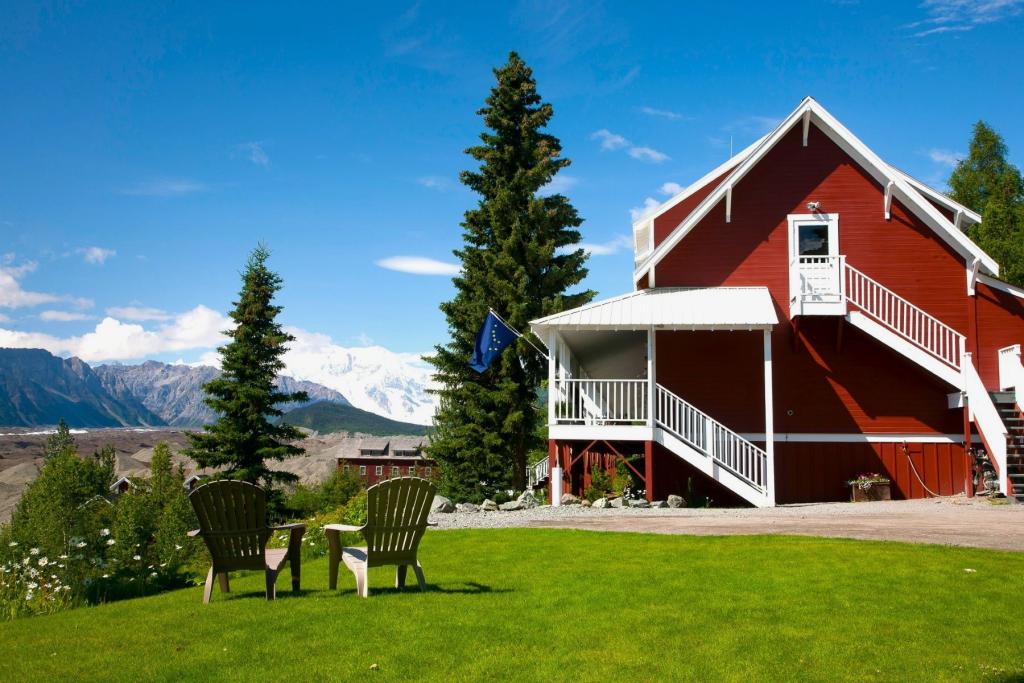
At 13.2 million acres, Wrangell-St. Elias is the largest national park in the United States, and lodging options are spread across a vast area. Many visitors stay in McCarthy and Kennicott, historic communities located in the heart of the park. Accommodations include restored hotels, guesthouses, cabins, and bed and breakfasts. A couple private campgrounds are located within walking distance to McCarthy, and several primitive campsites with bear-resistant boxes are scattered throughout the wilderness area of the park. Staying at the end of the McCarthy Road provides easy access to glacier hikes, rafting, flightseeing, and the Kennecott Mines National Historic Landmark.
On the park’s northern side, the Nabesna Road offers a quieter alternative. Visitors will find a handful of lodges, cabins, and campgrounds along the route, making it easy to explore hiking trails, historic sites, and lesser visited areas of the park. For travelers seeking solitude and wide open landscapes, the Nabesna area provides a distinctly different experience from the more developed McCarthy and Kennicott corridor.
There is also one fly-out backcountry wilderness lodge located within the park.
Glacier Bay National Park and Preserve
The charming community of Gustavus serves as the gateway to Glacier Bay. Visitors can choose from inns, lodges, cabins, and bed and breakfasts. Most accommodations are located within a short drive of Glacier Bay National Park headquarters and the dock where day cruises depart.
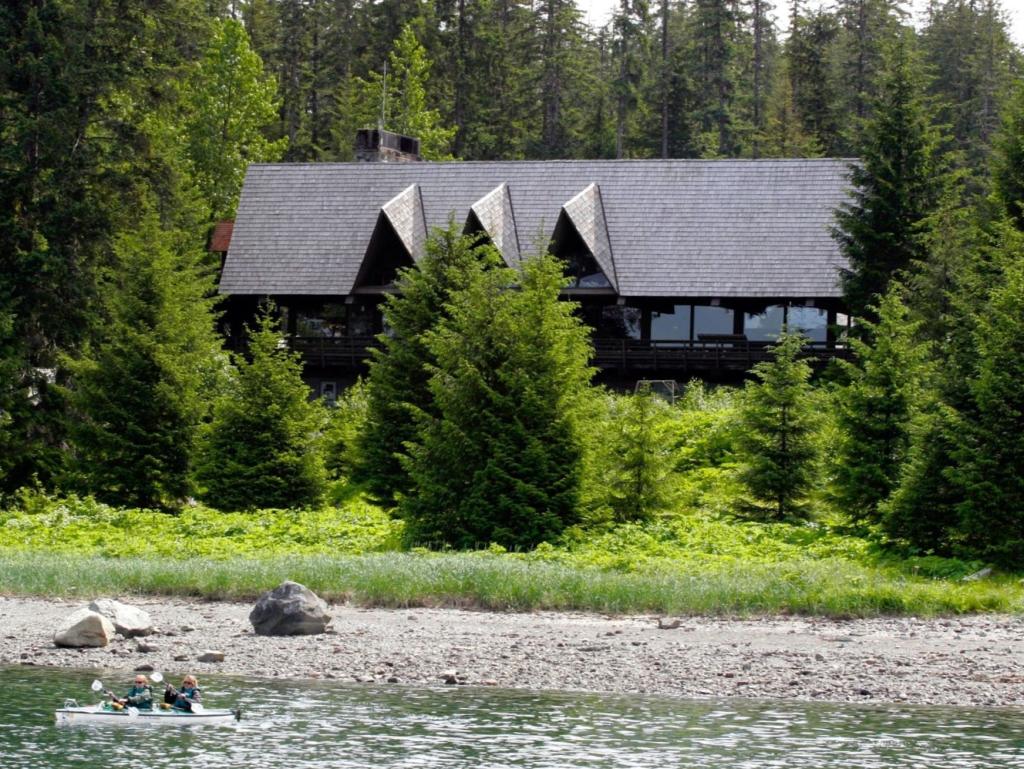
A historic lodge located inside the park offers convenient access to ranger programs, hiking trails, and boat tours. A walk-in tent campground is located in the park for those who are willing and prepared to wilderness camp. Most travelers arrive by plane or ferry, giving the area a peaceful, small town atmosphere that feels far removed from the pace of everyday life.
Katmai National Park and Preserve
There are no roads to Katmai, and most visitors stay at fly-in wilderness lodges in and near the park. Lodging options range from comfortable fishing lodges to remote backcountry camps. Many visitors arrive by floatplane from King Salmon or Anchorage, creating an unforgettable introduction to the park’s volcanoes, salmon streams, and famous bear viewing areas.
Several lodges are located inside the park, allowing guests to spend more time exploring. Camping is also available for travelers seeking a closer connection to the landscape. Brooks Camp is the most popular place to stay overnight in the park, offering wilderness lodge cabins, a campground, a communal lodge area, and close access to bear viewing at the iconic Brooks Falls.

Lake Clark National Park and Preserve
Port Alsworth serves as the primary gateway community for Lake Clark National Park and Preserve. Located on the shores of Lake Clark, the small community has lodging, air taxi services, guiding operations, and the park’s visitor center. For travelers seeking a balance between wilderness and convenience, Port Alsworth is a comfortable base for exploring the park.
Unlike many national parks, Lake Clark has no concession-operated lodging inside the park. All accommodations are privately owned and scattered throughout the region on private property. Fly-in cabins and lodges can be found on the shores of lakes and creeks throughout the area. Many lodges provide guided fishing, bear viewing, hiking, kayaking, and flightseeing excursions, allowing visitors to experience the park’s wilderness directly from their doorstep.
There is a private campground in Port Alsworth, and a primitive first-come, first served camping area with bear-resistant boxes on Upper Twin Lake.

Gates of the Arctic National Park and Preserve
There are no roads, visitor facilities, or developed lodging inside Gates of the Arctic National Park and Preserve. Most visitors begin exploring from Bettles, Coldfoot, or Wiseman, located outside of the park. Lodging in these communities is typically rustic but welcoming, with hearty home-cooked meals, knowledgeable local hosts, and access to flightseeing tours, air taxis, and guided adventures. Wiseman, a historic mining community at the base of the Brooks Range, reflects the region’s rich gold mining, aviation, and subsistence traditions while offering a rare opportunity to experience life in Alaska’s remote Arctic region. Travelers seeking a deeper wilderness experience can also join guided backcountry trips that include camping within the park itself.

Kobuk Valley National Park
Kobuk Valley is Alaska’s most remote national park, with no roads, campgrounds, maintained trails, or lodging within the park. Most visitors begin their adventure in Kotzebue, a remote Arctic hub located above the Arctic Circle. Set along the shores of the Chukchi Sea, the community offers a glimpse into life in Northwest Alaska, where Alaska Native traditions, subsistence activities, and a close connection to the land remain central to daily life. Visitors can explore the Northwest Arctic Heritage Center, browse Alaska Native arts and crafts, and experience a community shaped by generations of Arctic living before departing for the park. While accommodations are limited, visitors will find a handful of locally owned hotels and bed-and-breakfasts in town. The park can also be accessed from Bettles, offering rustic lodging, flightseeing, and a glimpse into life at the edge of the Brooks Range.
Adventurous visitors who wish to explore the park further can join guided backcountry camping and rafting trips within Kobuk Valley.
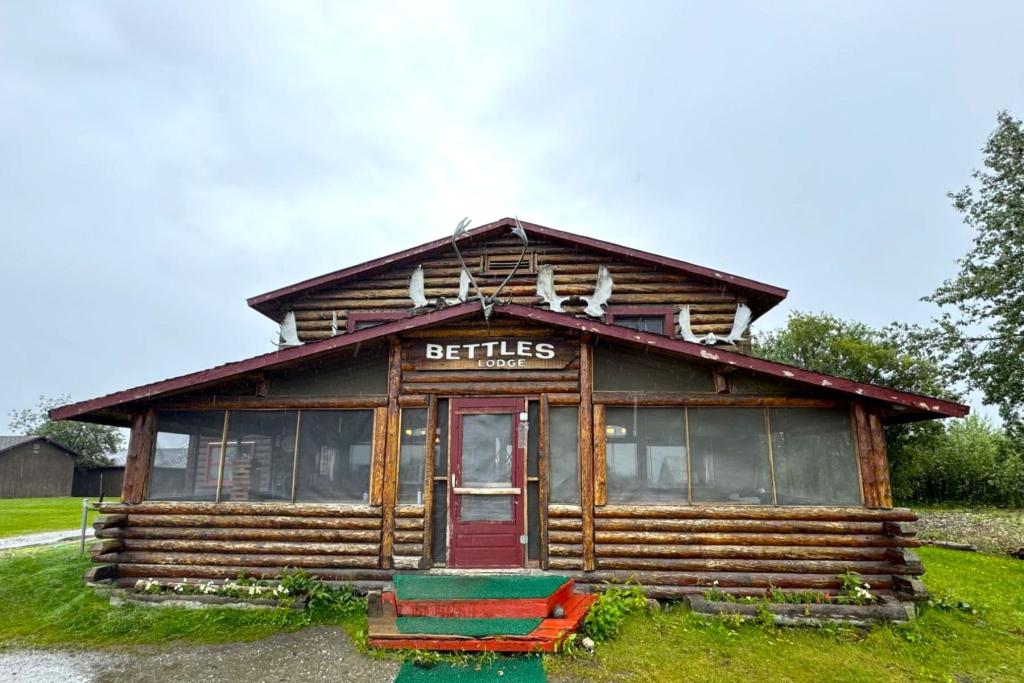
Where you stay often influences how you experience Alaska’s national parks. From historic Kennicott hotels and remote Kenai Fjords cabins to fly in wilderness lodges and Arctic campsites, Alaska’s national parks offer accommodations that place visitors close to the landscapes, wildlife, and experiences that make each park unique.

Alaska: AKA Your Next Adventure
Where will your Alaska adventure take you? Order our Official State of Alaska Vacation Planner and plot your course.