

Kenai Fjords National Park
Kenai Fjords National Park encompasses over 600,000 acres outside of the harbor town of Seward and was created in 1980 to protect some of Alaska's most incredible glacially carved landscapes. Snow and ice cover 50 percent of the park, with the vast Harding Icefield stretching over 700 square miles. This massive icefield is the source of about 40 tidewater glaciers that pour down from the mountains to the sea. Over time, these glaciers have carved the park’s distinctive u-shaped valleys that fill with seawater to form stunning fjords.
Best time to visit: May to September
Entry fee: Free
Visitor Centers: Kenai Fjords National Park Visitor Center in Seward, Exit Glacier Nature Center outside of Seward
Things to do: Day cruises, wildlife viewing, whale watching, birding, kayaking, Exit Glacier hiking, camping, interpretive programs, glacier trekking
Types of wildlife: Humpback whales, orcas, Dall's porpoises, harbor seals, Steller sea lions, sea otters, bears, mountain goats, moose, lynx, wolverines, porcupines, puffins, marmots, and more
Lodging: Campsites, cabins, wilderness lodges
Things to Do
Kenai Fjords National Park is one of the most popular of Alaska’s national parks and provides both leisurely and adventurous activities for visitors, including boat tours, kayaking, camping, public use cabins, fishing, beach combing, biking, hiking, cross-country skiing, dog sledding, ranger programs, flightseeing, and mountaineering.
Day Cruises & Kayaking Trips
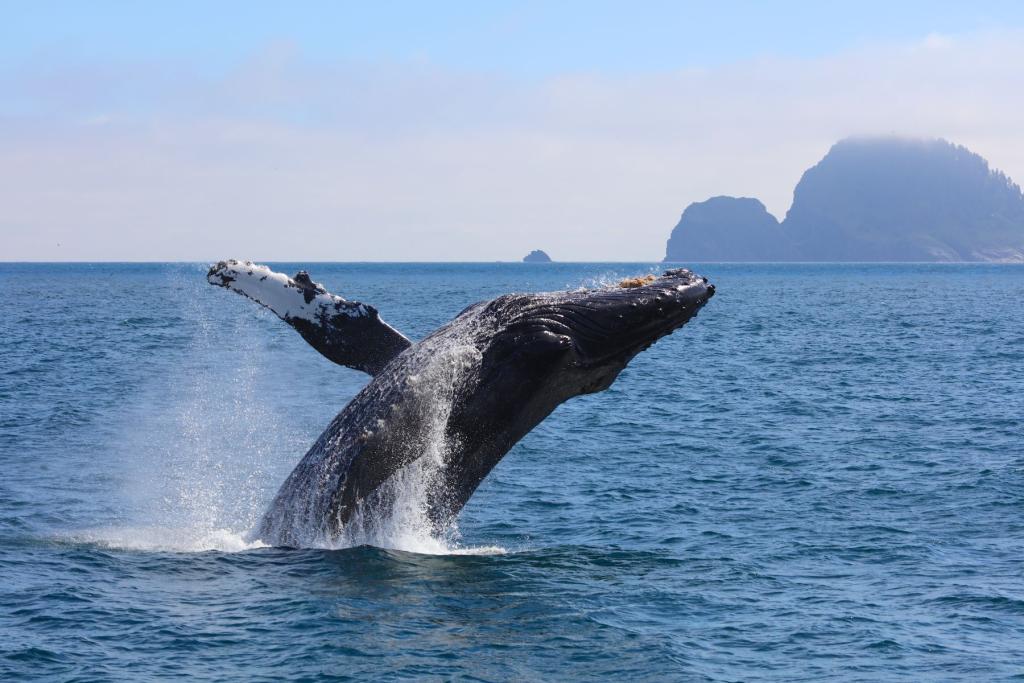
To see tidewater glaciers and the park's abundant marine wildlife up-close, join a full-day or half-day boat tour departing from Seward that explores the area's rugged coastline, islands, towering mountains, and stunning fjords, including Aialik Bay and Northwestern Fjord. Enjoy spectacular whale watching and marine wildlife viewing from the vessels, with possible sightings of orcas, humpback whales, fin whales, Dall’s porpoises, sea otters, Steller sea lions, and seabirds. For the truly adventurous, the coastal fjords are a kayaker's dream, and many visitors utilize drop-off services from water taxis or join guided tours to spend days paddling among icebergs in protected fjords.

Exit Glacier
Exit Glacier is the only destination in Kenai Fjords National Park that is accessible by land. You can drive from Seward, or take a shuttle or taxi to explore the glacier and Exit Glacier Nature Center.
Hiking at Exit Glacier
An Exit Glacier hike is the best way to witness the majestic beauty up close; these are the only hiking trails found within Kenai Fjords National Park. With trails ranging from leisurely strolls to challenging treks, there's a hike suited for every skill level. You can even journey to the glacier’s source, the vast Harding Icefield. If you’d prefer a more in-depth experience, consider a hike with a private guide. Exit Glacier Guides even offers adventures that take you hiking on the glacier itself. Two popular hikes are Harding Icefield Trail and Glacier View Loop Trail.
Harding Icefield Trail: Hikers can ascend 1,000 feet over 4 miles along the Harding Icefield Trail for breathtaking views alongside and above the icefield. Experienced mountaineers equipped with skis, ice axes, and crampons can continue on to explore the icefield.
Glacier View Loop Trail: For an easier, more accessible hike, take the one-mile Glacier View Loop Trail from the Exit Glacier Nature Center to view Exit Glacier from the valley floor. Whether you're embarking on a challenging hike, exploring ice caves, or simply soaking in the breathtaking views, Exit Glacier offers a true Alaska adventure. Ranger lead interpretive hikes on this trail several times a day in summer.

Exit Glacier Camping
Consider spending a night at the Exit Glacier Campground, which is the only formal campground in the park and is very close to the toe of the glacier. Fall asleep to the sounds of the river rushing past at this well-maintained but rustic campsite. Also near the campground is the southern trailhead for the Resurrection River Trail that heads 16 miles north into Chugach National Forest.
Wildlife Viewing
A wide variety of land and marine animals call Kenai Fjords National Park home, making wildlife viewing one of the most popular activities in the park. The area’s nutrient-rich waters are home to several whale species including humpback whales, gray whales, orcas, minke whales, and fin whales, along with other marine mammals such as Dall’s porpoises, harbor seals, Steller sea lions, and sea otters. Along the coastline and on land, black and brown bears, mountain goats, moose, lynx, wolverines, porcupines, and marmots can be seen. The park also provides habitat for over 190 species of birds including tufted and horned puffins, eagles, common murres, cormorants, pigeon guillemots, and kittiwakes.
Landscape
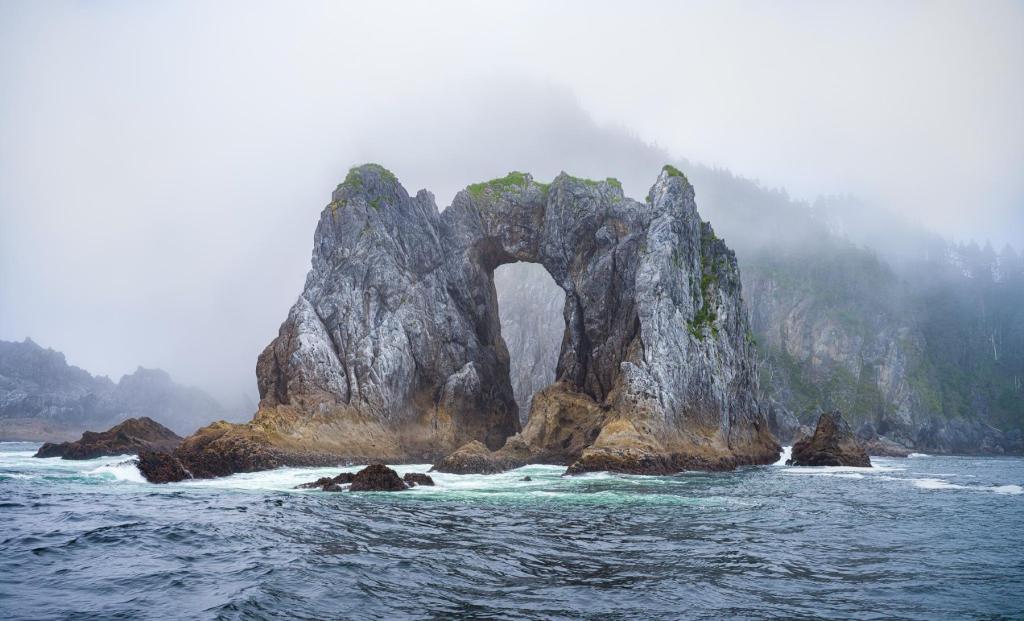
Kenai Fjords National Park encompasses three main areas: Exit Glacier, Harding Icefield, and the coastline. Exit Glacier, a half-mile wide river of ice, is the easiest section of the park to access. The 700-square-mile Harding Icefield is one of only a few remaining icefields in the U.S. and is also the largest icefield entirely within U.S. borders. The park’s rugged coastline includes beautiful tidewater glaciers and abundant marine wildlife.
Kenai Fjords History
Kenai Fjords National Park was established as a national monument in 1978. It became a national park in 1980 to preserve the fjord and rainforest ecosystems, Harding Icefield, abundant wildlife, and historical and archeological remains.
Kenai Fjords National Park Visitor Centers
The main Kenai Fjords National Park Visitor Center is located in the gateway community of Seward. Inside the park, you'll find a nature center, campground, and hiking trails in the Exit Glacier area.
Kenai Fjords Visitor Center
The Kenai Fjords National Park Visitor Center is located near the Seward Small Boat Harbor and has interactive exhibits, maps and books, and rangers who are happy to discuss the best ways to explore the park.
Exit Glacier Nature Center
At the Exit Glacier Nature Center, you’ll find information about the area, a bookstore, hiking trails, and a ranger on hand for questions. Ranger tours of the lower part of the glacier also depart from here several times a day in the summer months.
Where to Stay in Kenai Fjords National Park
Seward serves as the gateway to Kenai Fjords National Park and is home to the closest hotels, dining, and services outside of the park. A small campground, public use cabins, and a wilderness lodge accessible by boat are located within the park.
Exit Glacier Campground
The Exit Glacier Campground is the only established camping area ground in the park, with 12 walk-in, tent-only campsites available on a first-come, first-served basis.
Aialik, Holgate Arm, & Willow Cabins
Places to stay in Kenai Fjords National Park include three public use cabins along the fjords that are only accessible by water. Aialik Cabin is on a beach perfect for whale watching while Holgate Arm Cabin has a spectacular view of Holgate Glacier. The Willow Cabin is located near Exit Glacier and is available to rent year-round.
Wilderness Lodges & Backcountry Camping
Kenai Fjords Glacier Lodge, a scenic wilderness lodge only accessible by boat, is the only lodging located within the park. Multi-day kayaking tours camp along beaches with views of tidewater glaciers. Water taxis can also provide drop-offs at scenic beaches for those interested in independent backcountry camping and kayaking within the park.

How to Get to Kenai Fjords National Park
Seward is 130 miles south of Anchorage and can be reached via the Seward Highway year-round or the Alaska Railroad during the summer months. Many cruise ships also use Seward as a port-of-call.
From Seward, visitors can access the park on tour boats, water taxis, air taxis. The Exit Glacier area is easily accessible by road, making it a convenient destination for travelers wishing to get nose to nose with a glacier. The glacier sits at the end of the 8.2-mile Herman Leirer Road (often called “Exit Glacier Road” by locals).
For more information, visit the Kenai Fjords National Park website.
Plan Your Trip
Filter Your Trip
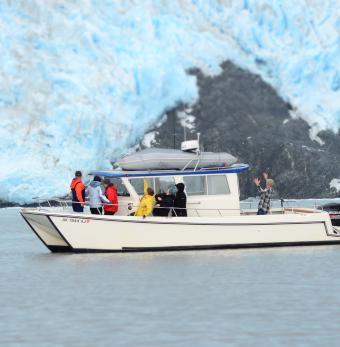
Leave the crowds behind, small group adventure is what we do. Smaller groups equal bigger Adventure. Join us on a scenic small group adventure as...

Kenai Fjords Glacier Lodge is the only lodge located within Kenai Fjords National Park. Wildlife viewing opportunities abound from this...
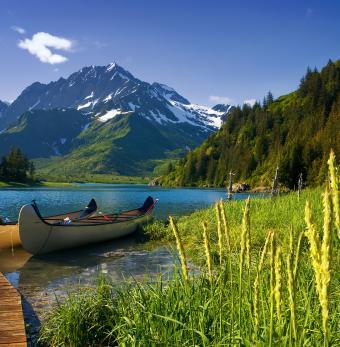
Kenai Fjords Glacier Lodge is the only lodge located within Kenai Fjords National Park. Wildlife viewing opportunities abound from this...

Alaska Silvertip Lodge & Cabins specializes in building customized vacation packages for couples, families, and groups. You choose the adventures...

Kenai Fjords Glacier Lodge is the only lodge located within Kenai Fjords National Park. Wildlife viewing opportunities abound from this...

ALASKA’S CUSTOM TOUR COMPANY | FISHING CHARTERS | SIGHTSEEING TOURS | CABIN RENTALS Alaska Silvertip Lodge and Cabins specializes in building...

From breathtaking scenic coach tours to the iconic Alaska Rail Road and self-drive packages – we have every option covered to complete your dream...

Alaska Silvertip Lodge and Cabins specializes in building customized vacation packages for couples, families, and groups. You choose the...
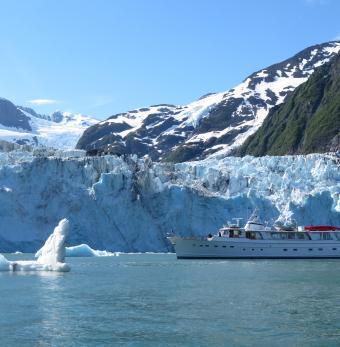
Alaska's ultimate small ship cruise adventures in the beautiful and remote Kenai Fjords National Park and Prince William Sound! We offer all...
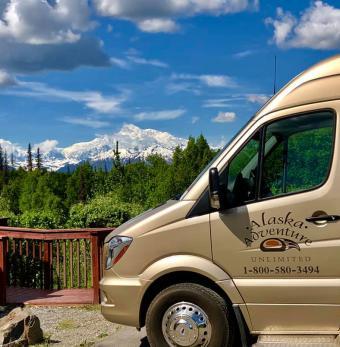
Alaska Adventure Unlimited is a locally based Alaska tour company specializing in small-group, multi-day land tours. For more than 30 years, we...

From breathtaking scenic coach tours to the iconic Alaska Rail Road and self-drive packages – we have every option covered to complete your dream...
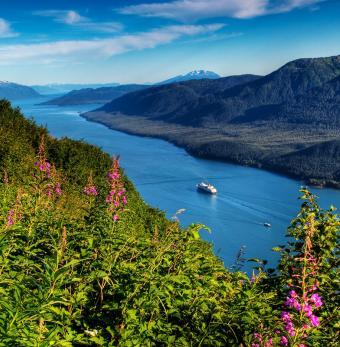
The Alaska Travel Experts for 25 years, Alaska Tour & Travel specializes in custom vacations to Alaska’s most spectacular cruise destinations...

Local Climate & Weather
For Alaska's day-to-day weather, it’s best to plan for a bit of everything. Learn more about weather in this area.