Alaska National Parks & Public Lands
Explore Over 322 Million Acres of America's Most Remote Wilderness
Looking for wild landscapes and wide open spaces? Alaska has an astounding number of national parks, state parks, and other public lands that offer outdoor adventures at every turn. With over 322 million acres of public lands — that’s over three times the size of the state of California — the opportunities for exploration are endless.
Denali National Park, Kenai Fjords National Park, Glacier Bay National Park, and Katmai National Park are the most well-known of our 8 national parks in Alaska, but that's just the beginning when it comes to our diverse range of national parks, national historical parks, national monuments, national preserves, and national wildlife refuges. In addition to national parks, Alaska has the United States’ largest state park system, with 3.2 million acres in over 120 state park units spanning every region of the state.
Our parks and public lands are vast and varied, from sand dunes to the tallest mountain in North America to rugged coastal islands, highlighting Alaska’s wildlife, natural beauty, Alaska Native culture, and history. A wealth of activities are at your fingertips in Alaska’s national parks and public lands, including hiking, camping, rafting, flightseeing, day cruising, fishing, wildlife viewing, kayaking, Alaska Native cultural opportunities, northern lights viewing, historical landmarks, and so much more.
Alaska's National Parks: How to Get There & When to Visit
Alaska's most famous and iconic public lands are our national parks. The state is home to about 60% of the United States’ total national park lands at 56 million acres. Entry into all of Alaska's National Parks except Denali is free. There are 8 national parks in Alaska:
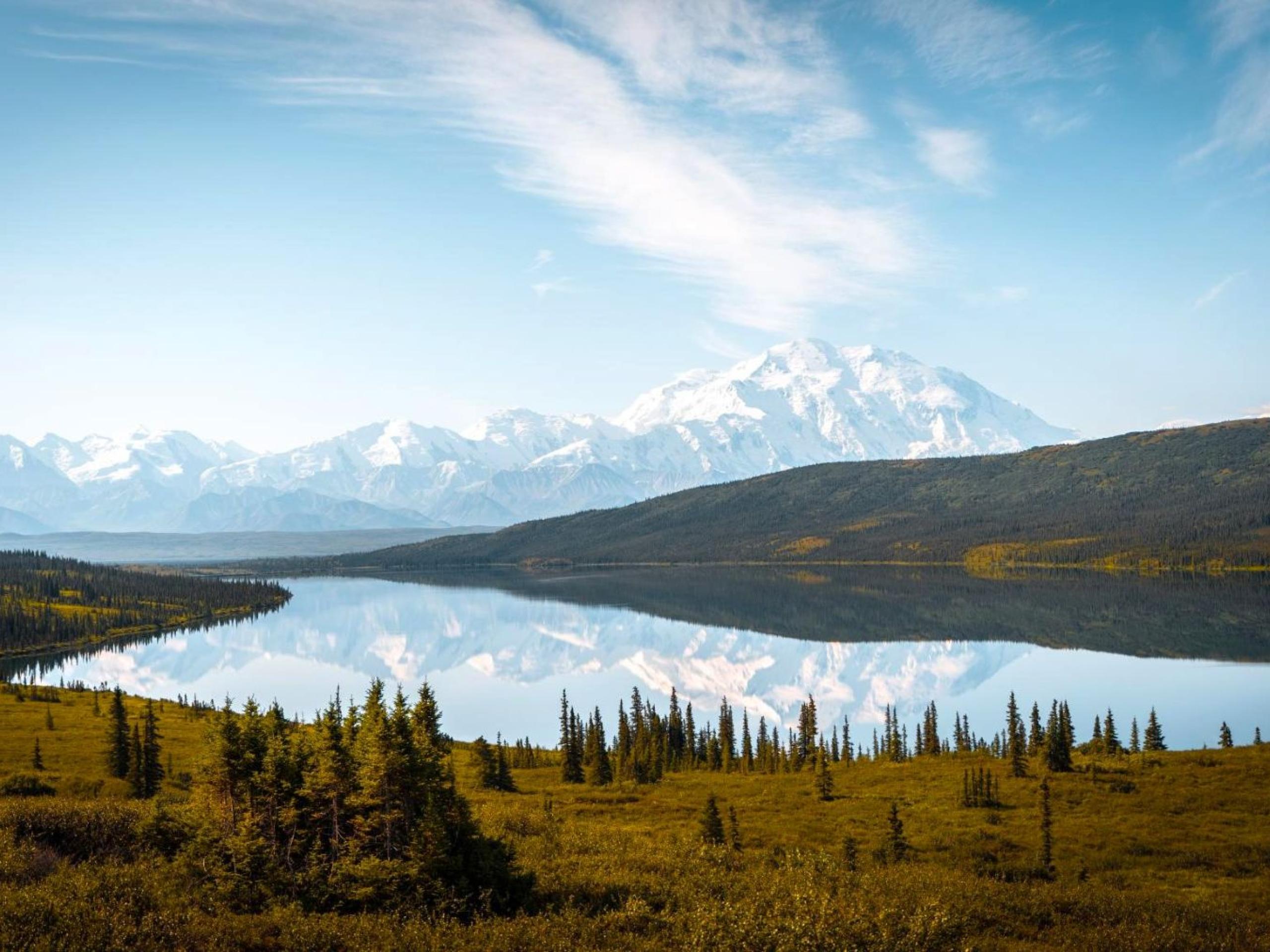
Denali National Park
How to Get Here: Drive (4.5 hours from Anchorage, 2.5 hours from Fairbanks)
Best Season: May - September
Best Known For: North America's tallest peak, wildlife bus tours, hiking
Entrance Fee: $15 per person for 7 day pass
Kenai Fjords National Park
How to Get Here: Drive (2.5 hours from Anchorage to Seward)
Best Season: May - September
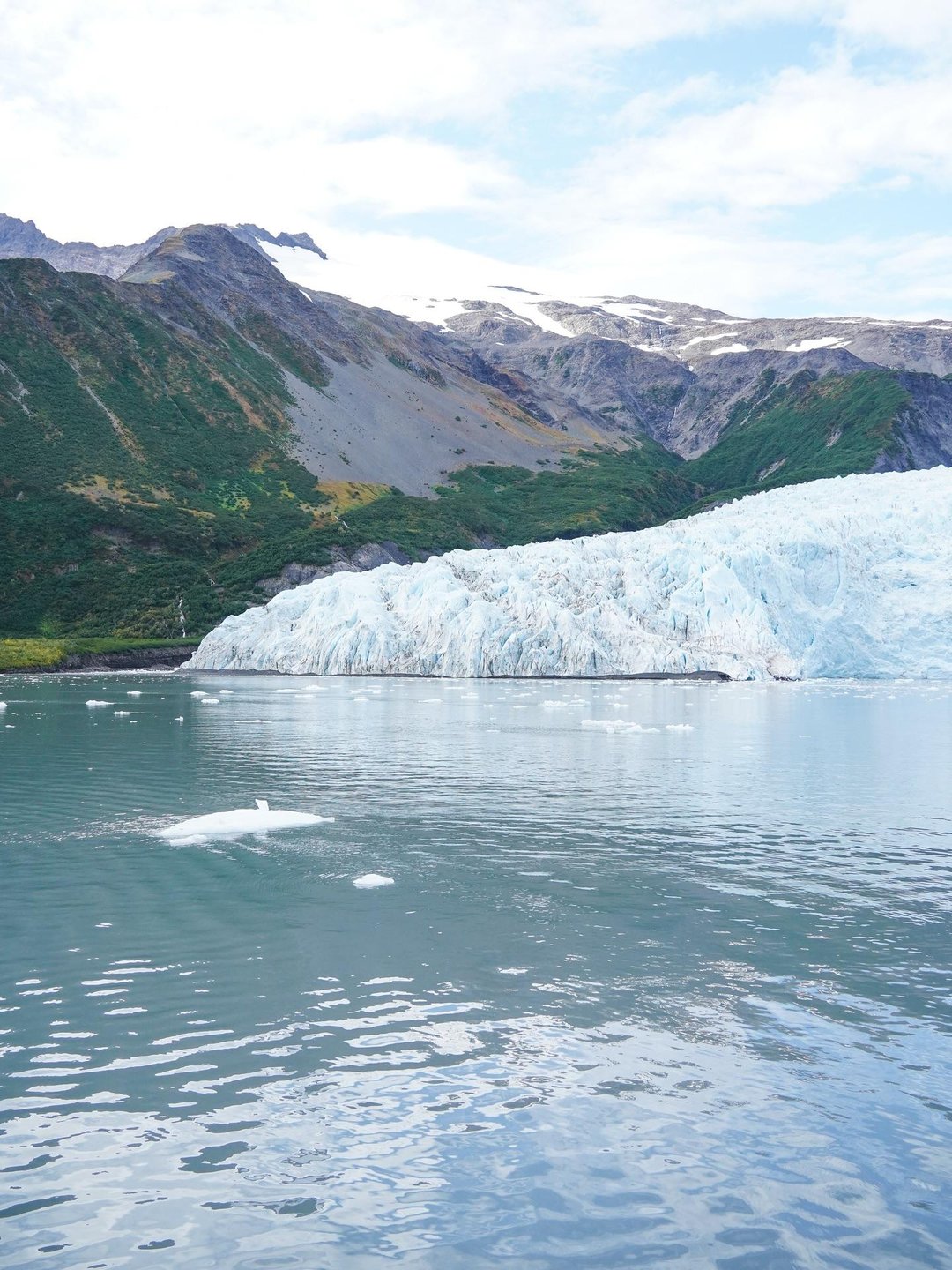
Best Known For: Tidewater glaciers, whale watching, wildlife cruises, Exit Glacier
Wrangell-St. Elias National Park
How to Get Here: Drive (6.5 hours from Anchorage, 8 hours from Fairbanks), Fly from Anchorage or Chitina
Best Season: May - September
Best Known For: Largest National Park in the U.S., Kennicott Mine, Root Glacier
Glacier Bay National Park
How to Get Here: Boat (cruise ship or day cruise from Gustavus), Fly from Juneau - no road access
Best Season: May - September
Best Known For: Tidwater glaciers, marine wildlife
Katmai National Park
How to Get Here: Fly (to King Salmon then floatplane/boat, or day flightseeing from Anchorage, Homer, Kodiak) - no road access
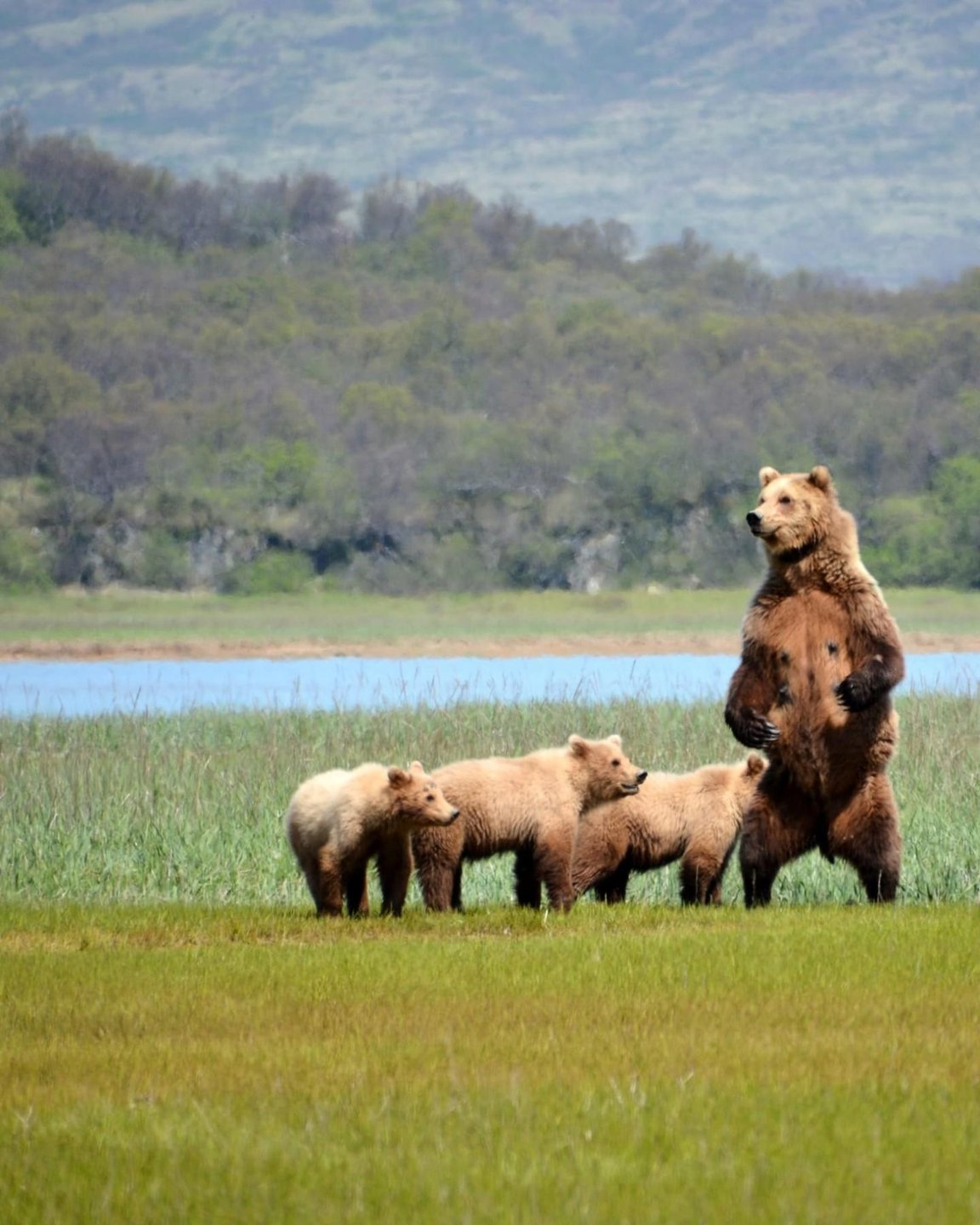
Best Season: July - September (bears)
Best Known For: Brown bear viewing at Brooks Falls
Lake Clark National Park
How to Get Here: Fly from Anchorage or Homer - no road access
Best Season: July - September
Best Known For: Bear viewing, sport fishing
Gates of the Arctic National Park
How to Get Here: Fly from Fairbanks, Coldfoot, or Bettles - no road access
Best Season: June - August
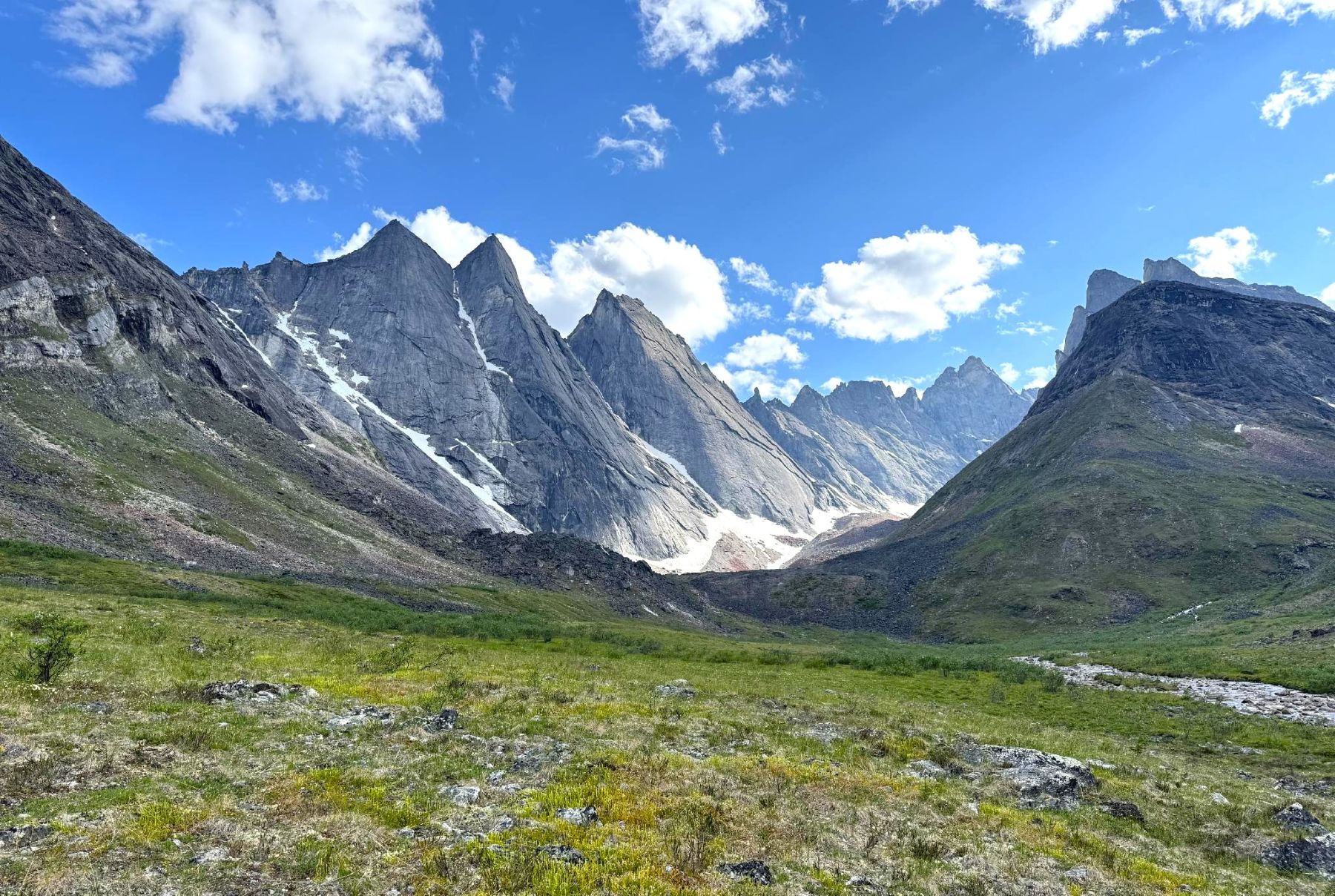
Best Known For: Northernmost National Park in the U.S., Arctic wilderness, backcountry trips
Kobuk Valley National Park
How to Get Here: Fly from Kotzebue - no road access
Best Season: June - August
Best Known For: Arctic sand dunes, caribou migration, Kobuk River
National Parks & Public Lands by Region
Arctic Parks & Public Lands
7 Parks
Arctic Parks & Public Lands
- Arctic National Wildlife Refuge, Gateway Communities: Coldfoot, Deadhorse, Fort Yukon
- Bering Land Bridge National Preserve, Gateway Communities: Nome, Kotzebue
- Cape Krusenstern National Monument, Gateway Communities: Kotzebue, Bettles
- Gates of the Arctic National Park & Preserve, Gateway Communities: Anaktuvuk Pass, Bettles, Coldfoot
- Kobuk Valley National Park, Gateway Communities: Kotzebue, Bettles
- Noatak National Preserve, Gateway Communities: Kotzebue, Bettles
- Selawik National Wildlife Refuge, Gateway Community: Kotzebue

Inside Passage Parks & Public Lands
14 Parks
Inside Passage Parks & Public Lands
- Admiralty Island National Monument, Gateway Communities: Juneau, Angoon
- Chilkat Bald Eagle Preserve, Gateway Community: Haines
- Glacier Bay National Park & Preserve, Gateway Community: Gustavus
- Haines Area State Parks, Gateway Community: Haines
- Klondike Gold Rush National Historical Park, Gateway Community: Skagway
- Mendenhall Wetlands State Game Refuge, Gateway Community: Juneau
- Misty Fjords National Monument, Gateway Community: Ketchikan
- Pack Creek Bear Viewing Area, Gateway Community: Juneau
- Point Bridget State Park, Gateway Community: Juneau
- Sitka Area State Parks, Gateway Community: Sitka
- Sitka National Historical Park, Gateway Community: Sitka
- Tongass National Forest, Gateway Communities: Juneau, Ketchikan, Petersburg, Hoonah, Sitka, Wrangell, Yakutat
- Totem Bight State Historical Park, Gateway Community: Ketchikan
- Wickersham State Historic Site, Gateway Community: Juneau

Interior Parks & Public Lands
17 Parks
Interior Parks & Public Lands
- Big Delta State Historical Park, Gateway Community: Delta Junction
- Birch Lake State Recreation Site, Gateway Community: Fairbanks
- Chatanika State Recreation Areas, Gateway Community: Fairbanks
- Chena River State Recreation Area, Gateway Community: Fairbanks
- Creamers Field Migratory Waterfowl Refuge, Gateway Community: Fairbanks
- Delta Junction State Parks, Gateway Community: Delta Junction
- Denali National Park & Preserve, Gateway Communities: Denali Park, Cantwell, Healy, Talkeena
- Harding Lake State Recreation Area, Gateway Community: Fairbanks
- Innoko National Wildlife Refuge, Gateway Community: McGrath
- Kanuti National Wildlife Refuge, Gateway Community: Bettles
- Koyukuk National Wildlife Refuge, Gateway Communities: Fairbanks, Galena
- Nowitna National Wildlife Refuge, Gateway Communities: Galena, Ruby
- Salcha River State Recreation Site, Gateway Communities: Salcha, Fairbanks, Delta Junction
- Tetlin National Wildlife Refuge, Gateway Communities: Tok, Northway
- Tok Area Parks, Gateway Community: Tok
- Yukon-Charley Rivers National Preserve, Gateway Communities: Eagle, Circle
- Yukon Flats National Wildlife Refuge, Gateway Communities: Fort Yukon, Fairbanks
Southcentral Parks & Public Lands
23 Parks
Southcentral Parks & Public Lands
- Alaska State Marine Parks, Gateway Communities: Seward, Valdez, Whittier
- Anchor River State Recreation Area, Gateway Community: Anchor Point, Homer
- Anchorage Coastal Wildlife Refuge, Gateway Community: Anchorage
- Caines Head State Recreation Area, Gateway Community: Seward
- Captain Cook State Recreation Area, Gateway Communities: Nikiski, Kenai
- Chugach National Forest, Gateway Communities: Girdwood, Whittier, Cordova, Hope, Seward, Valdez
- Chugach State Park, Gateway Communities: Anchorage, Girdwood, Eagle River, Eklutna
- Clam Gulch State Recreation Area, Gateway Communities: Kasilof, Anchor Point
- Deep Creek State Recreation Area, Gateway Community: Ninilchik
- Denali State Park, Gateway Community: Talkeetna
- Independence Mine State Historical Park, Gateway Communities: Palmer, Willow, Hatcher Pass
- Kachemak Bay State Park, Gateway Community: Homer
- Kasilof Area State Parks, Gateway Community: Kasilof
- Kenai Fjords National Park, Gateway Community: Seward
- Kenai National Wildlife Refuge, Gateway Communities: Cooper Landing, Soldotna, Kenai, Sterling
- Kenai River, Gateway Communities: Cooper Landing, Soldotna, Kenai
- Lake Louise State Recreation Area, Gateway Communities: Lake Louise, Glennallen
- Matanuska Glacier, Gateway Communities: Chickaloon, Palmer
- Nancy Lake State Recreation Area, Gateway Communities: Wasilla, Willow
- Ninilchik State Recreation Area, Gateway Community: Ninilchik
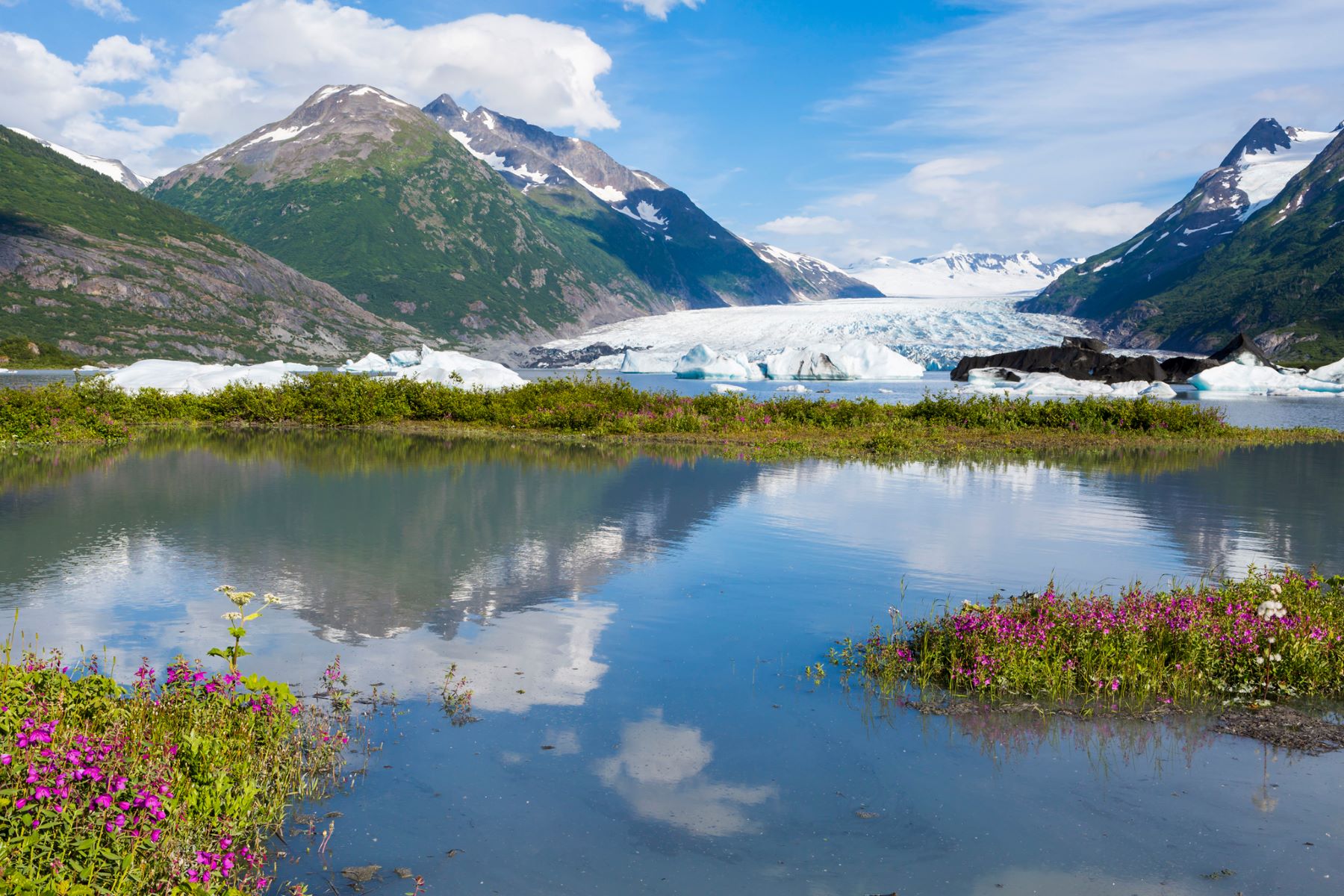
- Portage Glacier, Gateway Communities: Girdwood, Anchorage
- Summit Lake State Recreation Site, Gateway Communities: Hatcher Pass, Palmer, Willow
- Wrangell-St. Elias National Park, Gateway Communities: McCarthy, Chitina, Copper Center

Southwest Parks & Public Lands
15 Parks
Southwest Parks & Public Lands
- Alaska Maritime National Wildlife Refuge, Gateway Communities: Unalaska, Kodiak, Pribilof Islands, Adak, Seward, Homer
- Alaska Peninsula National Wildlife Refuge, Gateway Communities: King Salmon, Cold Bay & King Cove, Sand Point
- Aleutian Islands WWII National Historic Site, Gateway Community: Unalaska
- Aniakchak National Monument and Preserve, Gateway Community: King Salmon
- Becharof National Wildlife Refuge, Gateway Community: King Salmon
- Izembek National Wildlife Refuge, Gateway Community: Cold Bay
- Katmai National Park & Preserve, Gateway Communities: King Salmon, Kodiak, Homer, Anchorage
- Kodiak Area State Parks, Gateway Community: Kodiak
- Kodiak National Wildlife Refuge, Gateway Community: Kodiak
- Lake Clark National Park & Preserve, Gateway Communities: Port Alsworth, Iliamna, Homer, Anchorage
- McNeil River State Game Sanctuary, Gateway Communities: King Salmon, Kodiak, Homer
- Togiak National Wildlife Refuge, Gateway Communities: Dillingham, Bethel, King Salmon
- Walrus Islands State Game Sanctuary, Gateway Community: Dillingham
- Wood-Tikchik State Park, Gateway Community: Dillingham
- Yukon Delta National Wildlife Refuge, Gateway Community: Bethel
Alaska: AKA Your Next Adventure
Where will your Alaska adventure take you? Order our Official State of Alaska Vacation Planner and plot your course.

Adventure Green Alaska
Planning a trip to Alaska? Adventure Green Alaska is your guide to finding ecofriendly Alaska travel experiences.
Travel Inspiration
#TravelAlaska
#TravelAlaska
 @anna_crocitto
 @lostwithlydia
 @lostwithlydia
 @anna_crocitto
 @lostwithlydia