

The Art of Slow Travel in Alaska
As you scroll through the wealth of information about visiting Alaska, you might be feeling both excited and overwhelmed about how to pack it all in. Alaska is the largest state in the country. It’s home to more national park land than anywhere in the U.S., and is packed with wildlife, glaciers, vast landscapes, diverse cultures, and communities that each deserve a dedicated lifetime of exploration.
It’s tempting to try and see it all. But what if, alongside your bucket list of “must-sees,” you gave yourself permission to simply slow down?
What is Slow Travel?
Slow travel is a philosophy that prioritizes forming meaningful connections—to landscapes, food, culture, and people—over checking off as many sights as possible. Slow travel is less about how many miles per hour you move and more about the depth of your engagement.
It’s choosing to linger over a second cup of coffee at a local diner just to finish a conversation with the fisherman at the next table. It’s striking up a conversation with your rafting guide on how the region has changed in recent decades. It’s putting your phone away on a mountain ridge to be present in your surroundings. And, most importantly, it's the realization of how much more you can notice when you make a conscious effort to be more present in those surroundings.
The roots of the Slow Travel movement began with an unconventional protest in Italy in 1986. When a McDonald’s was slated to open near Rome’s historic Spanish Steps, the journalist Carlo Petrini handed out bowls of homemade pasta to passersby, declaring: “We don’t want fast food, we want slow food.” This protest sparked the global Slow Food movement, which emphasized local ingredients, traditional cooking, and eating with intention. Eventually, this slow philosophy expanded beyond restaurants, encouraging travelers to push back against “fast life” expectations and move at a pace that honors their destination.
While there is no set definition or rulebook for slow travel, there are a few guiding principles that the movement emphasizes. The first is favoring quality over quantity—one deep experience is better than ten rushed ones. Slow travel also involves being mindful of the social and environmental footprint that you leave behind and making conscious choices to mitigate those impacts as much as possible. Lastly, at its core, slow travel is about having an open mind and seeking out genuine connections with the places and people you encounter.
How to Practice Slow Travel
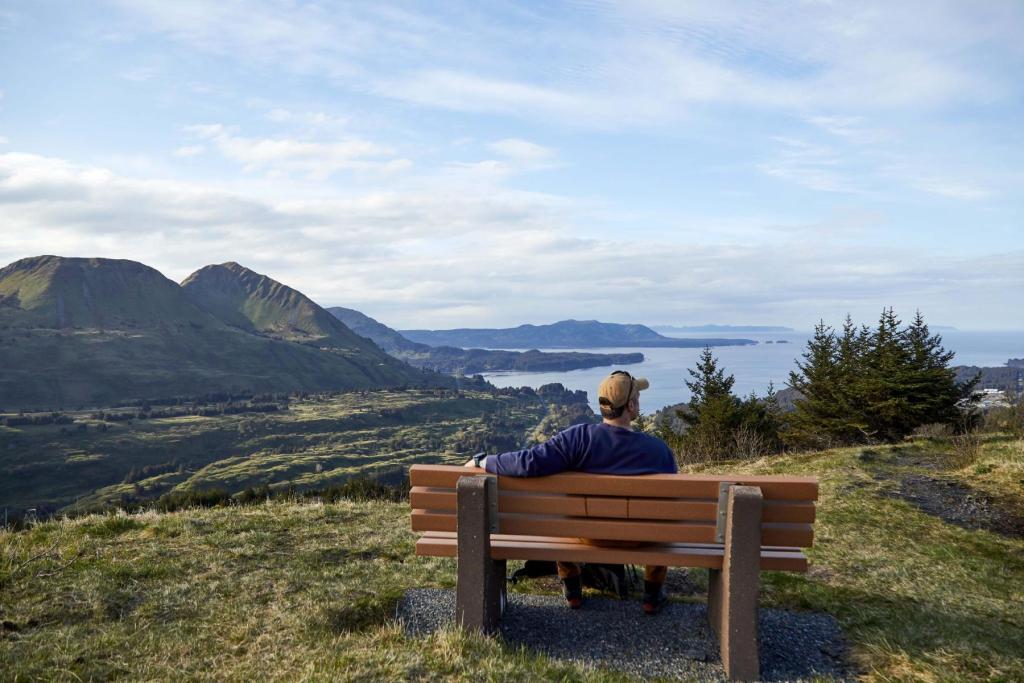
In practice, this might mean spending a couple of days in a community rather than a couple of hours. It could mean choosing to travel via the Alaska Marine Highway Ferry System, allowing the scenery to unfold along your route. It might look like choosing to eat all your meals at locally owned restaurants and asking your server for information on where your food comes from, or recommendations on their favorite hike. Or, slow travel could simply look like leaving your itinerary completely blank for a day and allowing yourself to wander freely.
Slow travel looks different for everyone. It’s worth saying clearly that slow travel isn’t all-or-nothing. It’s not a rejection of flights, cruises, or packed itineraries—especially in Alaska, where flying is often the only way to reach many destinations. PTO restrictions, budget realities, existing infrastructure, and accessibility needs all shape what’s possible for any given traveler. The slow travel mindset is more of an internal shift than a logistical one. It’s about allowing yourself to be present, to move away from constant busyness, and to measure the success of a trip by the depth of your experience, rather than the number of destinations you covered.

The Benefits of Slow Travel
1. Environmental Sustainability
Slow travel tends to be a more sustainable form of travel. By choosing to stay longer in one place, opting for slower, sometimes even non-motorized, activities, and supporting local businesses, you lower the environmental footprint of your trip.
2. Supporting the Local Economy
Slow travel can also bring greater economic benefits to local communities. When you stop rushing, you start wandering. You find the mom-and-pop bookstore, Alaska Native-owned art gallery, and family-run cafe. By spending your time and dollars in these spaces, you help drive economic growth, especially in small towns. Additionally, when you’re not trying to overpack your schedule, you might even find the time to engage in volunteer work that gives something back to your host communities.
3. Intimate Knowledge
Alaska is made up of distinct cultures and environments. When you spend intentional time in one place, you begin to understand its specific history, its unique challenges, and its hidden gems. You might leave with off-the-beaten-path hiking recommendations from a local, or, better yet, a new friendship.
4. A More Restorative Experience
Have you ever returned from a vacation feeling like you need another vacation? Slow travel flips that script. By removing the pressure of a rigid schedule, you’ll come home feeling rested. And when you’re not sprinting from one place to the next, you have more time to process and reflect on your incredible experiences.
The slow traveler doesn't necessarily see less of Alaska; they just see it more clearly. Alaska has so much to offer that even travelers who return year after year feel like they've barely scratched the surface. The good news? You don't have to choose between covering ground and going deep. You just have to give yourself a little more room—to linger, to wander, and to be surprised.
Alaska will meet you wherever you are. But it has a way of rewarding the ones who stay a little longer.

Alaska: AKA Your Next Adventure
Where will your Alaska adventure take you? Order our Official State of Alaska Vacation Planner and plot your course.