

Glacier Bay National Park and Preserve
As the name indicates, Glacier Bay National Park is renowned for its stunning glaciers. Set like a diamond in Alaska's Inside Passage, the park is home to over 1,000 glaciers, each contributing to the area's breathtaking scenery and ecological diversity. Exploring Glacier Bay's glaciers is best done by cruise or boat tour, both of which provide unparalleled glacier views and opportunities for wildlife viewing.
Best time to visit: Late May to early September
Entry fee: Free
Visitor centers: Glacier Bay National Park Visitor Center
Things to do: Glacier viewing, boat tours, whale watching, wildlife viewing, birding, kayaking, hiking, camping, river rafting, fishing
Types of wildlife: Orcas, humpback whales, Steller sea lions, sea otters, moose, brown and black bears, mountain goats, lynx, puffins, bald eagles, wide variety of seabirds
Lodging: Camping, lodge
Things to Do in Glacier Bay
Boat Tours
Most of the activities in the park are water-focused, with the most popular being full-day boat tours. These 7-hour tours travel about 130 miles through the park from Bartlett Cove to view wildlife and tidewater glaciers. Rangers are onboard to provide narration and help spot wildlife including whales, sea otters, harbor seals, Steller sea lions, seabirds, and land mammals like mountains goats and bears. The boat will cruise up to the face of a tidewater glacier and spend 30 minutes watching for glacier calving and listening to the cracks and groans of the glacier. These boat tours also offer backcountry drop-off service for those looking to kayak and camp in solitude in the park.

Kayaking
Kayaking offers a more intimate experience, allowing adventurers to navigate among icebergs and explore hidden corners of the park. Kayakers are often dropped off in the well-protected arms and inlets deep in the bay where they paddle past glaciers and camp along the shoreline on their own or as part of a guided kayaking tour.
Wildlife Viewing
Glacier Bay provides habitat for a wide range of marine and land mammals. Orcas, humpback whales, harbor porpoises, Steller sea lions, and sea otters are commonly seen in the area’s waters. On land, keep an eye out for moose, brown and black bears, mountain goats, lynx, and porcupines. Over 280 bird species have been identified in the park including puffins, cormorants, bald eagles, murrelets, shearwaters, oystercatchers, hummingbirds, and petrels.
Hiking
The only maintained hiking trails in Glacier Bay are in the Bartlett Cove area. A small network of trails explore the forests, shoreline, rivers, and lakes of the area, from the wheelchair accessible Forest Loop to the full day Bartlett Lake Trail.
The Glaciers of Glacier Bay
Glacier Bay's icy giants still command attention despite the global trend of glacier retreat. Though the park is not immune to the changing climate, and the glaciers have receded significantly over the past century, Glacier Bay continues to be a prime location for experiencing the grandeur of glaciers.
The park's glaciers are spread across 3.3 million acres, and many are visible along the shores of the bay itself. Margerie Glacier and Grand Pacific Glacier, both located at the head of Tarr Inlet, are among the most notable, often showcasing dramatic calving events.

Landscape of Glacier Bay
The area’s landscape has been carved by glacial activity for over 100,000 years. From the deep coastal fjords to the lofty mountains of the Fairweather Range, this landscape is still largely dominated by glaciers – with over a quarter of the park covered in ice. While there are over 1,000 glaciers in Glacier Bay, the most dramatic are tidewater glaciers which flow from the mountain snowfields to terminate in the ocean. The tidewater glaciers of Glacier Bay are a sight to behold, stretching ½ to 1 ½ miles wide with ice walls of up to 200-300 feet above water at the terminus.

History of Glacier Bay National park
Alaska Native History
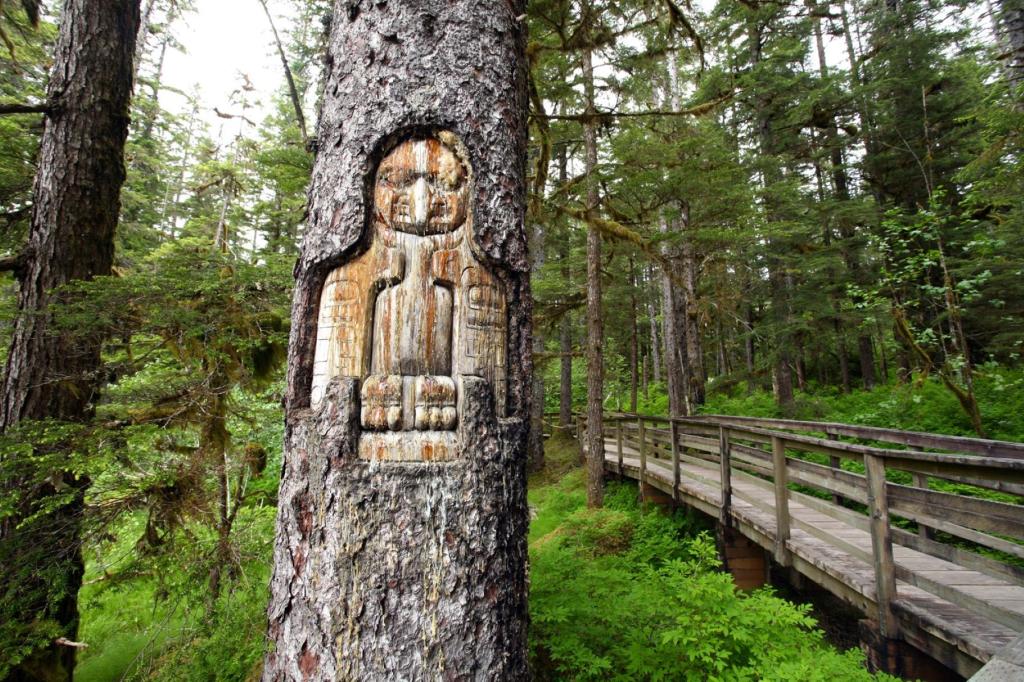
The Huna Tlingit have lived on the land now known as Glacier Bay for thousands of years. Visitors to the park today can learn about Tlingit culture, art, and traditions at the Xunaa Shuká Hít - the Huna Tribal House at Bartlett Cove.

John Muir in Alaska
The “Father of the National Park Service,” John Muir visited the area several times and was so inspired by the wild landscape and vast glaciers that he wrote about and presented on his Alaska travels extensively, later recounting his experiences in his famous work of nature writing, Travels in Alaska, published in 1915. John Muir’s words brought the area now known as Glacier Bay to the national stage. The Muir Glacier in Glacier Bay was named after John Muir.
National Park Designation
William S. Cooper, an ecologist from Minnesota, visited the area for the first time in 1916 and continued to study its plants and ecology over the following decades. Like Muir, he was so inspired by the area’s landscape that he began lobbying efforts to protect Glacier Bay, including convincing the Ecological Society of America to campaign for the formal protection of the area. Thanks to his efforts, Glacier Bay was designated as a national monument in 1925. In 1980, Glacier Bay was protected as a national park as part of the Alaska National Interest Lands Conservation Act (ANILCA) signed by President Jimmy Carter.
Visitor Centers, Places to Stay, and Camping in Glacier Bay National Park
Bartlett Cove
Bartlett Cove is the park headquarters and the site of a campground, a lodge, restaurant, bar, the Xunaa Shuká Hít - Huna Tribal House, and the only maintained hiking trails in the park. At Bartlett Cove, paddlers rent kayaks, visitors board tour boats for a day cruise into the park, and rangers lead guided hikes and give naturalist programs. The cove lies within Glacier Bay National Park but is still 40 miles south of the nearest tidewater glacier.
Glacier Bay National Park Visitor Center
The Glacier Bay National Park Visitor Center is located on the second floor of Glacier Bay Lodge. Here you'll find interpretive displays on the area's landscapes and cultural history, information on ranger programs, a book store, and a gift shop. At the foot of the main dock is the Visitor Information Station, where campers and recreational boaters can obtain backcountry permits and attend required orientation for backcountry trips.
Bartlett Cove Campground
The Bartlett Cove Campground is a free walk-in tent camping area, with sites available on a first-come, first serve basis. The scenic campground is located in the rainforest next to the coast and features bear-proof food storage, a fire pit on the beach, and a warming hut.
Glacier Bay Lodge
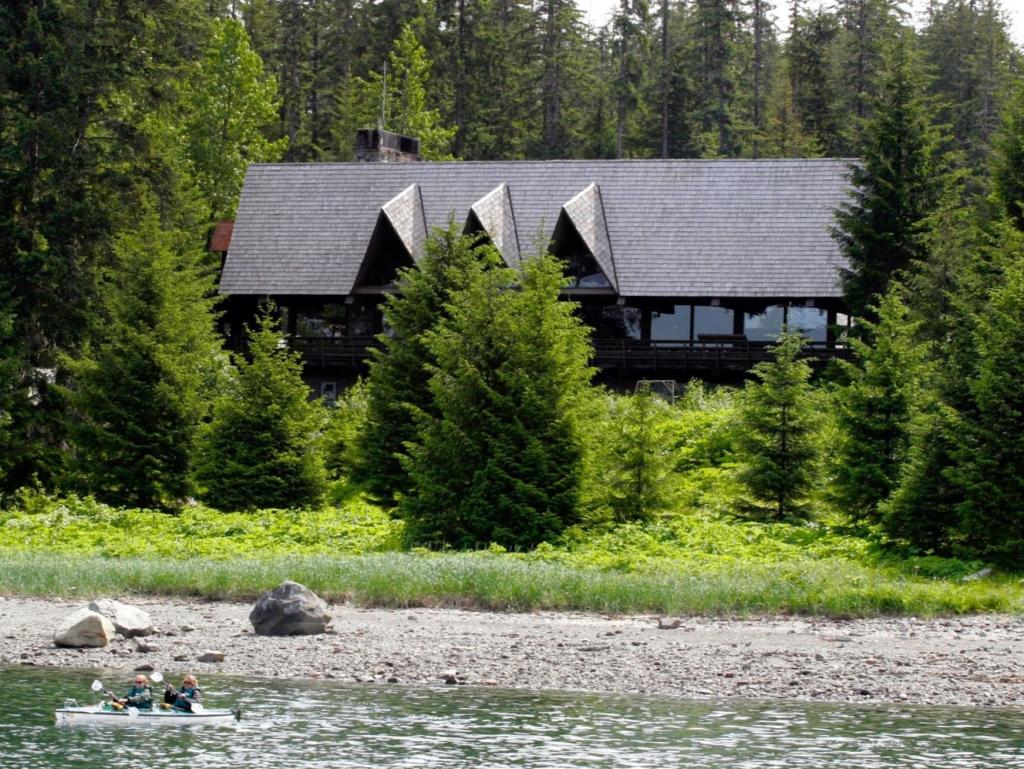
Glacier Bay Lodge is the only lodging within the park, with about 50 guest rooms connected by boardwalks in the forest. Located on the shores of Bartlett Cove, the main lodge houses the Glacier Bay National Park Visitor Center along with a restaurant, gift shop, and tour desk where you can book boat tours into Glacier Bay. The lodge is typically open late May through early September.
Gustavus
About 10 miles away and connected to Bartlett Cove by road is the small town of Gustavus. The rural community has a dozen lodges, inns, and bed and breakfasts, a handful of restaurants, and outfitters and charter captains who arrange whale watching excursions, fishing trips, mountaineering expeditions, and guided kayaking tours.
How to Get to Glacier Bay National Park
Visiting Glacier Bay by Cruise Ship
More than 90 percent of the park's visitors arrive on cruise ships, which typically spend a whole day exploring the park’s stunning scenery and abundant wildlife, stopping in front of tidewater glaciers to watch for calving. While in the park, National Park Rangers board cruise ships to give presentations and answer questions.

Visiting Glacier Bay Independently
Independent travelers access the park through the town of Gustavus and the park headquarters at Bartlett Cove for a variety of adventures into the park.
Alaska Airlines provides daily jet service from Seattle and Anchorage to Juneau with connections via a number of carriers to Gustavus. The Gustavus airport is 10 miles by road from park headquarters at Bartlett Cove. Several air taxi companies provide small plane flights year-round from several southeast Alaska towns to Gustavus. A passenger ferry operates between Juneau and Gustavus/Bartlett Cove on a limited schedule.
For more information, visit the Glacier Bay National Park website.
Plan Your Trip
Filter Your Trip

THE BEST OF ALASKA AND THE YUKON.
Holland America Line gives you two incredible ways to experience Alaska's incredible interior. Choose one of...

The best of Alaska's glaciers and ports are yours on the ultimate Alaska cruise, with perfectly sized ships that get you closer to all the wonder...

Local Climate & Weather
For Alaska's day-to-day weather, it’s best to plan for a bit of everything. Learn more about weather in this area.