
The Ultimate Two Week Alaska National Park Itinerary
Alaska is home to eight national parks that span an incredible range of landscapes, from coastal fjords to Arctic tundra. For travelers who want to experience as many as possible in one trip, it takes some planning, a willingness to cover distance, and a mix of transportation methods (including a rental car for most of the trip). This itinerary is ambitious, but is designed to make the most of your time while still allowing space to experience each park in a meaningful way. Travelers looking for a slower pace can easily add extra rest days along the route.
This itinerary visits six of Alaska’s national parks and incorporates multiple regions, transportation styles, and activity levels. While it moves quickly, it offers a strong introduction to the landscapes, wildlife, and cultures that define Alaska, and it may just inspire a return trip to explore even more.
You’ll notice one park is missing from this itinerary: Kobuk Valley National Park. Located above the Arctic Circle, it’s one of the most remote parks in the country, with no roads or visitor infrastructure. Reaching it typically requires specialized air access and careful planning, which makes it better suited for a dedicated trip of its own.
Dive in to an interative journey that brings the itinerary to life.
The Ultimate Two Week Alaska National Parks Itinerary
After arriving in Anchorage, Alaska’s largest city, pick up your rental car and then ease into the trip with a walk or bike ride along the Tony Knowles Coastal Trail, where views of Knik Arm and the Chugach Mountains make a nice introduction to Alaska’s scenery. If time allows, explore local museums or take a short city tour to get your bearings. Anchorage also offers a wide range of dining options, from fresh seafood to globally inspired cuisine.

The drive north to Denali National Park and Preserve takes about five hours on the Parks Highway. Along the way, consider a stop in Talkeetna, a small community known for its views of the Alaska Range on clear days, and unique vibes. Once you reach the park entrance area, stop by the Visitor Center to browse educational exhibits, then go for a nature walk on one of the short trails nearby, such as the 2-mile Horseshoe Lake Trail. Budget a few extra minutes in case you’re lucky enough to spot a moose.
There are numerous dining options near the Park, and you can even attend a dinner theater show. Spend the next two nights at one of the many lodging establishments near the Park entrance.
There are many ways to explore Denali. Guided bus tours provide access deeper into the park and increase the chances of seeing wildlife such as moose, caribou, and bears. You can also choose guided hiking, flightseeing tours for a close-up view of North America’s tallest peak, or even whitewater rafting on the Nenana River.

After breakfast, continue north to Fairbanks, a two-and-a-half-hour drive. Spend the afternoon exploring cultural and historical attractions in Alaska’s second-largest city. In the evening, take to the air for a flightseeing tour over Gates of the Arctic National Park. The plane will take you over the Arctic Circle and land at the base of the Brooks Mountain Range, before returning to the skies to let you experience one of Alaska’s most remote national parks from the air. From above, you’ll see winding rivers, rugged peaks, and a sense of scale that’s difficult to grasp from the ground.
You’ll return to your lodging a bit after midnight, but that’s normal in the land of the Midnight Sun. Get some rest before tomorrow’s adventure.

The next leg of your journey will take you south on the Richardson and Edgerton Highways for approximately six hours to a small town on the Copper River called Chitina. Park your car at the airport, and board a bush plane for a 30-minute flight to McCarthy, a gateway town to Wrangell-St. Elias National Park. Flying instead of driving the 60-mile gravel McCarthy Road saves time and spares you the challenges of the rugged route, which is one that most rental car companies prohibit their vehicles from driving. The short flight offers sweeping views of the Wrangell Mountains and sets the stage for your time in the largest National Park in the country.
Base yourself in McCarthy or nearby Kennicott and spend the day exploring. Popular guided activities include glacier hiking on the Root Glacier and tours of the historic Kennecott Mines. The area offers a unique combination of cultural history and dramatic mountain scenery, with opportunities to learn about the region’s mining past and its present-day communities.
There are several dining options in the two towns, ranging from food trucks to gourmet restaurants with white tablecloths and surprisingly sophisticated options for such a remote destination. Overnight in Kennicott or McCarthy for two nights.

Fly back to Chitina and drive to Anchorage, where you can relax and recharge. The drive typically takes about five hours. After several days of travel, this is a good time to enjoy a leisurely dinner and prepare for the next phase of the journey.
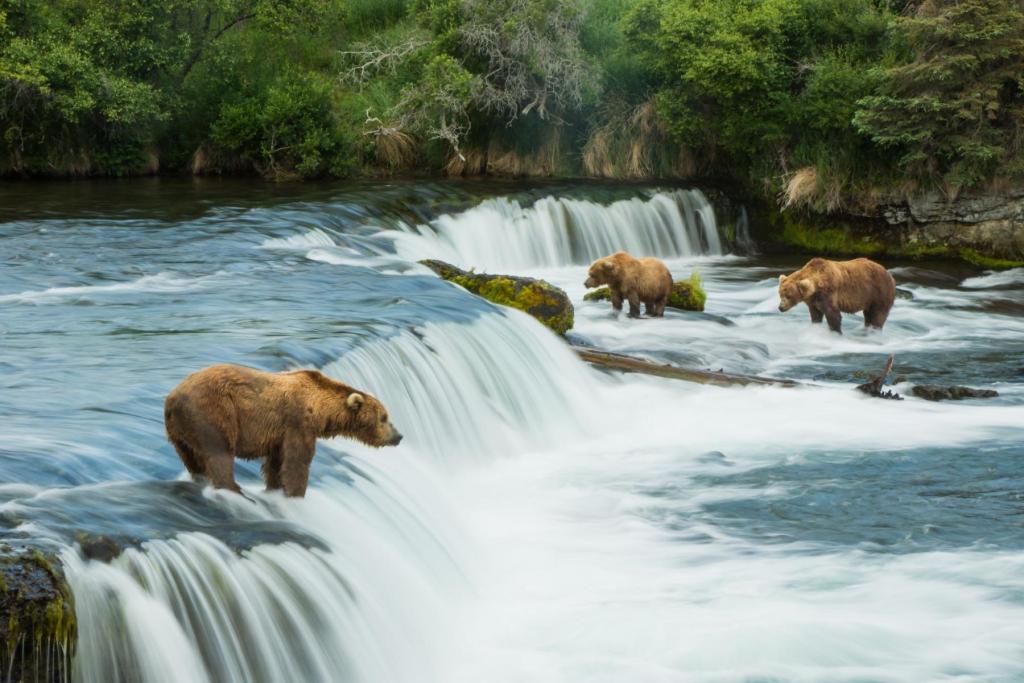
From Anchorage, take a small plane for a full-day trip to either Katmai National Park and Preserve or Lake Clark National Park and Preserve. Both parks are known for their opportunities to observe brown bears in their natural habitat.
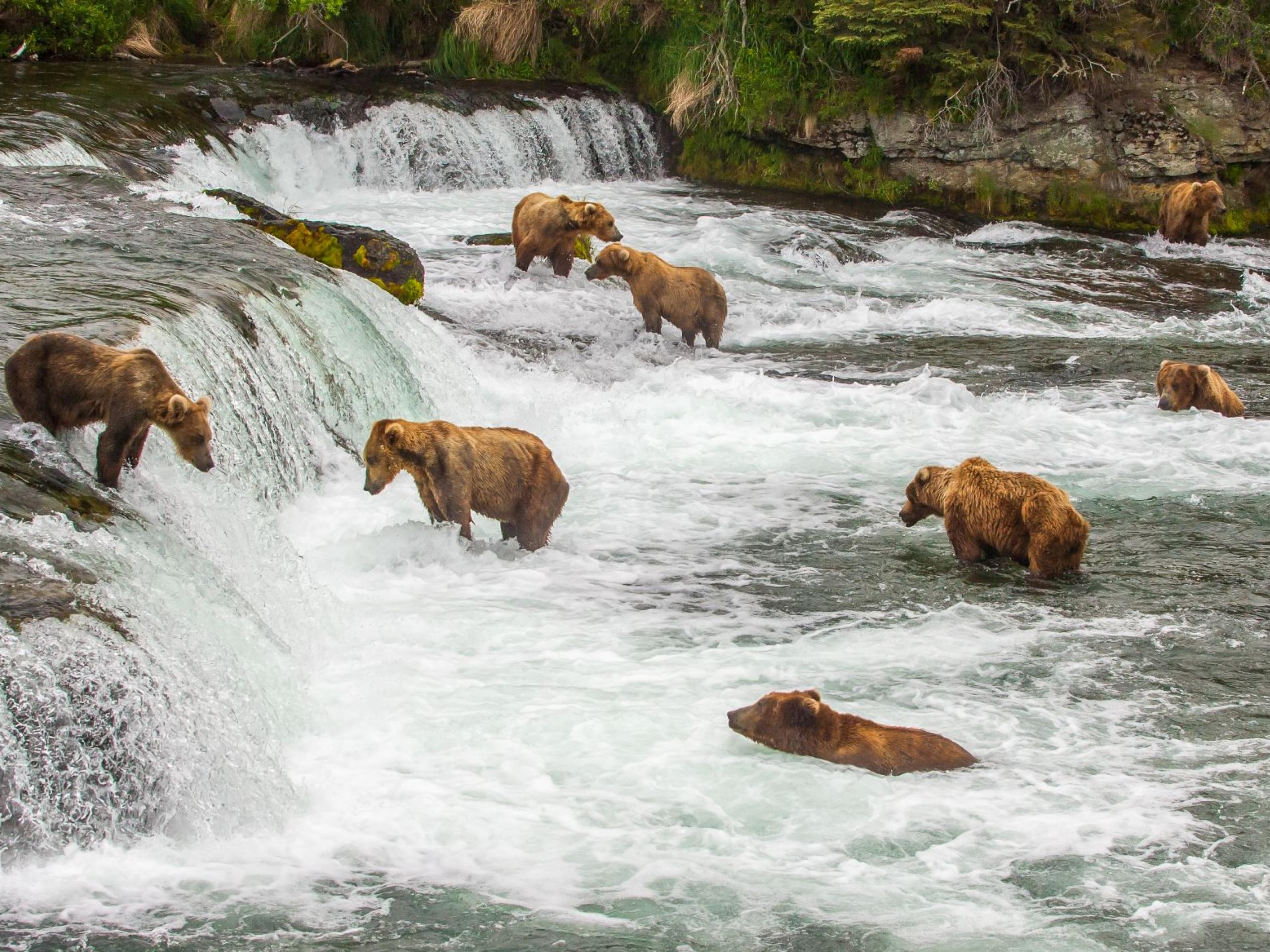
Katmai is best known for Brooks Falls, where bears gather in large numbers to fish for salmon. It offers some of the most reliable and concentrated bear viewing in the state, with viewing platforms that make it accessible for a wide range of travelers. The tradeoff is that it can feel busier during peak season, especially when salmon are running.
Lake Clark, on the other hand, tends to offer a more secluded and flexible experience. Bear viewing here often takes place along quieter coastal areas, where groups of visitors are smaller and itineraries can shift based on where wildlife is most active. While sightings are still common, they can be a bit less predictable than at Brooks Falls, and logistics may vary depending on weather and conditions.
After returning back to Anchorage, relax and prepare for the next day’s road trip.
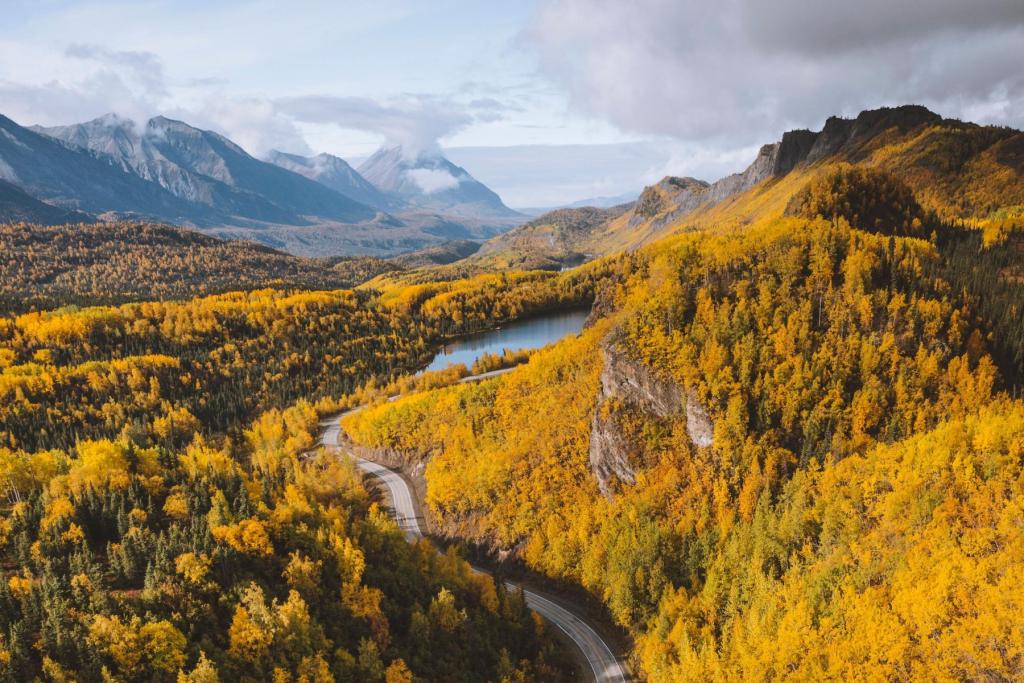
From Anchorage, drive south along the Seward Highway, one of Alaska’s most scenic routes. The road follows Turnagain Arm, where you may spot beluga whales or Dall sheep along the cliffs. Consider stopping at Beluga Point or the Alaska Wildlife Conservation Center before continuing to Seward. Once there, take a walk along the waterfront or visit Exit Glacier, one of the most accessible glaciers in the state, located in Kenai Fjords National Park.
Seward offers a range of food options from casual eats to sophisticated cuisine. Advance reservations for groups are recommended.
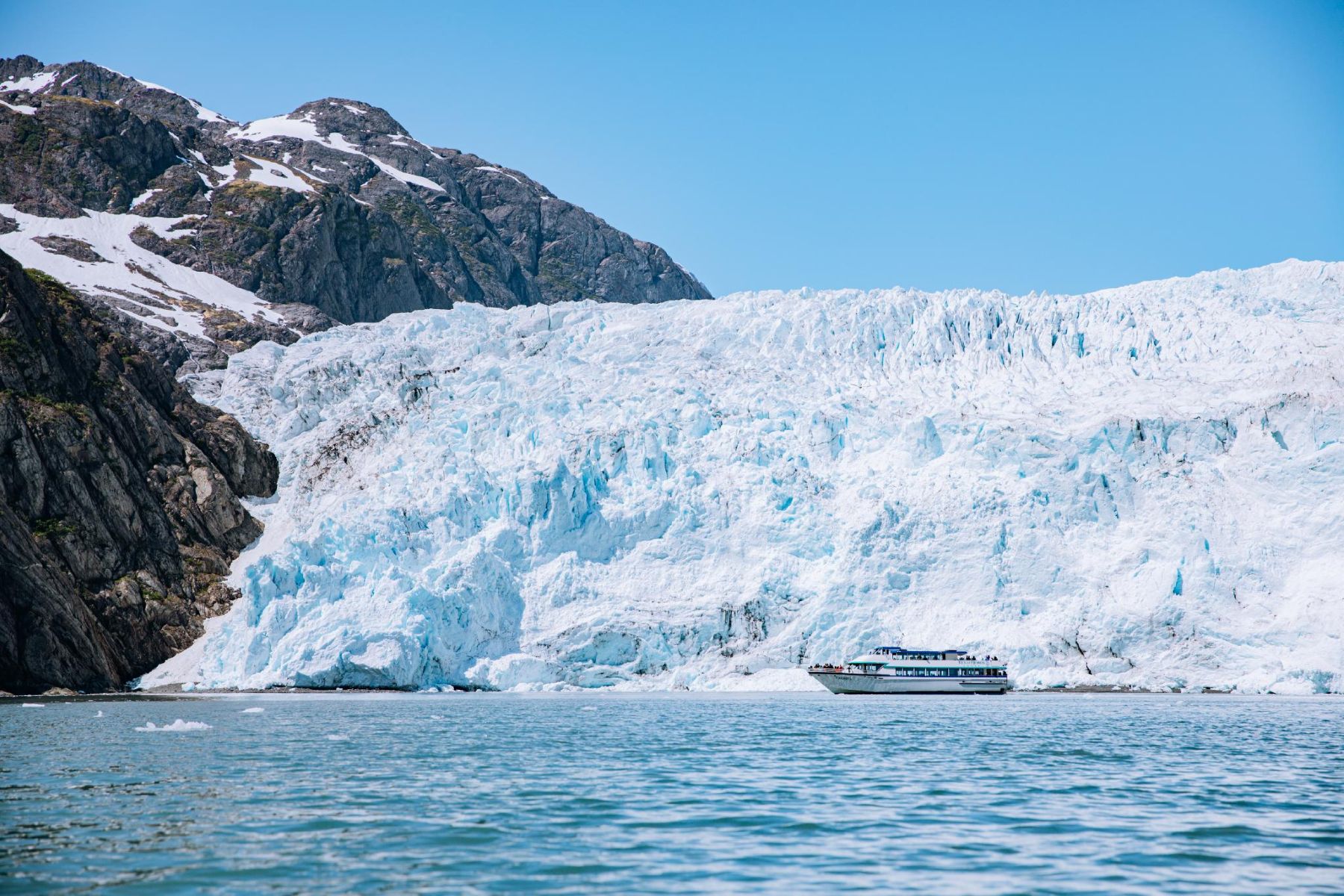
Spend the next day on a glacier and wildlife cruise in Kenai Fjords National Park. These tours travel through fjords carved by ice, offering views of tidewater glaciers and marine wildlife such as whales, sea otters, and seabirds. This is one of the most accessible ways to experience Alaska’s coastal environments and observe how glaciers shape the landscape over time. Spend a second night in Seward, or return to Anchorage if you’re up for the 2.5-hour drive.
Return your rental car and catch an afternoon flight from Anchorage to Gustavus, the gateway to Glacier Bay National Park and Preserve. Settle into your accommodations and enjoy the slower pace of this small community.

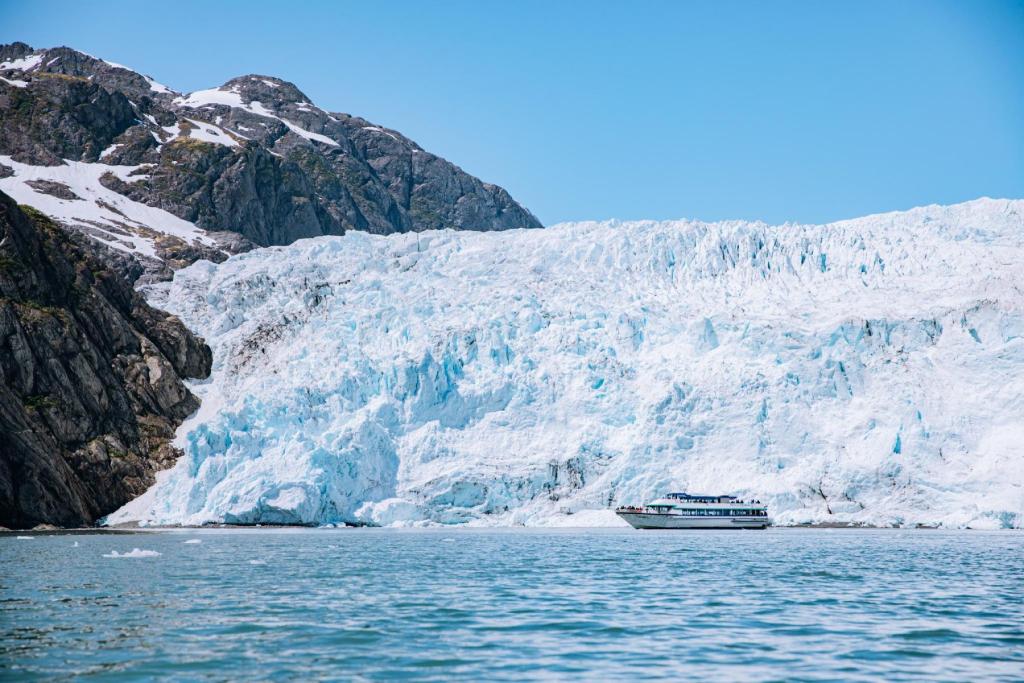
A full-day boat tour is one of the best ways to explore Glacier Bay National Park. The park is known for its massive glaciers, deep fjords, and abundant wildlife. Rangers and interpreters accompany these cruises, sharing insights into the park’s natural history and the role it continues to play for nearby Alaska Native communities. This connection to living culture adds another layer of understanding to the landscape.
The next day, fly to Anchorage or Juneau from Gustavus to connect with your return flight. By now, you’ll have experienced a wide range of Alaska’s national parks, from the Interior to the coast, and gained a deeper appreciation for the scale and diversity of the state.


Alaska: AKA Your Next Adventure
Where will your Alaska adventure take you? Order our Official State of Alaska Vacation Planner and plot your course.