

The Significance of Subsistence for Alaska Native People
A Traditional Way of Life
In today’s modern world when people think of hunting, fishing, and foraging, they often think of it as a hobby, or possibly even unethical. However, in Alaska and many other rural places it’s a way of life and often a necessity for survival. For Alaska Natives, myself included, it’s been our way of life for generations. Subsistence living keeps us strong in many ways. These traditional foods nurture not only our physical health, but our spiritual health as well in the form of strengthening our communities. We live and thrive on these lands–listening to the sounds and secrets of the seasons and welcoming the blessings every cycle offers.
I consider myself incredibly lucky to come from a culture and place that provides for my people. Living off the land connects me to it, and it helps me understand the importance of caring for it. We ourselves are an integral part of the ecosystem, and it’s crucial we only take what is needed to ensure healthy herds, fish runs, flora and fauna. Only harvesting what is needed to sustain us through the seasons means that our future generations will be able to continue our customs and enjoy the gifts of our homelands.
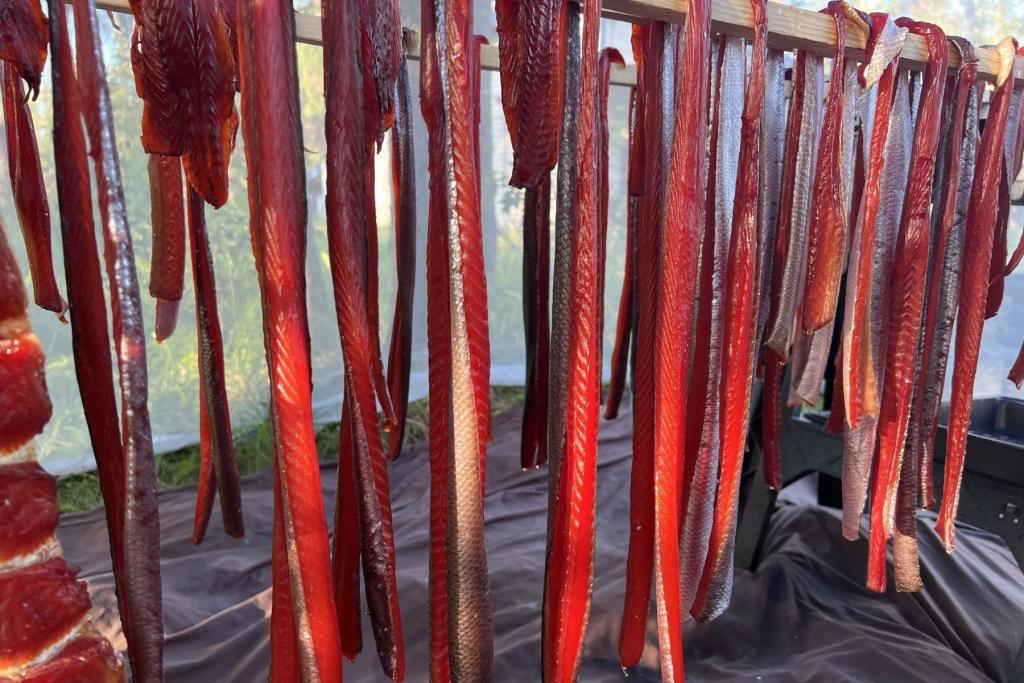
When harvesting an animal or fish, it is important to realize an agreement has been made between the hunter and the hunted. In many Alaskan Native stories, wildlife are our peers, teachers, and ancestors. They come to us with lessons on how to nourish ourselves and communities, and they impart wisdom on how to live well. So, when an animal or fish has been harvested, it is because their spirit acknowledges and is ready to provide for the hunter and their community. When an animal or fish allows itself to be harvested, its spirit understands that in its death, it is giving life. Every Alaska Native cultural region has their own way and prayer to thank the harvested, whether that be a ceremony for the first caught salmon or a prayer spoken over an animal to thank them and Creator for taking care of our families. We honor the gifts given to us, and with that in mind, we use every part of the harvest possible.
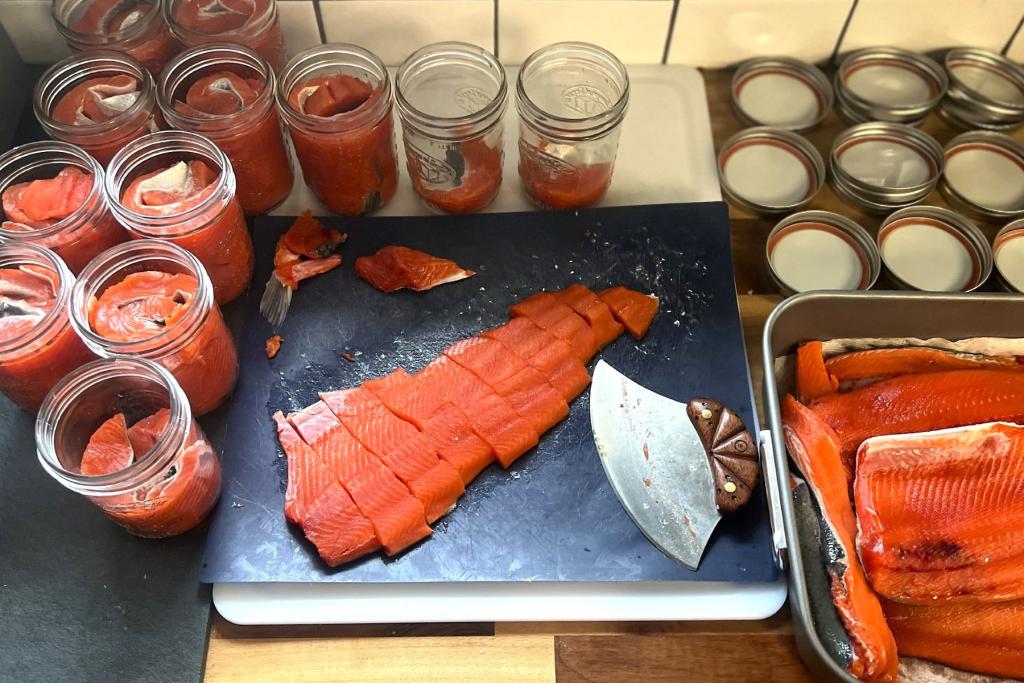
In Alaska, you’ll often hear people talking about filling the freezers before winter. Some people joke about it, but it’s the truth. It is crucial to so many communities to have full freezers, because groceries are often limited in remote areas and prices are extremely expensive. Being able to harvest our own food makes an astronomical difference. In addition to being crucial for survival, it is a true luxury to be able to gather our own food, choose how it is processed, and know exactly where it came from. It provides a sense of self-sufficiency while simultaneously bringing people together, and we bond and rely on one another to see the work through. Fishing, hunting, and foraging are often done as a family or community. It is no small feat to process a moose or caribou, and the same can be said about processing salmon or preparing wild berries to store for the winter. It truly takes a whole village to carry out these tasks, and it provides for one as well. During these moments of harvest and process, there are many laughs, moments of reconciliation, and generational stories and skills passed down.

I feel my best when eating wild game, fish, and berries. My body and soul crave wild food, and at this point in my life it feels unnegotiable to not have it. I grew up eating moose, salmon, and many other Native Alaskan foods, but I didn’t realize how crucial these foods were to my health and happiness until I didn’t have full access to them anymore. I was living out of state in my early 20’s for a while, and I became anemic. After reflecting on what changed, I realized I was no longer eating my cultural foods, and it took a toll on me. Even now, when I travel out of state, I can tell the difference in my mood and energy levels. I have to be mindful to ensure I’m getting all the nutritional values that wild harvested food offers. A lot of effort goes into harvesting our own food, but we’ve lost so much nutritional value with the rise of convenient food sources that the energy spent is well worth it. I understand and acknowledge that not everyone has the opportunity or resources to gather their own food for themselves, but it is important to remember this is a traditional way of life that should not be demonized.
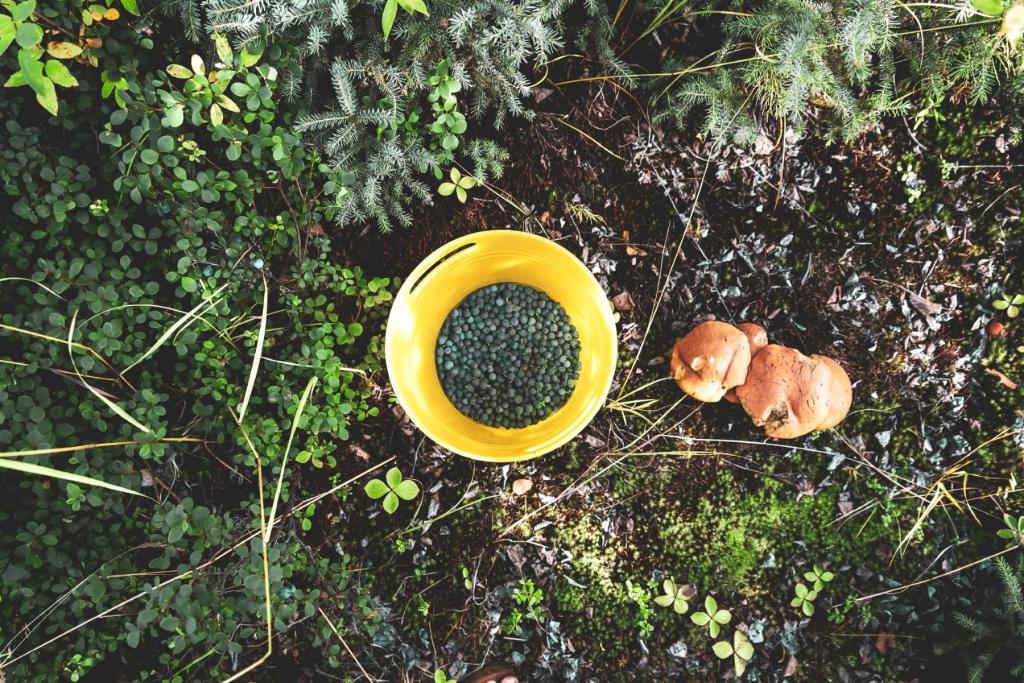
A subsistence lifestyle offers endless beauty and fulfillment. Harvesting my first animal and many moments of fishing with friends and family has taught me patience, endurance, and the ability to silence my mind; it has given me a strong sense of self and appreciation for the food filling my freezer. With every berry I pick, hunting story I hear, and smoked salmon strip I eat, I remember and connect to my ancestors and relish in the fact that times have changed, but in many ways, they remain the same. I’m proud to continue the ways of my people and feel honored to continue to care for the land–letting each life force I encounter teach me the ebbs and flow of life and strengthen me with every season.


New! Alaska Native Culture Guide
Immerse yourself in Alaska Native heritage and learn how to experience the living culture of the state's Indigenous peoples.