

Alaska Weather by Month
Alaska’s massive and diverse landscape means that weather conditions vary significantly across the state. The three major cities — Fairbanks in the Interior, Anchorage in Southcentral, and Juneau in the Inside Passage — each experience seasonal patterns unique to their locations. Anchorage offers a balanced mix of winter and summer conditions, Fairbanks experiences extreme cold and brilliant summers, and Juneau has a milder, wetter climate due to its location in a temperate rainforest.
Whether you’re visiting for winter adventures or summer’s endless daylight, understanding the weather by month can help you plan your perfect trip. Here’s a month-by-month breakdown of average temperatures, daylight hours, and seasonal trends for these popular destinations. Please note that all temperatures below are in Fahrenheit.
January
January is the heart of winter in Alaska, with frequent snow, cold temperatures, and minimal daylight. Anchorage sees average lows of 9 degrees Fahrenheit and highs of 23 degrees, with about five to six hours of daylight. Fairbanks is even colder, with lows of -17 degrees and highs of 1 degree, with a little under four hours of daylight. Juneau is a bit warmer, with lows around 25 degrees and highs of 34 degrees. During this month, it’s common for Fairbanks to experience deeper winter conditions than both Anchorage and Juneau. January is a prime month for winter activities and northern lights viewing.
February
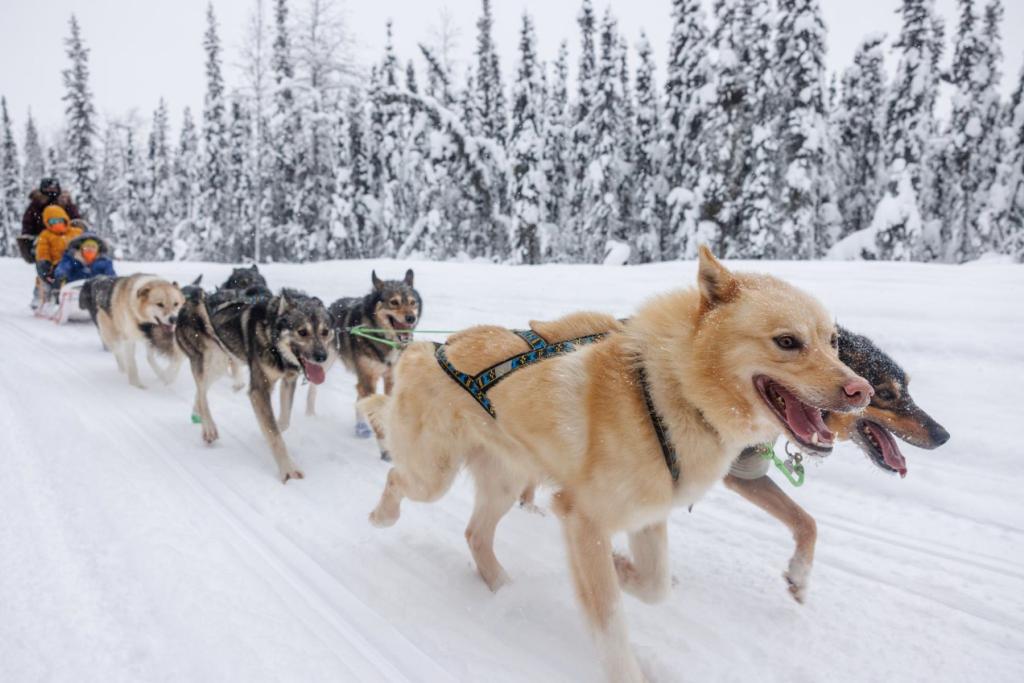
Temperatures in February remain cold enough for snow to accumulate, but slowly start to rise throughout the month. Anchorage averages between 12 and 26 degrees, while Fairbanks remains chilly with lows around -13 degrees and highs near 8 degrees. Juneau’s temperatures fluctuate between 26 and 37 degrees. As we begin to move further into the year, the amount of daylight increases, with Fairbanks gaining an additional two hours.

March
March marks the beginning of the transition from winter to early spring. Anchorage experiences lows of around 18 degrees and highs near 34 degrees, while Fairbanks ranges from -3 to 23 degrees. Juneau experiences temperatures between 29 and 42 degrees. Daylight extends to over 11 hours in Anchorage and nearly 12 hours in Fairbanks. While snow is still common in all three areas, longer days provide more time for outdoor activities.

April
April brings warmer temperatures, with Anchorage experiencing lows of 30 degrees and highs around 45 degrees. Fairbanks sees lows of 16 degrees and highs near 41 degrees, while Juneau’s temperatures range from 35 to 50 degrees. Snow begins to melt, especially in Juneau, and daylight extends past 14 hours. While it’s typically warmer during the day, it’s still remains cold at night.

May
Spring arrives in full force in May, with Anchorage seeing temperatures between 40 and 55 degrees. Fairbanks warms up significantly, with lows around 36 degrees and highs around 61 degrees Fahrenheit. Juneau experiences mild weather, similar to April, with temperatures ranging from 42 to 56 degrees. Daylight can reach up to 18 hours in Fairbanks during this month.

June
June brings the summer solstice and almost 24 hours of daylight in Fairbanks! Temperatures are much warmer, with Anchorage ranging from 48 to 62 degrees, Fairbanks from 51 to 72 degrees, and Juneau from 48 to 61 degrees. The “Midnight Sun” allows for endless outdoor activities, from late-night golfing to after-dinner hikes.

July
July is the warmest month in Alaska. Anchorage enjoys temperatures between 52 and 66 degrees, Fairbanks sees average highs reaching 75 degrees (though it can get up into the 80s and sometimes even the low 90s), and Juneau experiences temperatures ranging from 52 to 63 degrees. This is a peak season for travelers, as there is plenty of sunshine and clear skies.

August
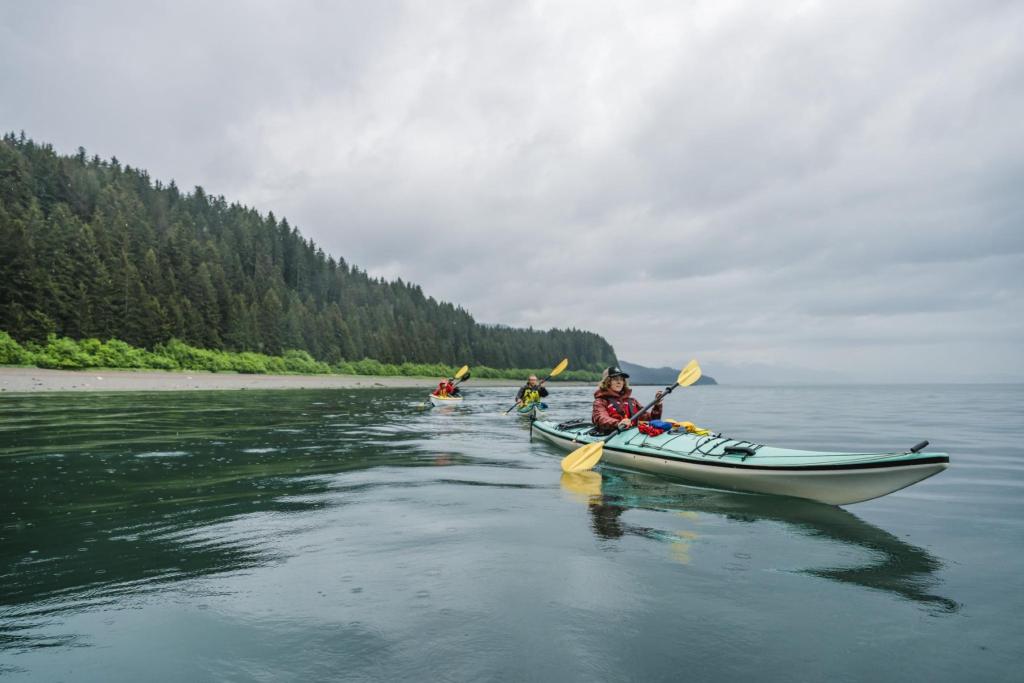
Temperatures begin to cool in August, with Anchorage ranging from 50 to 63 degrees, Fairbanks from 48 to 67 degrees, and Juneau from 50 to 60 degrees Fahrenheit. As summer starts to wind down, daylight hours begin to shorten, with all three destinations seeing around 14-15 hours of daylight. Additionally, rain becomes more common and the first signs of fall appear near the end of the month.
September
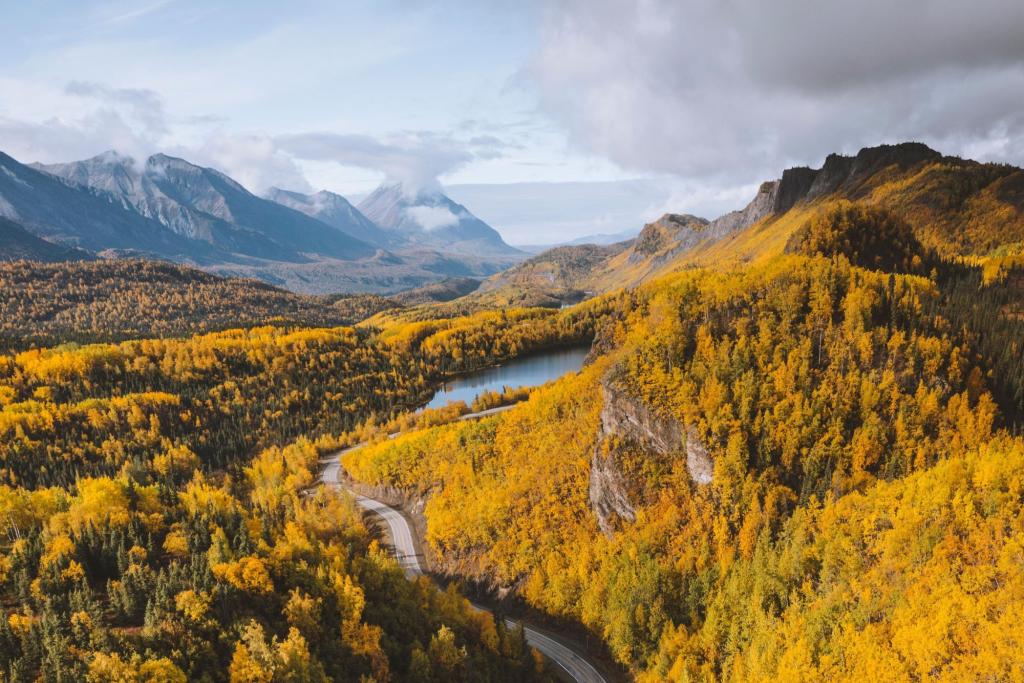
Fall arrives in September, bringing cooler temperatures and colorful foliage. Anchorage experiences temperatures from 41 to 55 degrees, Fairbanks from 36 to 55 degrees, and Juneau from 44 to 55 degrees. Rainy days continue, particularly in Juneau. In Fairbanks, the first frost usually occurs, and daylight drops to around 12 hours.
October
October marks the return of colder temperatures, with Anchorage ranging from 28 to 44 degrees, Fairbanks from 18 to 35 degrees, and Juneau from 3 to 48 degrees. Daylight hours continue to decrease to about eight to nine hours, with the shorter days signifying the peak of fall. During this month, the weather can sometimes be a bit unpredictable with some places experiencing a mix of rain and snow.

November
Winter typically settles in by November. Anchorage sees temperatures between 17 and 31 degrees, Fairbanks from -3 to 14 degrees, and Juneau from 29 to 40 degrees. Snow starts to pick up and daylight continues to shorten, with Fairbanks seeing under seven hours by the end of the month.
December
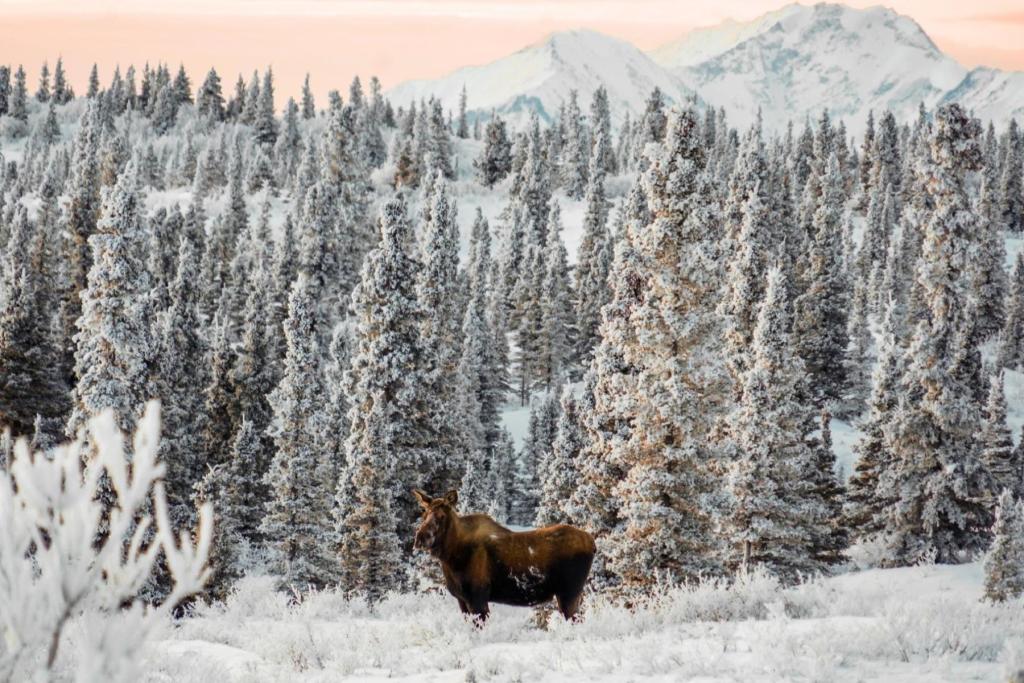
December is one of the darkest months throughout the state, with the winter solstice occurring late in the month. Anchorage sees just over five hours of daylight and Fairbanks under four hours. Temperatures range from 11 to 24 degrees in Anchorage, -13 to 3 degrees in Fairbanks, and 25 to 36 degrees in Juneau. Snowfall is common, with Anchorage typically seeing around 10-14 inches of snow and Fairbanks averaging around 8-12 inches.

Alaska: AKA Your Next Adventure
Where will your Alaska adventure take you? Order our Official State of Alaska Vacation Planner and plot your course.