

How to Visit Glacier Bay National Park on Your Own
Nestled in the northern crook of Alaska’s Inside Passage region, Glacier Bay National Park & Preserve is a wild coastal landscape full of glowing blue tidewater glaciers calving into the sea. The Indigenous land of the Tlingit, Glacier Bay’s waters and lush temperate rainforest are also home to marine and land mammals, and visitors are routinely rewarded with views of whales, bears, and glaciers, often all in a single day or hour.
Glacier Bay is a popular destination on multi-day Alaska cruise itineraries, and the vast majority of visitors to the Park arrive by cruise. Passengers stay onboard the cruise ship as it explores the area’s fjords and glaciers. If you're interested in diving deeper and visiting Glacier Bay on your own, exploring the park independently allows for a uniquely rewarding and immersive experience. Visiting on your own or with a small tour gives you a chance to stay overnight, explore at an unhurried pace, and experience Glacier Bay up close and beyond a single sightseeing window. Below are some options for planning an independent trip into this magical and abundant ecosystem.
Gustavus
The small community of Gustavus is considered the gateway to Glacier Bay, as it sits just outside the Park’s entrance. It’s a great jumping-off point, and if you prefer a relaxed pace of travel or want to balance your time between the park and the community, Gustavus makes a comfortable base. You’ll find a small selection of boutique lodges, inns, and B&Bs, along with a handful of local restaurants.
There are no roads connecting Gustavus to the rest of Alaska, so you’ll arrive by plane or seasonal ferry. Flights run regularly from Juneau, and summer service is available from Anchorage and occasionally Seattle. The Alaska Marine Highway ferry also connects Juneau, and other Southeast Alaska communities, with Gustavus in summer.

Bartlett Cove and Glacier Bay Lodge
Bartlett Cove is another good base for independent travelers, thanks to its in-park location as well as the Glacier Bay Lodge. The Lodge sits just inside the park boundary, nestled among towering spruce and hemlock with sweeping views across the cove. This is the only lodging inside the Park, and staying here allows you to explore the park without needing to drive anywhere. In the quiet hours before or after the day tour boat returns, the cove feels especially serene. Keep an eye on the water and you may catch harbor porpoises, sea otters, or humpbacks feeding offshore.
If you stay multiple nights, the lodge offers more than just a place to rest. A network of short hiking trails begins on the shoreline and winds into temperate rainforest. The Bartlett River Trail follows the cove inland to the river mouth, and the Forest Loop Trail offers a mellow introduction to moss-coated spruce and giant nurse logs. Along the beach and in the Huna Tribal House you’ll find interpretive signs that tell the human story of the Huna Tlingit, whose ancestral homeland lies here. On many evenings, rangers host talks in the visitor center.

Day Boat Tours
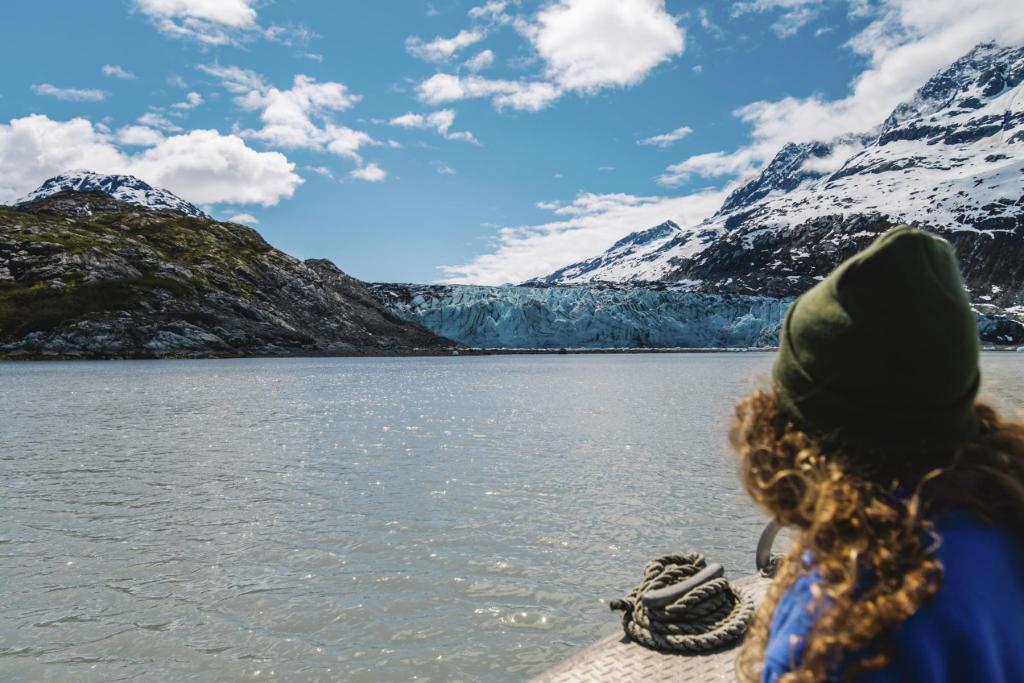
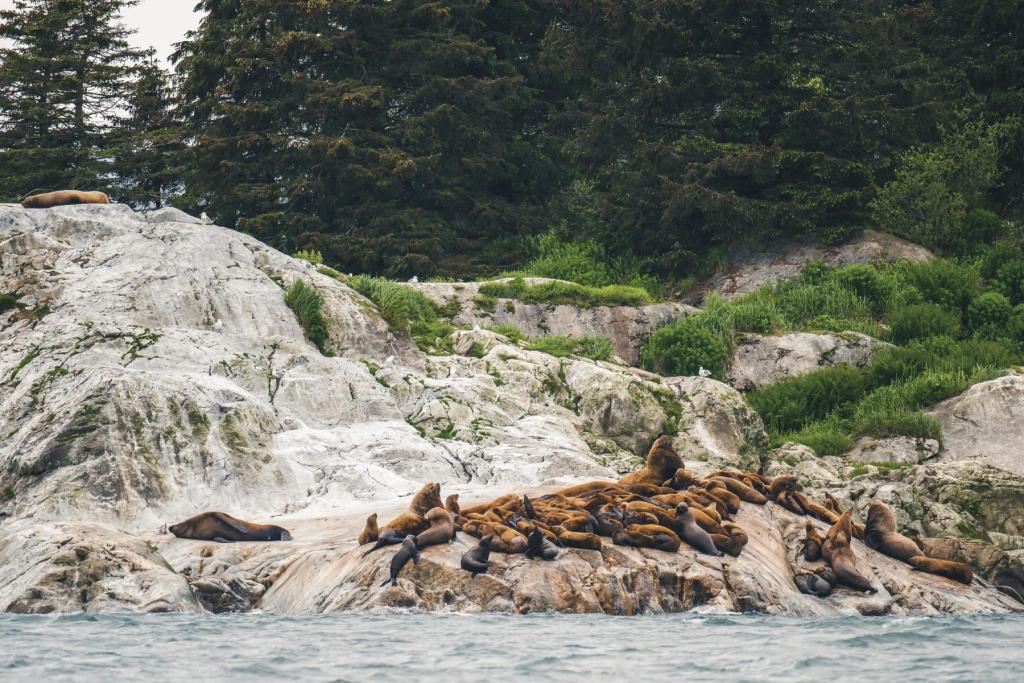
No matter where you stay, the most popular, and arguably most accessible, way for an independent traveler to experience Glacier Bay is by joining the ranger-led, full-day tour boat that departs from Bartlett Cove. The route travels deep into the Bay’s fjord system, passing seal haul-outs, seabird colonies, and the tidewater glaciers that define the park. National Park Service naturalists narrate along the way, and there’s ample time on the open decks for photography and wildlife watching. It’s a seven- to eight-hour day, but it’s the most efficient way to see the heart of the landscape and understand the scale of the ice.
Kayaking
Kayaking is another way to explore the quieter edges of the park. You can rent kayaks in Bartlett Cove and paddle protected water along the shoreline, keeping an eye out for otters, loons, and black bears foraging in the intertidal zone. More experienced paddlers can arrange a boat drop further inside the park to explore remote inlets and beaches. Conditions can change quickly, and icebergs behave unpredictably in tidal water, so good planning and a conservative approach are essential. Independent kayak rentals and guided kayak trips are available both in Gustavus and Bartlett Cove.
Camping in Glacier Bay
If you’re comfortable with backcountry camping, Glacier Bay offers the opportunity to sleep right on the edge of the water with nothing between you and the sound of a calving glacier except distance. A permit is required for backcountry camping, and you must demonstrate knowledge of bear-safe food storage and tide awareness. The Park’s visitor center provides information and required gear such as bear canisters. Campsites are not designated; you’ll find your own landing points on beaches above the high-tide line. It’s a true wilderness experience.

Planning & Best Time to Visit
An independent trip to Glacier Bay comes with a few logistics worth keeping in mind. Cell service is limited to nonexistent, and Wi-Fi is available only at some lodges and inns in the area. Food options in Gustavus are seasonal and limited, so reservations are recommended. If you’re packing your own meals, stock up in Juneau before arrival. Weather shifts fast, and even midsummer can bring rain, wind, and cold temperatures. Layers and waterproof jackets are essential whether you plan to hike the shore trails or sit on the day-boat deck watching the glaciers peel into the water.
The best time to visit is late May through early September. June and July are known for long daylight hours and excellent whale activity; August and early September often bring clearer skies and fewer visitors. Accommodations, kayaks, ferry seats, and day-boat tickets can sell out months ahead of time, so book early. Build flexibility into your travel days on either side of the trip in case weather affects flights or ferries.
Alaska: AKA Your Next Adventure
Where will your Alaska adventure take you? Order our Official State of Alaska Vacation Planner and plot your course.