
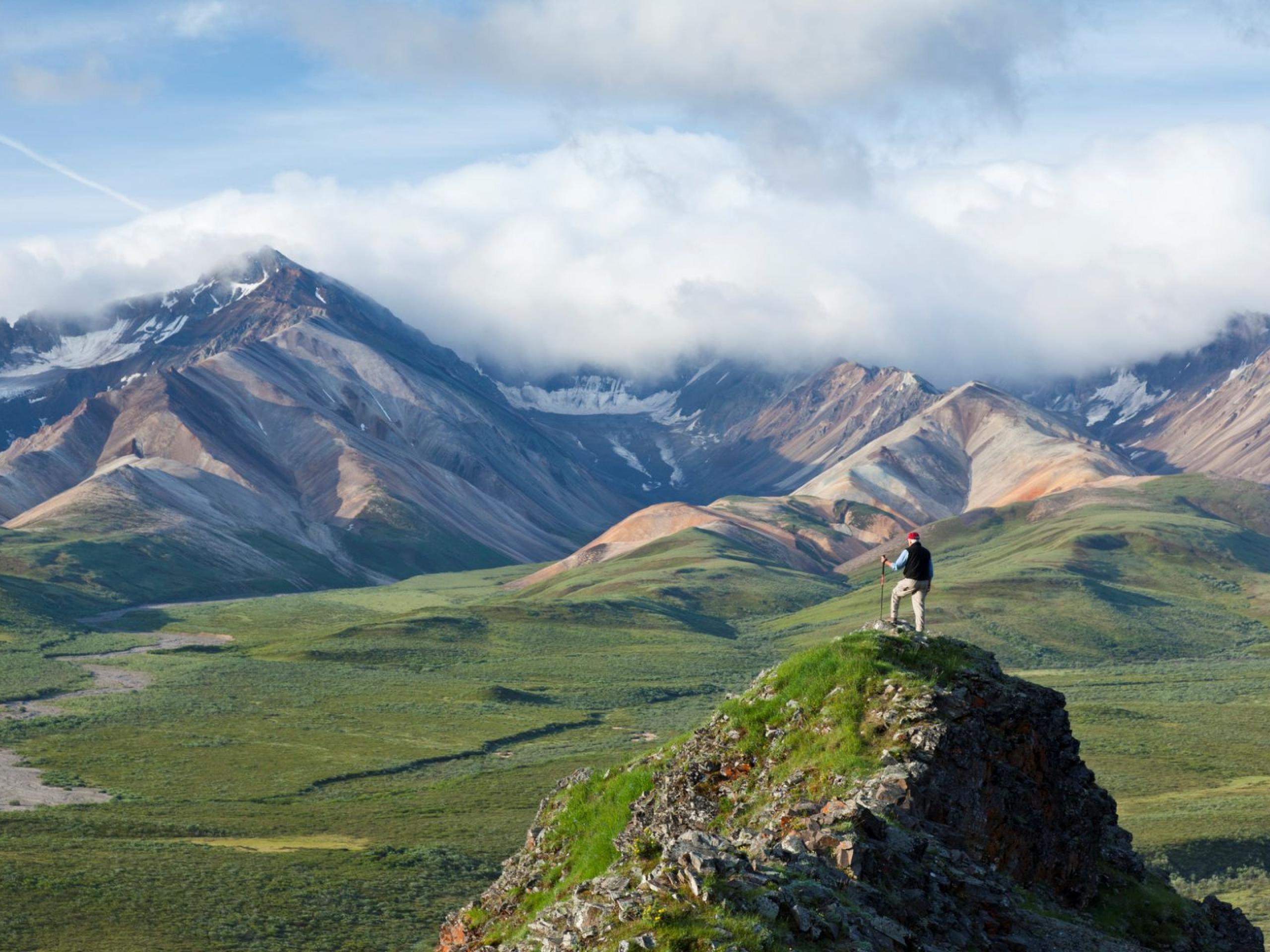
Hiking in Alaska’s National Parks
Each of Alaska’s eight national parks offers a variety of hiking experiences. Trails range from short, family-friendly walks to trail-free wilderness routes deep in the backcountry. Whether you prefer to hike straight from the parking lot or reach a remote destination by boat, plane, or train, Alaska’s national parks offer hiking adventures to match every travel style.
Hiking in Alaska’s national parks requires a bit of preparation. Weather can change quickly, trails may be unmaintained or nonexistent, and wildlife encounters, particularly with bears, are possible. Visitors should carry appropriate gear, including layers, navigation and communication tools, and bear spray, and always check current conditions with park rangers before heading out. Choosing hikes that match your experience level, time constraints, and comfort with remoteness is key to a safe and rewarding adventure.
Denali National Park and Preserve
Denali is well suited for travelers arriving without a rental car, with access by train, plane, or shuttle bus. Front-country and family-friendly hikes include the Horseshoe Lake Trail, a two-mile loop around a lake in forested terrain, and the McKinley Station Trail (1.6 miles one-way) which descends from the visitor center toward Hines and Riley Creeks and passes beneath the Alaska Railroad trestle. The two-mile Savage River Loop, accessible by the free Savage River Shuttle, offers a gentle walk with river and mountain views.
For those seeking more challenge, the Mount Healy Overlook Trail (2.7 miles one-way) climbs steeply from forest to alpine terrain, rewarding hikers with potential views of Denali on clear days. The Savage Alpine Trail (4 miles one-way) provides a longer, more demanding route through tundra and open ridgelines.
Denali is also known for its trail-free hiking. Experienced hikers can access the backcountry via the park’s transit buses, but strong navigation skills, careful preparation, and strict Leave No Trace practices are essential.

Glacier Bay National Park and Preserve
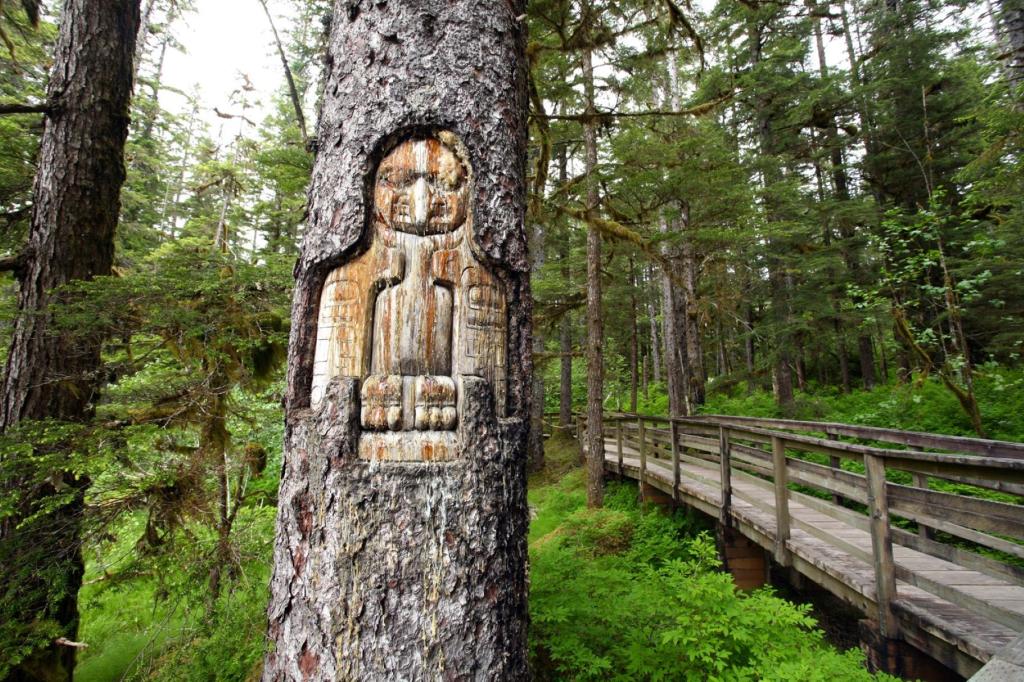
Glacier Bay is reached by boat or plane and offers a different hiking experience centered around Bartlett Cove. Near the cove, visitors can explore shoreline walks and short rainforest trails, such as the Forest Trail (1-mile loop), Bartlett River Trail (4-miles round-trip), and Bartlett Lake Trail (8 miles round-trip). Ranger-led walks and interpretive programs provide insight into the area’s natural and cultural history. Wildlife sightings along the beach may include coyotes, moose, bears, and river otters. Later in the summer, salmon run up Bartlett River, attracting hungry harbor seals.
Beyond Bartlett Cove, the shoreline is ideal for easy wandering or longer beach walks, with experienced hikers able to continue all the way to Point Gustavus, a six-miles-one-way hike best done as a full day. Low tide reveals tide pools along the shore, birdlife is abundant, and you may spot humpback whales and sea otters. As with all coastal hiking here, careful tide planning and readiness for changing weather are essential.
Kenai Fjords National Park
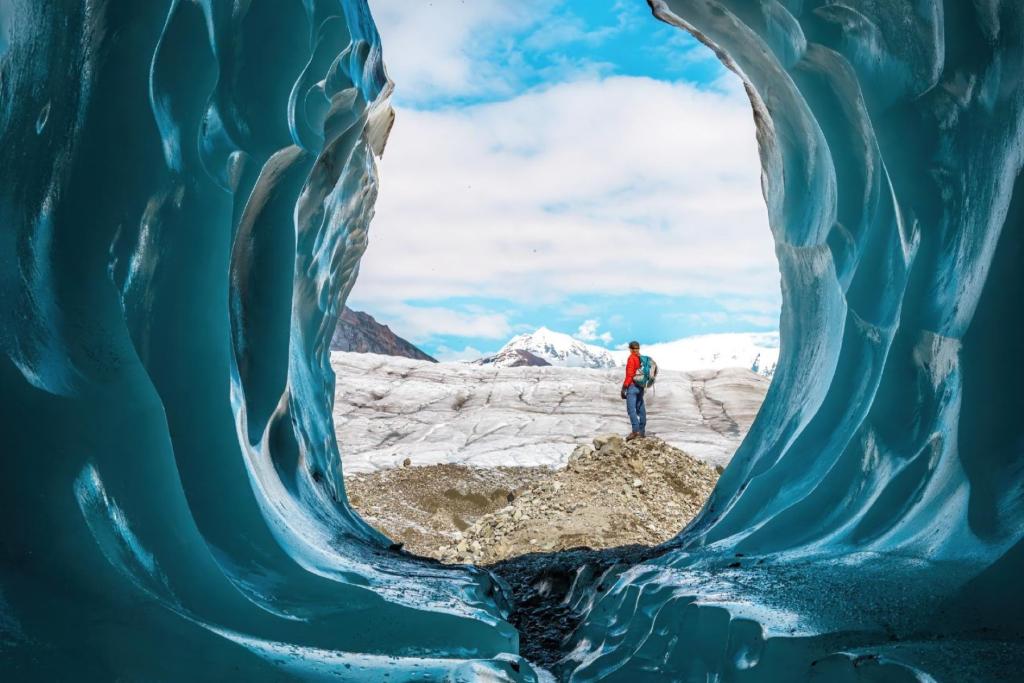
Kenai Fjords is accessible by train, boat, car, or plane, with many hikers focusing on the Exit Glacier area. The Exit Glacier Overlook Trail is an easy, educational walk with signage marking the glacier’s dramatic retreat throughout the decades. For a more strenuous outing, the Harding Icefield Trail climbs steadily for more than eight miles round-trip, offering sweeping views of the vast icefield that feeds dozens of glaciers.
Backcountry hiking in Kenai Fjords often involves water taxis or kayaks to reach remote starting points. Conditions can change quickly, and hikers should avoid landing on beaches within two miles of tidewater glaciers due to calving hazards.

Wrangell-St. Elias National Park and Preserve
Accessible by car, shuttle, or plane, Wrangell-St. Elias, the largest national park in the United States, offers a wide range of hiking opportunities. One of the park’s most popular hikes is the Root Glacier Trail, a four-mile round-trip route near Kennicott. While the trail itself is straightforward, stepping onto the glacier requires proper equipment and experience, and guided trips are strongly recommended.
For strenuous hikes with spectacular valley and glacier views, along with historic mining remnants, tackle the steep trails to the Bonanza Mine (9 miles round trip), Jumbo Mine (10 miles round trip), or Erie Mine (8 miles round trip).
Road-accessible hikes along the Nabesna and McCarthy Roads provide a different perspective on the park. The Caribou Creek Trail (mile 19.5 of Nabesna Road, 6 miles round trip) follows an old mining route through tundra and creek crossings. The Skookum Volcano Trail (mile 36.8 of Nabesna Road, 2.5 miles one way) climbs onto a lava flow, offering a hands-on look at the park’s volcanic geology. The Crystalline Hills Trail (mile 34.8 of the McCarthy Road, 2.5-mile loop) is a relatively short hike with big mountain views.
Experienced hikers can venture out on multi-day wilderness routes. One classic option is Nikolai Pass, a roughly 15-mile one-way route that begins with a bush plane drop-off at the pass and ends in McCarthy. The hike traverses high alpine terrain and broad valleys. Another iconic route is the Fosse to Kennicott traverse. Hikers charter a flight to the remote Fosse airstrip on the far side of the Kennicott Glacier, spend time exploring the area, and then walk back to Kennicott on the glacier.
Katmai National Park and Preserve
Katmai is reached by plane or boat and is best known for its dense brown bear population. Day hikers can tackle Dumpling Mountain, a four-mile, one-way climb that rewards the effort with sweeping views of Naknek Lake, Brooks River, and Lake Brooks. Because Katmai National Park is one of the highest-density brown bear habitats in the world, visitors must follow specific travel protocols and remain alert at all times. Hikers are encouraged to travel in groups and make noise to avoid surprising bears. Visitors to the Brooks Camp area are required to complete Bear School on arrival to learn about bear safety. Rangers may temporarily restrict access if bears are feeding or moving through the area.
Backcountry hikers can explore the Valley of Ten Thousand Smokes, a dramatic volcanic landscape accessible via bus tour into the valley. No permits are necessary to camp in Katmai's backcountry.

Lake Clark National Park and Preserve
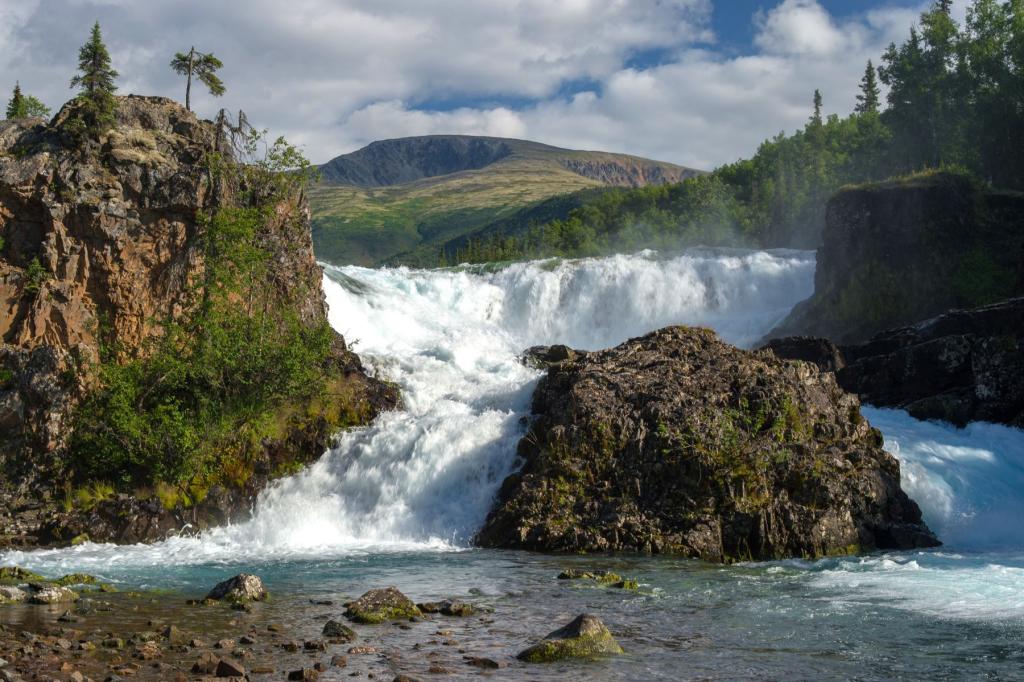
Lake Clark is accessed by plane or boat and combines rugged mountains with clear lakes and coastal scenery. Popular day hikes include the Tanalian Falls Trail, a four-mile round-trip walk to a scenic waterfall, and Tanalian Mountain, a challenging climb 8.6 miles round trip with sweeping views of Lake Clark and the surrounding peaks.
Backcountry routes, such as the 10-mile Upper to Lower Twin Lakes Route, require floatplane drop-offs and pickups and pass through terrain made famous by Richard Proenneke’s legacy of self-reliance.
Gates of the Arctic National Park and Preserve
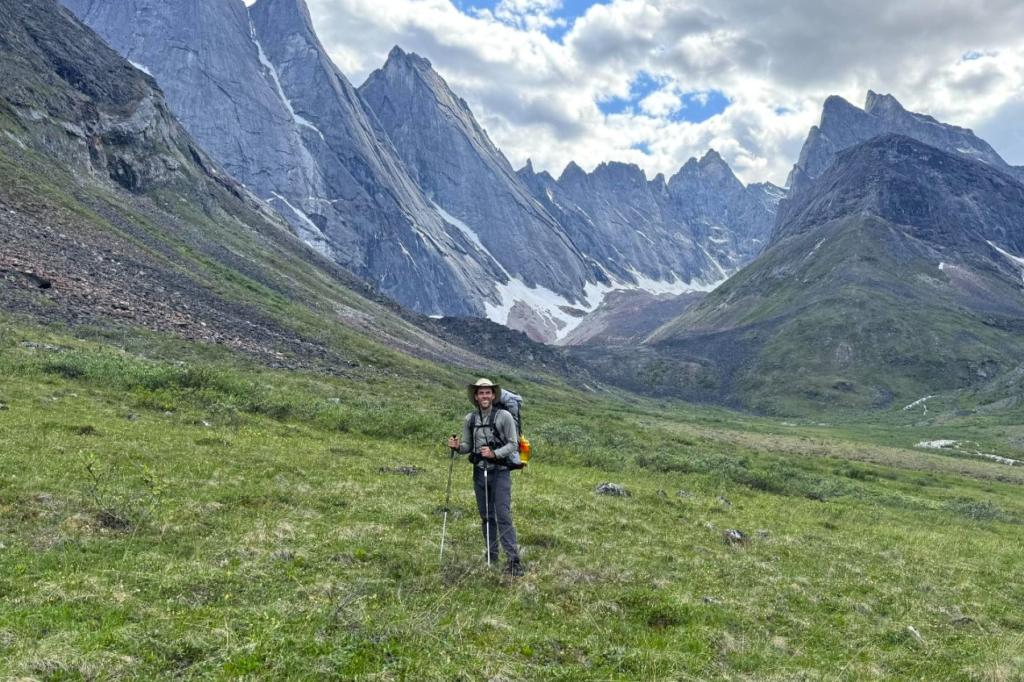
Gates of the Arctic is accessible only by bush plane and was designated as a trail-less wilderness area by Congress, but hikers can follow “game trails” established by wildlife. The park offers wide river valleys, tundra-covered slopes, and sharp mountain ridgelines of the Brooks Range. There are many rivers, so hikers need to prepare for multiple river crossings through frigid water. Route-finding and complete self-sufficiency skills are essential. For those with the skills and experience, this park offers a rare opportunity to travel through vast, roadless landscapes.
Kobuk Valley National Park
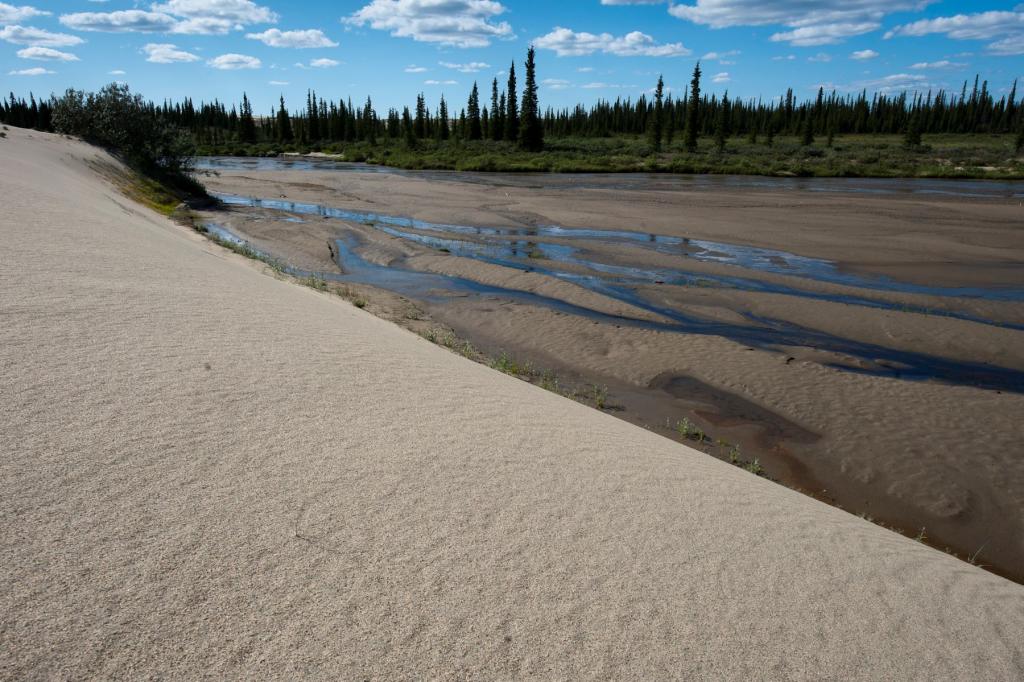
Also reached by plane, Kobuk Valley features the Great Kobuk Sand Dunes rising above Arctic tundra, which is an unusual hiking landscape for Alaska. With no established routes, hiking here involves open tundra travel and navigation across rolling terrain. Onion Portage on the Kobuk River is another popular destination, especially around Labor Day, when caribou are often seen swimming the river during their southbound migration. Before starting your trek, stop by the Northwest Arctic Heritage Center in Kotzebue to visit the museum and talk to a ranger.
From gentle riverside walks to remote backcountry routes, Alaska’s national parks allow hikers to shape experiences that feel both achievable and deeply memorable. With thoughtful planning, respect for the landscape, and an honest assessment of your skills, exploring these parks on foot offers a powerful way to connect with Alaska’s diverse regions and landscapes.

Alaska: AKA Your Next Adventure
Where will your Alaska adventure take you? Order our Official State of Alaska Vacation Planner and plot your course.