

Best Places to See the Northern Lights in Alaska
From mid-August through mid-April (a.k.a. northern lights season), Alaska basks in the glow of the aurora borealis - treating visitors and locals alike with ethereal sightings of aurora activity. If northern lights viewing is on your life list, Alaska is the place to go, offering the highest probability of any state in the U.S. to experience the aurora thanks to our northern location. The aurora is one of Alaska’s most spectacular and popular sightseeing events, with the highest chances of viewing in the Interior, Arctic, and Southcentral regions of Alaska.
Northern lights tours are a great option for visitors who want local experts to take the guesswork out of tracking Alaska's aurora activity. On these tours, guides will lead you to the top northern lights viewing destinations in the state and provide amenities like transportation, warming huts, viewing and photography tips, and more. However, if you prefer to be an independent aurora chaser, or you aren’t able to fit in a northern lights tour in your itinerary, you can still catch the lights on your own. You can maximize your chances by paying close attention to northern lights trackers (more on that below). Having your own vehicle is helpful to get away from ambient city lights, but you don’t have to travel too far to reach some of the top spots.
Here are some of the best places to see the northern lights in Alaska:
Fairbanks
Sitting directly under the auroral oval, Fairbanks, Alaska offers some of the best northern lights viewing in the world. High aurora activity, minimal light pollution, and clear dark winter skies create the perfect canvas for viewing.
Chena Hot Springs Resort, located 60 miles (about a 90-minute drive) east of Fairbanks, offers the unique opportunity for northern lights viewing while soaking in the resort’s natural hot springs pools.
Chena Lake Recreation Area, just 20 miles (30 minutes) southeast of town, is a popular destination for both ice fishing and aurora viewing in winter. Heading 20 miles north from town along the Steese Highway, Clearly Summit is a popular destination for aurora viewing, along with Murphy Dome about 25 miles northwest of town.
Fairbanks and the surrounding area are host to a wide variety of northern lights-focused accommodations that are situated in excellent locations and customized for aurora viewing. Cabins and lodges with floor-to-ceiling windows, igloos with glass-dome ceilings, heated viewing areas, and viewing decks mean that you don’t need to leave the property (and sometimes you don’t even need to leave your room!) to view the lights.

Coldfoot & Wiseman
While Alaska’s Arctic region has fewer accommodations and visitor services than other regions of the state, independent travelers who like to go off-the-beaten-track will find excellent northern lights viewing opportunities. The small communities of Coldfoot and Wiseman are located on the Dalton Highway above the Arctic Circle, approximately 250 miles north of Fairbanks, and are excellent bases for a few days of northern lights viewing thanks to their location under the auroral oval, lack of city lights, and probability of clear skies. Here you’ll find a handful of unique accommodations that offer northern lights viewing excursions from their properties.

Denali National Park
Thanks to the lack of light pollution and lots of panoramic mountain scenery, Denali National Park is an especially scenic spot for aurora viewing in Alaska. Denali National Park in winter is much different than the peak summer months: most of the park’s visitor services are closed in winter, including the hotels near the park entrance and the majority of the Park Road. However, you can still visit the Winter Visitor Center and enjoy winter recreation on the frontcountry trails. If you’re dreaming of northern lights viewing in Denai National Park, base yourself for a couple of nights in Healy, located about 20 minutes north of the park entrance. Here you’ll find the majority of the area’s year-round accommodations, plus guides that lead northern lights tours in the Denali area.

Anchorage
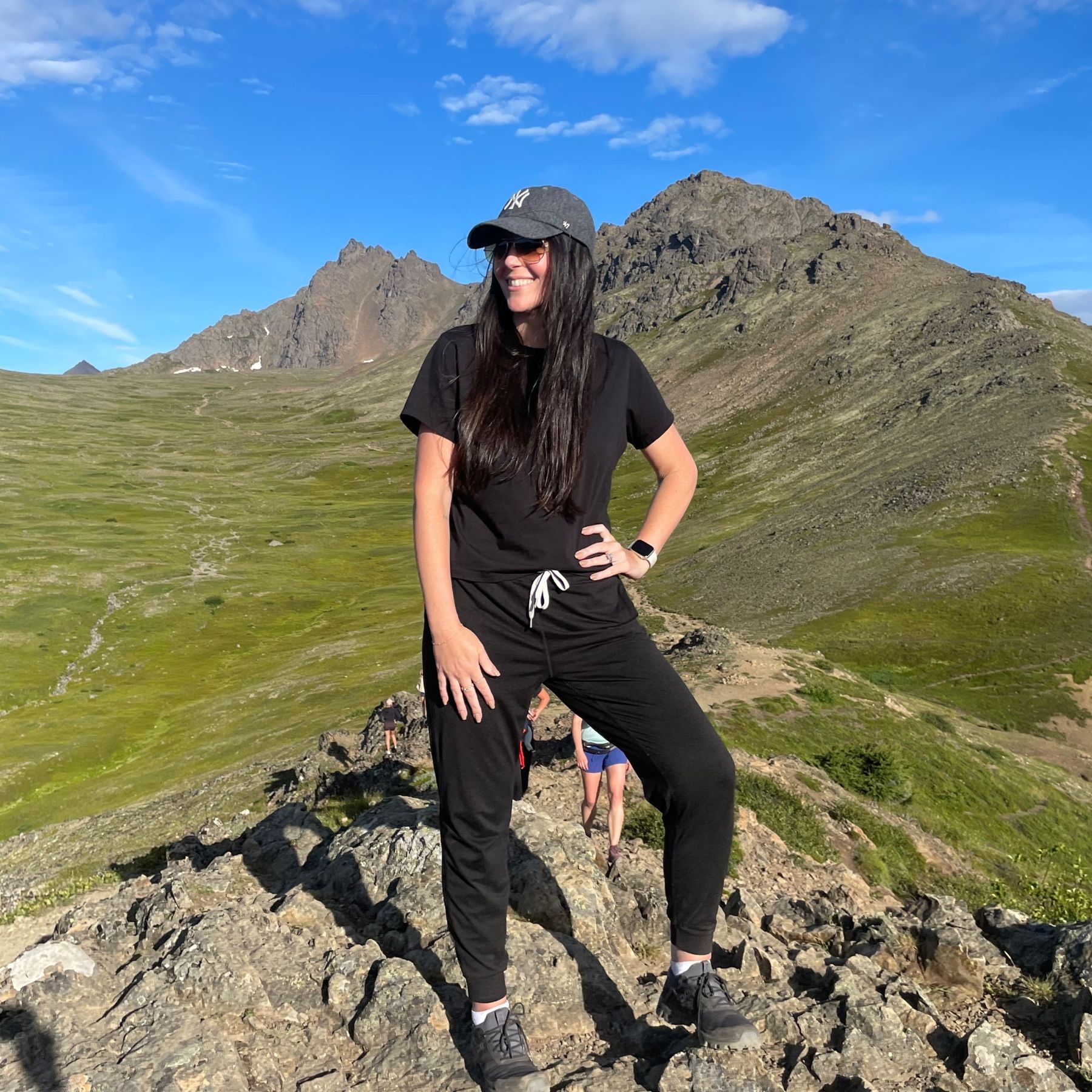
While cloud cover from the coast can make northern lights viewing in Anchorage and the surrounding area less common than the Interior, when the skies are clear and the conditions are right, the largest city in Alaska basks under the glow of the northern lights. For those staying in Anchorage, there are several locations located at the edge of town with expansive views that are ideal for catching the lights. Popular viewing locations in town include the Glen Alps Trailhead, a mountain trailhead with ample parking and a panoramic viewpoint just 20 minutes from downtown, and Point Woronzof, a coastal viewing area with great northern exposure along the coast of Cook Inlet, just a few minutes from the Anchorage International Airport.
Going south about 20 miles on the Seward Highway is Beluga Point, a fantastic area to enjoy the aurora-lit skies set against a backdrop of the Turnagain Arm, along with Bird Point, another 15 miles south. From the ski town of Girdwood, 40 miles south of Anchorage, you can get 360-degree views of the lights from Moose Meadows.

Mat-Su Valley
One of the best places to see the aurora borealis in the Mat-Su Valley is the alpine paradise of Hatcher Pass, about 30 minutes from the town of Palmer. This stunning area is popular for recreation year-round, and known for its beautiful mountain scenery, trails, mining history, and more. While part of the road is closed during the winter due to snow, locals and visitors enjoy the stunning display of lights from the winter parking area below Independence Mine State Historical Park. With an elevation of about 3,500 feet, the views on a clear night include not only the aurora, but also mountain ranges and sweeping views over the Mat-Su Valley. From Anchorage, follow the Glenn Highway to Palmer-Fishhook Road, through to Hatcher Pass Road to Independence Mine State Historical Park.
Another popular area is the Knik River Valley, about 20 minutes south of Palmer and 40 minutes north of Anchorage. One particularly scenic spot is Eklutna Tailrace, located at the beginning of the Knik River Valley off the Old Glenn Highway. A few minutes north on the Glenn Highway is Palmer Hay Flats State Game Refuge where you can catch the lights from the wildlife viewing tower near Reflection Lake.
Heading north from Palmer, the quaint town of Talkeetna is another great spot for northern lights viewing due to the lack of ambient city light. Head to the Talkeetna Riverfront Park to see the lights dance over the Susitna River, or drive out to one of the many lakes or viewpoints along the Talkeetna Spur Road that offer expansive views of the night sky.

How to Find the Alaska Aurora Forecast
Take the guesswork out of the aurora with one of the many apps and websites specifically designed to help you track and read the aurora forecast. While the northern lights are often overhead, the chances of seeing differ depending on aurora activity and the weather. These helpful tools can help you plan your aurora viewing through multi-day forecasts, guiding you to the locations and dates with the highest chances of seeing the lights.
Check out these resources for tracking aurora activity and probability:
- Geophysical Institute of Alaska Aurora Forecast:
- Best overall statewide aurora forecast for current and future aurora activity
- 27 Day Activity Forecast
- Daily activity ranking and statewide activity map
- Three-day forecast with activity ranking on three-hour intervals
- Real-time sky camera
- Explore Fairbanks Aurora Tracker
- Best forecast for the Fairbanks area
- Aurora and weather forecast for six locations in the Fairbanks area
- Fairbanks Aurora Camera
- Live webcam showing the northern sky from University of Alaska Fairbanks
- NOAA Space Weather Prediction Center
- 30-minute predictor of global aurora activity and location
- Alaska weather forecast: Any forecast will do! Check the forecast for your area for information on cloud coverage. You need clear skies in order to see the aurora, so plan your aurora viewing around evenings with very low or no cloud coverage.
Additionally, when attempting to take photos with your phone, keep in mind that disabling flash, using Night Mode, and adjusting your exposure time (to 10-15 seconds) will best help you to capture the aurora’s ethereal dance. There are also specific camera apps like Northern Lights Photo Taker, ProCamera, Slow Shutter for iOS, and NightCap Camera that offer great tools for taking the perfect picture of the aurora! Or, join a northern lights photography tour to get tips and tools from the experts on how to capture the aurora.
Alaska: AKA Your Next Adventure
Where will your Alaska adventure take you? Order our Official State of Alaska Vacation Planner and plot your course.