
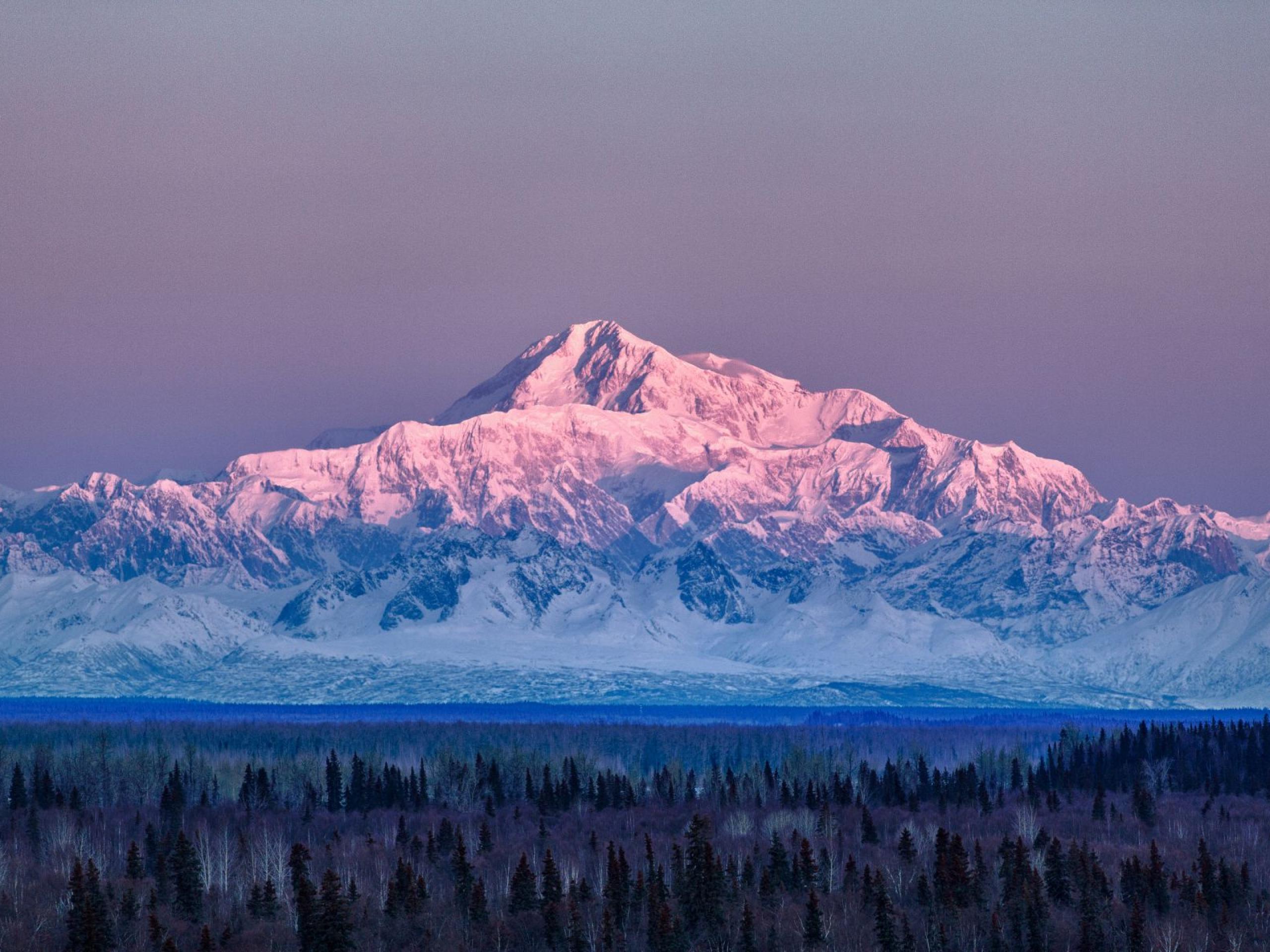
Visiting Denali National Park in Winter
Even when the days are short, the snow is deep, and the temperatures are frigid, winter offers a rare and rewarding experience in Denali National Park. Snow softens the landscape, crowds disappear, and the park feels vast and quiet. For travelers willing to plan carefully and embrace colder conditions, Denali in winter offers recreating in snow, aurora viewing, and quiet landscapes.
When to Visit Denali in Winter
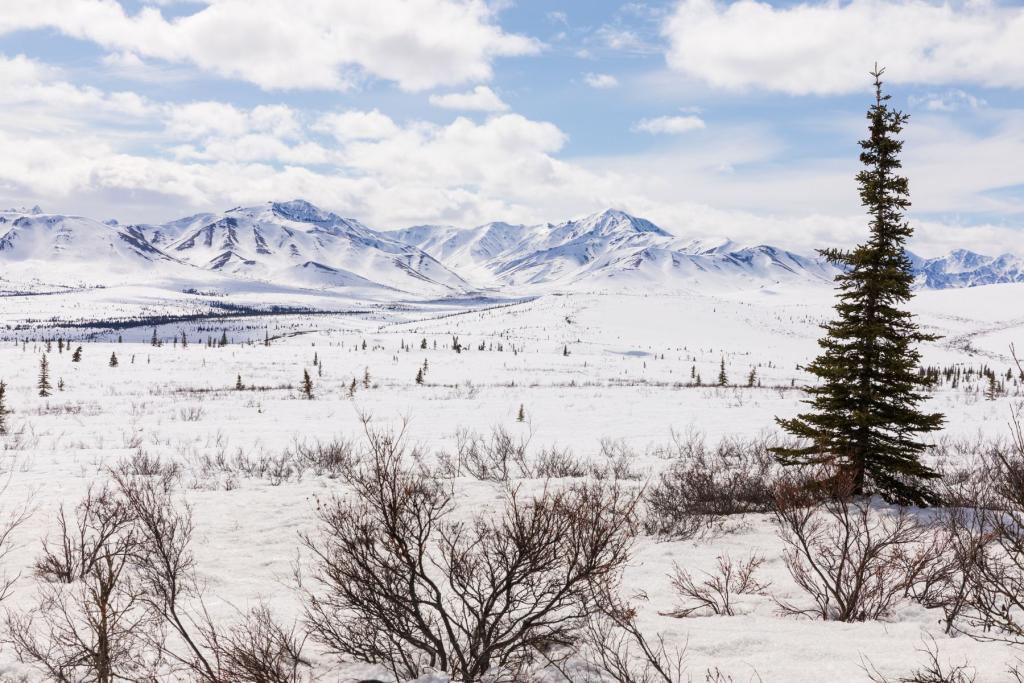
Winter in Denali typically spans from October through early April. Measurable snowfall begins as early as mid-September. The coldest temperatures and shortest days are in November to January. Winter conditions are most challenging during these months. February through April marks a gradual return of daylight and milder temperatures. By late February, days grow longer, winter recreation improves, and access along the Denali Park Road may extend as far as 13 miles, depending on conditions. Late winter is also a prime time for aurora viewing and seasonal events such as Denali Winterfest, typically held in late February.
Getting to Denali National Park in Winter
Winter travel to Denali requires flexibility, weather awareness, and careful planning. Driving conditions, daylight hours, and extreme cold can all affect travel plans. Always check weather forecasts and road conditions before departure, carry emergency supplies, and let someone know your travel plans. Cell service is limited once you leave communities near the park entrance.
By Car from Anchorage or Fairbanks
Driving is the most common way to reach Denali in winter. The Parks Highway connects Anchorage and Fairbanks to the park entrance, but winter driving conditions can include snow-packed roads, ice, blowing snow, and limited daylight. A winterized vehicle, good tires, and experience driving in winter conditions are essential.
In winter, the Denali Park Road is typically open to private vehicles for the first 3 miles. Access may extend farther in late fall and again starting in late March. Always check current conditions before heading out, as access can change quickly.
By Train
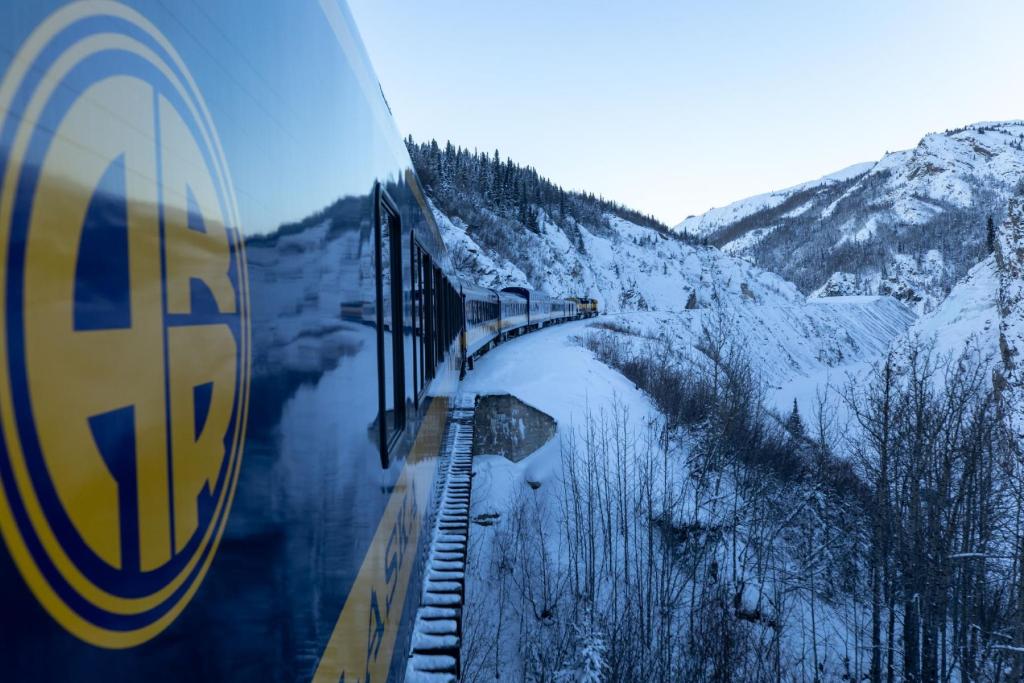
The Alaska Railroad operates the Aurora Winter Train between Anchorage and Fairbanks on weekends during the winter season. The train makes a flag stop in Denali, but travelers should arrange transportation from the station to their lodging in advance, as winter services are limited.
Where to Stay Near Denali in Winter
Accommodations in the Denali area are closed in winter, but nearby communities offer year-round options. Healy, located about 15 minutes north of the park entrance, serves as the primary base for winter visitors. Several hotels, lodges, and cabins remain open year-round, along with limited dining and services.
Fairbanks is another option for travelers who want to include Denali as a day trip, especially for aurora viewing and Interior Alaska winter adventures. The park is approximately 120 miles south of Fairbanks.
For winter campers, Riley Creek Campground near the park entrance is open year-round and free during the winter season. No reservations are required mid-September to mid-May for tents or vehicles, though services are minimal. Backcountry camping is also an option with a free permit, available at the Murie Science and Learning Center.
Dining and Supplies
Dining options near Denali are limited in winter. A small number of restaurants remain open in Healy, but hours and availability can change seasonally. Visitors should plan to bring meals and snacks with them, especially if staying in cabins or camping. Inside the park, there are no food services during winter. The Murie Science and Learning Center does offer an indoor picnic area with restrooms, tables, and a microwave, making it a convenient place to warm up and eat lunch.
Winter Activities in Denali National Park
Winter activities in Denali are largely self-guided and weather dependent. Dressing in layers and carrying emergency supplies is essential for all outdoor activities.
Murie Science and Learning Center
The Murie Science and Learning Center serves as the park’s primary winter hub. Open throughout the winter season, it offers films, a small exhibit area, ranger information, and Junior Ranger activities. Visitors can also borrow snowshoes and ice grippers free of charge, making it a great starting point for winter exploration.
Sled Dogs and Winter Traditions
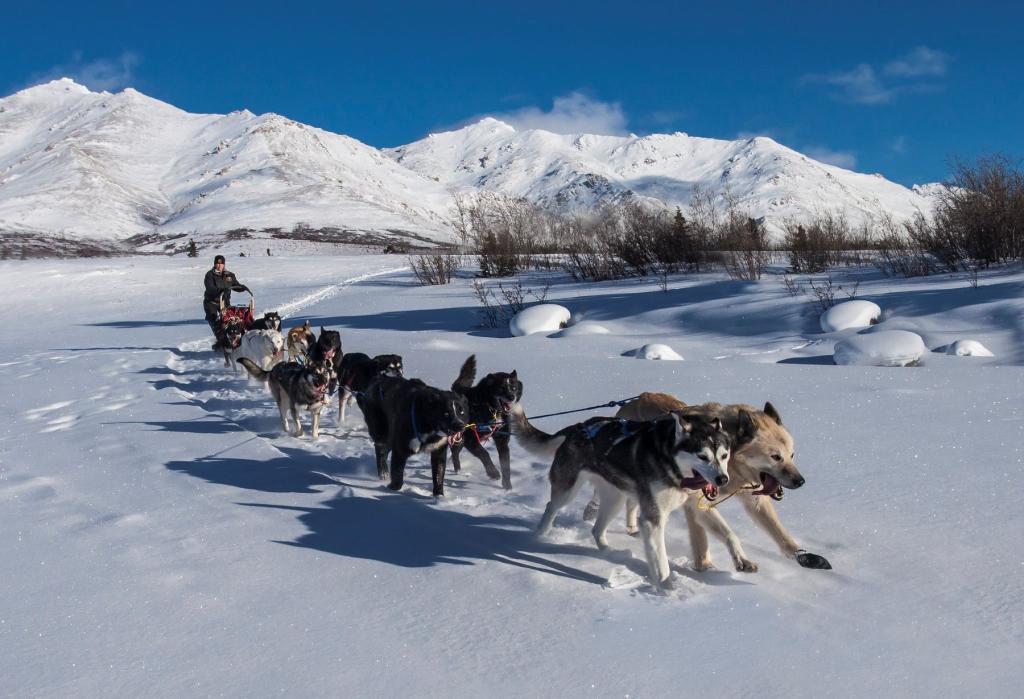
Denali’s sled dogs are an important part of the park’s winter operations. The sled dog kennels are typically open to visitors on Saturdays and Sundays during winter, though dogs may be out on training runs or important patrolling missions. Even when the dogs are out, the kennel area offers an educational exhibit about how sled dogs support winter travel and park management.
Visitors with their own dogs can enjoy dog-powered activities such as skijoring and dog sledding where permitted.
Skiing, Snowshoeing, and Winter Hiking
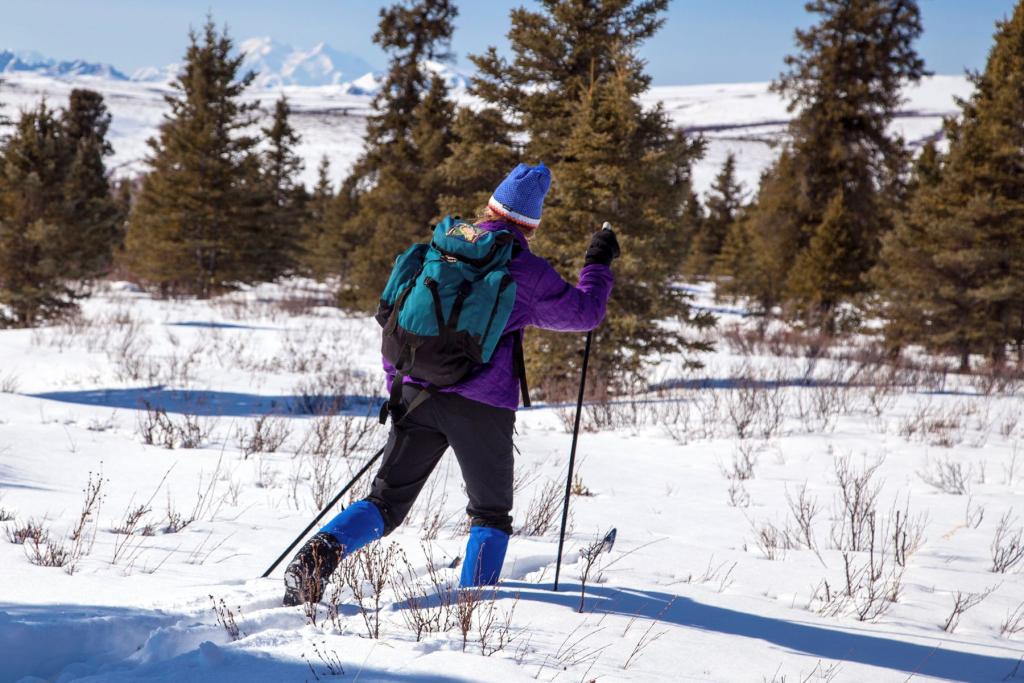
Cross-country skiing and snowshoeing are popular ways to explore the park. Some trails are groomed for skiing near the park entrance area, while others are more suitable for snowshoes.
Winter hiking is also possible, though traction devices are often necessary due to icy surfaces. Fat biking is allowed on the Roadside Bike Trail and the park road, providing another way to experience the snowy landscape.
Downhill backcountry skiing and snowboarding are possible in some areas but typically require long climbs and advanced winter travel skills.
Snowmachining
Snowmachine access in Denali depends on snow cover and seasonal regulations. Not all trails are open to motorized use, and conditions vary widely. Visitors should check current regulations and conditions before planning a snowmachine trip.
Aurora Viewing
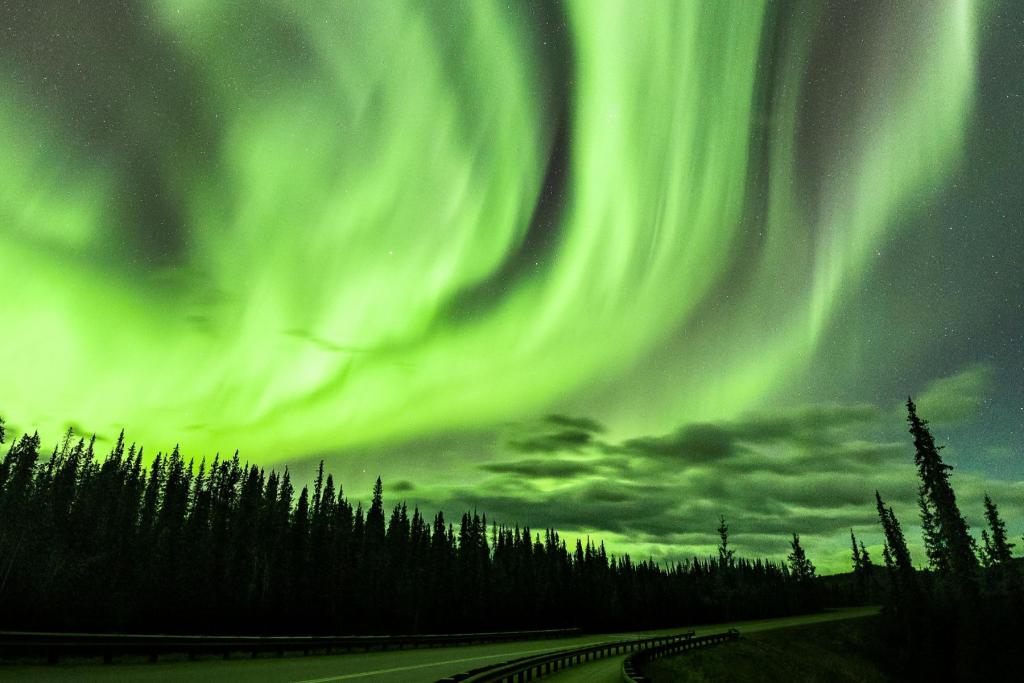
Denali’s location and minimal light pollution make it an excellent place for aurora viewing during winter. Clear nights from late fall through early spring offer opportunities to see the northern lights dancing above snowy ridgelines. Viewing conditions depend on solar activity and weather, so patience and flexibility are key.
Winter Events
Denali Winterfest, held in late February, celebrates winter with guided activities, educational programs, and community events. It’s one of the liveliest times to visit Denali in winter and a great opportunity to connect with the community.
A Different Way to Experience Denali
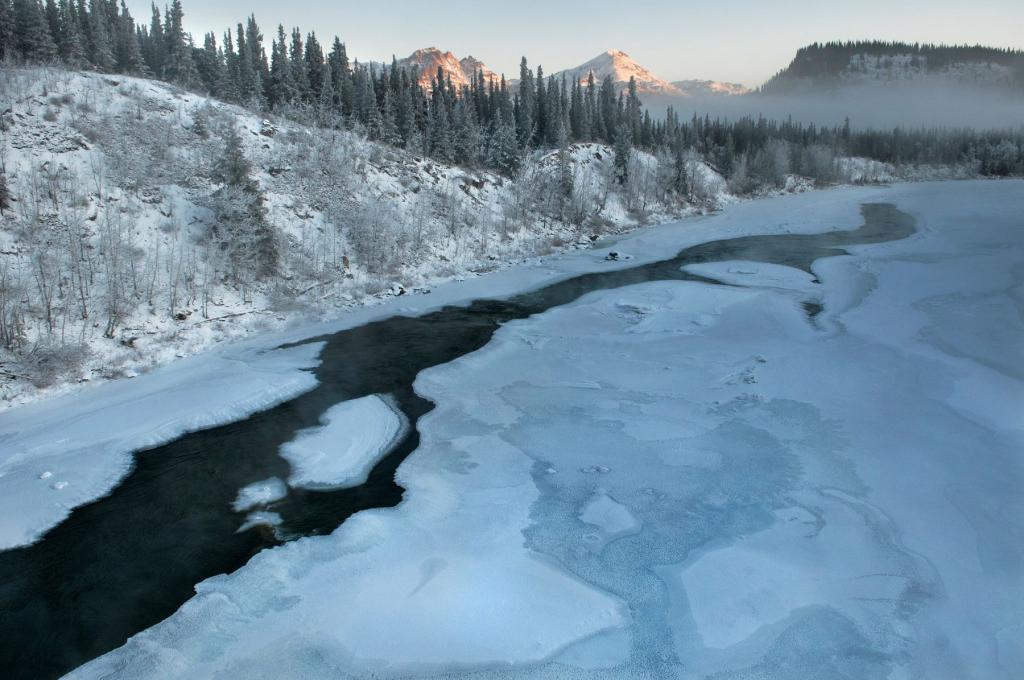
Visiting Denali National Park in winter is about slowing down and embracing the season. With fewer services, limited road access, and cold temperatures, winter travel here requires planning, flexibility, and respect for the environment. In return, visitors are rewarded with quiet landscapes, winter recreation, and a stillness that’s hard to find during the busy summer months.

Alaska: AKA Your Next Adventure
Where will your Alaska adventure take you? Order our Official State of Alaska Vacation Planner and plot your course.