

Tips for Visiting Alaska as a Solo Traveler
Alaska is a great place to travel alone even though it may feel daunting; the distances are vast, the weather is unpredictable, and nature doesn’t negotiate. But independent travelers who plan well and respect the landscape will be rewarded with unmatched freedom, solitude, and access to wild places that still feel genuinely wild.
Alaska’s remote wilderness, long distances between towns and parks, and relatively few transport options mean you’ll want to plan in advance. First, consider the type of trip you’d like to have (for example, backcountry adventure or cultural deep dive?) and what you’d like to see. For first-time solo travelers, avoid jumping straight into deep backcountry unless you already have Alaska experience. Places like the Brooks Range or remote bush communities require more planning, higher costs, and a margin for error that’s not beginner-friendly. It’s best to start with places that balance access, services, and outdoor opportunities.

Things to Do
Day Hikes
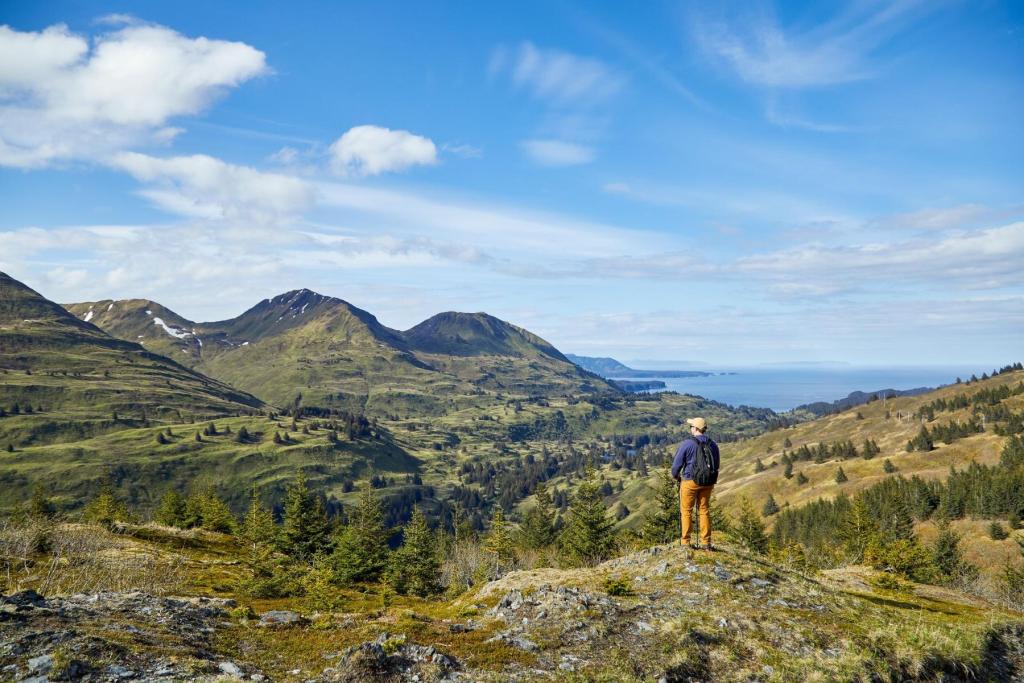
For independent travelers, day hiking is one of the most accessible activities. Well-traveled trails, such as those near larger towns like Anchorage or Juneau, allow you to move independently without being isolated. Wildlife encounters are possible, but these areas see enough foot traffic to reduce risk if you stay alert.
Road Trips
Road trips are another excellent solo option. Alaska’s major highways (the Seward, Parks, Richardson, and Glenn Highways) are scenic, well-maintained, and dotted with pullouts, trailheads, and small communities. Driving alone gives you full control over timing and stops, which matters when weather shifts or something catches your eye.
Guided Trips
If you want adventure without full self-reliance, Alaska excels at guided day trips. Glacier hikes, wildlife cruises, sea kayaking, rafting, railroad day trips, and flightseeing tours are designed for individuals as much as groups. If you’re seeking structure and local expertise, multi-day guided trips, such as small-group backpacking or paddling expeditions, offer safety and more depth than day tours. They remove logistical complexity while still delivering real wilderness immersion, and you’ll be in the company of a few others.

Where to Go
Anchorage
Alaska’s larger towns and more populated communities are excellent jumping-off points for solo adventures. Anchorage is an obvious choice as it’s the state’s largest city and has everything you need to outfit yourself, from grocery stores to gear shops. From here you can catch bush planes, jets, the Alaska Railroad, and charter buses to other destinations. It’s also a destination in its own right, with the massive Chugach State Park, Turnagain Arm, and Matanuska Valley on its borders.
Kenai Peninsula
South of Anchorage is the Kenai Peninsula, a relatively populated destination on the road system that is friendly to the solo traveler. Seward, a small town on the southeast side of the Peninsula, is ideal for those who want accessible adventure. Kenai Fjords National Park beckons from Seward’s shores and is worth the trip on its own. Seward is compact and walkable, and you’ll find many guided options such as boat tours, kayaking, and glacier hikes. Also on the Kenai Peninsula, artsy Homer attracts solo travelers who like creative communities, coastal hikes, and a slower pace. It’s a good place to linger and base yourself for excursions across Kachemak Bay to Halibut Cove or Seldovia.
Southeast
In Southeast, several towns serve as excellent bases for the solo traveler. Juneau works well if you’d like to rely on tours and your own two feet. You don’t need a car, and hiking trails start near town. Sitka is a pretty little community, with excellent hiking and camping access directly from town and a strong local culture. Haines appeals to solo travelers who prefer quiet, unfussy towns with big landscapes and immediate access to hiking, biking, and river trips. It’s less polished than other Southeast stops but very friendly to independent travelers. It’s also connected to the road system. All three towns are connected by the Alaska Marine Highway Ferry System.
Fairbanks
In the Interior, Fairbanks is the gateway to Alaska’s vast Interior and Arctic regions. It’s a practical base for solo travelers interested in road trips, northern lights viewing in winter, and guided excursions to places like the Arctic Circle or nearby hot springs.

Safety
Alaska can be intimidating, as everything here is bigger than other states: the land, the waters, and the wildlife, and it’s not for the unprepared or risk-averse. But with advance planning and situational awareness, you can make your solo journey as safe as possible. There are a few key considerations:
- Wildlife safety matters, particularly with bears but also moose. Learn how to store food properly, make noise while hiking, and carry bear spray where recommended. Most negative encounters happen when people don’t follow proper safety precautions. Steer clear of moose and any large mammal with babies/calves/cubs.
- Hiking safety starts with route choice. Weather can change fast, daylight hours can distort your sense of time, and terrain is often more demanding than it looks. Tell someone where you’re going. Carry layers, food, water, and navigation tools, even on short hikes. Don’t cross rivers on your own; more people die crossing rivers than by bear maulings in Alaska.
- Cell service is unreliable outside urban areas, so assume you won’t have coverage. Download offline maps, carry a paper backup, and consider a satellite communicator if you’re venturing far from roads.
- Driving safety is also important to note. Distances are long, fuel stops can be far apart, and animals frequently cross highways. Drive conservatively, keep your tank topped up, and don’t rush to meet an arbitrary schedule.
Local Culture
Local knowledge is often your best guide in Alaska. Guidebooks and apps are always appropriate, but conversations with locals will also contribute a lot of up-to-date information.
Talk to people: baristas, park rangers, ferry staff, guides, shop owners. Alaskans are generally direct, practical, and generous with information. You’ll often get better trail conditions, weather insight, and realistic expectations than any app can provide.
Visitor centers are especially valuable; they’re staffed by people who know what’s currently open, flooded, snowed in, or overhyped. You’ll find the most current conditions and information in these as well as a healthy dose of geological, cultural, and historical information.

Alaska culture values self-sufficiency and respect for the land. Being prepared, listening carefully, and adapting plans when needed earns respect quickly. Alaska is not the place to go big or go home; sometimes just a walk on a paved Anchorage bike path is huge in that it can yield scenic views and sightings of bears, moose, and eagles all in the same hour. But for travelers who value independence and don’t mind a bit of planning mixed with flexibility, Alaska offers large, uncrowded landscapes and epic adventures.
Alaska: AKA Your Next Adventure
Where will your Alaska adventure take you? Order our Official State of Alaska Vacation Planner and plot your course.