

Anchorage Coastal Wildlife Refuge & Potter Marsh
This scenic wildlife viewing area is a premier birding destination near Anchorage from May through September.
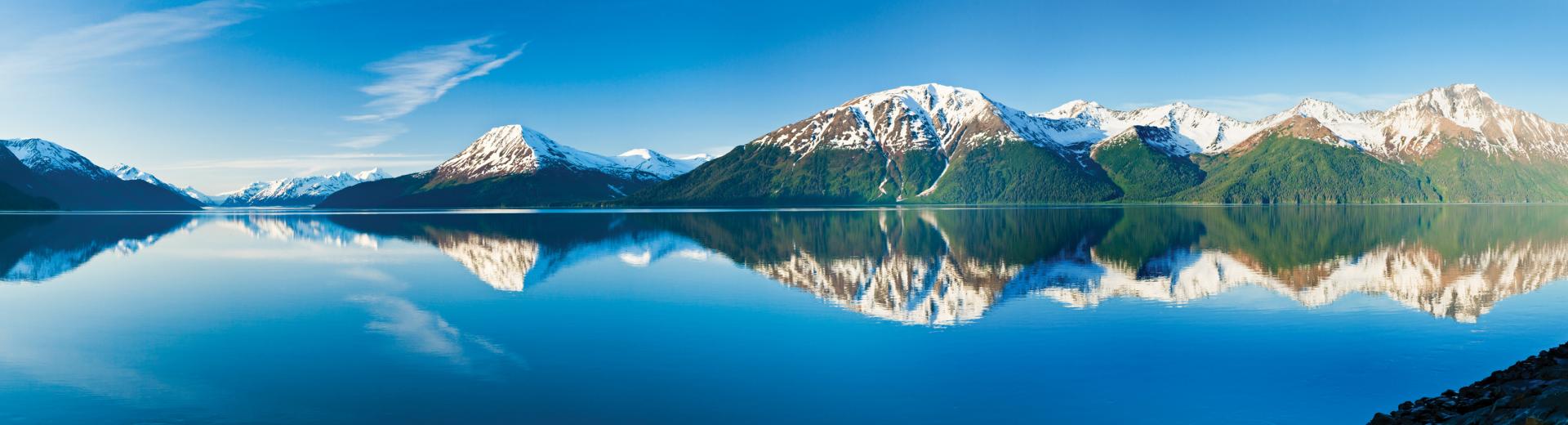
The Anchorage Coastal Wildlife Refuge stretches 16 miles between Point Woronzof and Potter Creek. Its extensive tidal flats, marsh, and alder-bog forest are home to more than 130 species of resident and migratory birds. With its raised boardwalk at Potter Marsh and panoramic views of the Turnagain Arm, Chugach Mountains, and surrounding spruce, cottonwoods, and alders, this refuge is one of the most accessible and scenic wildlife viewing areas in Southcentral Alaska.
THINGS TO DO
The most popular area of the Anchorage Coastal Wildlife Refuge is the Potter Marsh boardwalk, a ½ mile-long elevated boardwalk trail over the marsh with interpretive signs, telescopes, and excellent vantage points for wildlife viewing and photography. In addition to birding, the Anchorage Coastal Wildlife Refuge is a great spot to view fish and wildlife including salmon, moose, muskrats, and beavers. South of Potter Marsh along the Seward Highway are a several pull-offs and parking areas offering additional birding and wildlife viewing vantage points.
The refuge is open to the public year-round. In the winter, the marsh is open to snowshoeing, cross country skiing, fat tire biking, and ice skating.
WILDLIFE
Potter Marsh is the premier destination for birders in Anchorage. Large concentrations of birds can be seen during the spring migration from late April through mid-May when waterfowl stop on their way to breeding grounds farther north, and again in late July and August when shorebirds begin to flock up in preparation for their migration to southern wintering grounds. A diversity of birds also nest in the marsh and provide entertainment all summer long, in particular Canada geese and trumpeter swans with their downy broods of goslings.
Other waterfowl often spotted in the marsh include mallards, northern pintails, northern shovelers, American wigeons, canvasbacks, red-necked grebes, horned grebes, yellowlegs, and northern phalaropes. Moose are sometimes seen feeding on aquatic or shrubby vegetation.
The boardwalk at Potters Marsh also offers a front row seat for watching salmon runs May through August. At the boartwalk's midpoint, Rabbit Creek flows underneath and provides a good spot to see spawning chinook, coho, and pink salmon.
LANDSCAPE
The majority of the refuge is intertidal floodplains of glacial silt, making it largely inaccessible to the public. The remaining areas consist of coastal wetlands, bogs, and wooded areas.
HISTORY
Potter Marsh was created in 1917 during the construction of the Alaska Railroad when work crews dammed several streams.
FACILITIES
Facilities include parking areas along the Seward Highway and an elevated, 1,500-foot-long boardwalk trail with interpretive signs and telescopes.
GETTING HERE
Potter Marsh is reached at Mile 117 of the Seward Highway just south of Anchorage. From the Potter Marsh parking lot, visitors are treated to a stunning view of Turnagain Arm and access to the raised boardwalk. Additional parking areas along the marsh are available just south of the Potter Marsh parking area on the Seward Highway.
Explore more things to do in Anchorage.
For more information, visit the Anchorage Coastal Wildlife Refuge website.
Local Climate & Weather
For Alaska's day-to-day weather, it’s best to plan for a bit of everything. Learn more about weather in this area.
Travel Inspiration
#TravelAlaska
#TravelAlaska
 @busygirlcentral
 @greatlandadventures
 @trekkndotco
 @adventuring.with.friends
 @michaeldeyoung


