

Willow
Willow is a sleepy little village located on the George Parks Highway whose claim to fame is its drop-dead gorgeous view of Denali. On a clear day, “the Great One” dominates the Willow skyline like nowhere else in Alaska.
ABOUT WILLOW
The official starting point of the Iditarod Trail Sled Dog Race, the small town of Willow is the gateway to several nearby recreation areas popular for fishing, canoeing, and camping. Willow is on the Alaska road system, 70 miles north of Anchorage and 290 miles south of Fairbanks.
THINGS TO DO
Willow is home to a fair share of dog mushers, as many of its residents are past and present participants in the Iditarod Trail Sled Dog Race to Nome. Although the race begins in Anchorage, it is merely a short ceremonial start and then the dogs teams are trucked north to Willow for the official re-start on the first Sunday in March. With so many residents having participated in the great race to Nome, Willow comes alive during the annual event. In the summer, kennels offer tours along with rides in wheeled carts pulled by the energetic canine athletes.
Willow is known for its fishing, boating, and camping along nearby rivers and lakes. Charter fishing guides based in Willow offer outings on local rivers including Willow Creek, Montana Creek, and Clear Creek and the larger Susitna and Talkeetna Rivers. Most trips are full or half-day floats down a river targeting salmon and rainbow trout.
One of the best spots for fishing is the Willow Creek State Recreation Area located on the north side of town. The recreation area provides access to the confluence of Willow Creek and the Susitna River, where anglers can fish for salmon, rainbow trout, grayling, and Dolly Varden. The popular recreation area is home to a large campground with 140 campsites.
Canoers head to Nancy Lake State Recreation Area for some of the best lake paddling in the state. The park's canoe trails lead through a chain of lakes with well-marked portages and boardwalks over wet sections. The trails can be paddled in a day or you can make it a weekend trip by booking one of the public use cabins available for rent in the recreation area. There are also two campgrounds - Nancy Lake and South Rolly - and canoes can be rented from the South Rolly Campground. In the winter, Nancy Lake State Recreation area is a popular spot for cross country skiing, ice skating, and ice fishing, and snowmobiling.
HISTORY
Like so many Alaska communities, Willow was established as a tent city after gold was discovered on Willow Creek in 1897. A trail to the creek was built and then the more established Talkeetna Trail, the forerunner of the Parks Highway, was laid out through Willow. This soon became a major thoroughfare, bustling with freighters, mail carriers and their dog teams, and packhorses. The trail gave way to the Alaska Railroad, and many of the surveyors and construction crews who worked on the line ended up settling in Willow. By 1920, Willow had its own railroad station.
When gold mining activity ceased in the nearby Talkeetna Mountains in the 1940s, Willow became a ghost town, but the community bounced back with the completion of the Parks Highway in 1972. Four years later, Alaska voters chose Willow as the site of the new Alaska capital, which was to be moved from Juneau. The move was put on the back burner in 1982, however, when funding for the immense project was defeated in a general state election.
Plan Your Trip

We're the Failors, a husband and wife duo who live with our team of Iditarod huskies and love and care for them every day. Check out our story in...
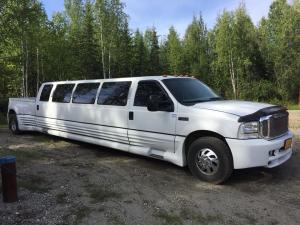
As you plan your trip, you will need transportation, right? Airlink Shuttle & Tours is your answer! We are an Alaskan-family owned & operated...
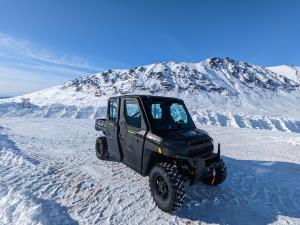
Come explore the Talkeetna Mountains and try your luck gold panning with us! Operating on over 500,000 acres, Hatcher Pass ATV Tours is located...
Come explore the Talkeetna Mountains and try your luck gold panning with us! Operating on over 500,000 acres, Hatcher Pass ATV Tours is located...
Local Climate & Weather
For Alaska's day-to-day weather, it’s best to plan for a bit of everything. Learn more about weather in this area.
Travel Inspiration
#TravelAlaska
#TravelAlaska
 @afinchkid
 @theadventuredocs
 @theadventuredocs
 @theadventuredocs
 @theadventuredocs


