Valdez
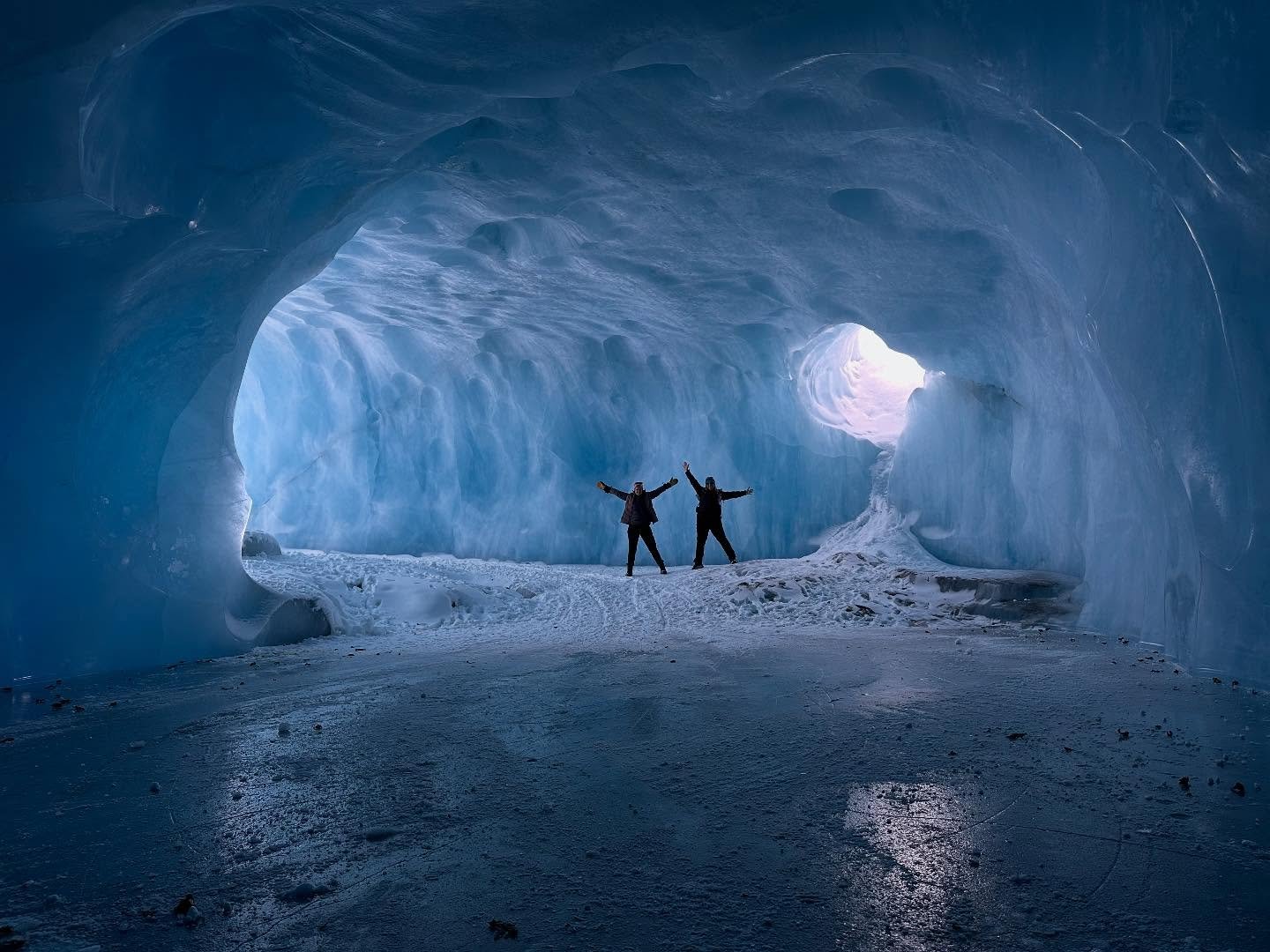
Deep in the heart of Prince William Sound and surrounded by some of the world’s tallest coastal mountains is Valdez, a city of about 3,900 residents in a remarkably picturesque setting. Though most well known as the southern terminus for the Trans-Alaska Oil Pipeline, Valdez is also a prime destination for travelers. Valdez is located on a wedge of flat land on the north shore of Port Valdez, a deep-water fjord, and is a 305-mile road trip east of Anchorage and 364-mile drive south of Fairbanks.
Things to Do
Downtown
The heart of Valdez, like so many other coastal towns in Alaska, is its small boat harbor clustered along its waterfront. From there, the town stretches about a dozen walkable blocks back toward the mountains and Mineral Creek Canyon while nearby Egan Drive, Valdez’s equivalent to Main Street, turns into the Richardson Highway and heads north for Thompson Pass. Scattered through the downtown area are a wide range of restaurants, accommodations, and museums. Visible across the inlet from town is the Trans-Alaska Oil Pipeline Terminal with its massive storage tanks, each holding nine million barrels of oil.
The impressive Maxine and Jesse Whitney Museum is the centerpiece of Prince William Sound Community College and is devoted to Alaska Native culture and Alaska wildlife. Displays include ivory and baleen artwork, moose antler furniture, and natural history displays.
This Valdez Museum includes an ornate, steam-powered antique fire engine, a 19th century saloon bar, and the ceremonial first barrel of oil to flow from the Trans-Alaska Pipeline. Historical photo displays include the aftermath of the 1964 Good Friday Earthquake and determined miners crossing Valdez Glacier in 1898 on their way to the Klondike Goldfields.
Gold Rush Days is a fun, five-day festival in mid-August that includes a parade, bed races, dances, a free fish feed, and a portable jailhouse that's pulled throughout town by locals who arrest people without beards. In February, the Valdez Ice Climbing Festival attracts experienced and novice climbers who spend the weekend ascending the stunning frozen waterfalls of Keystone Canyon.
Prince William Sound
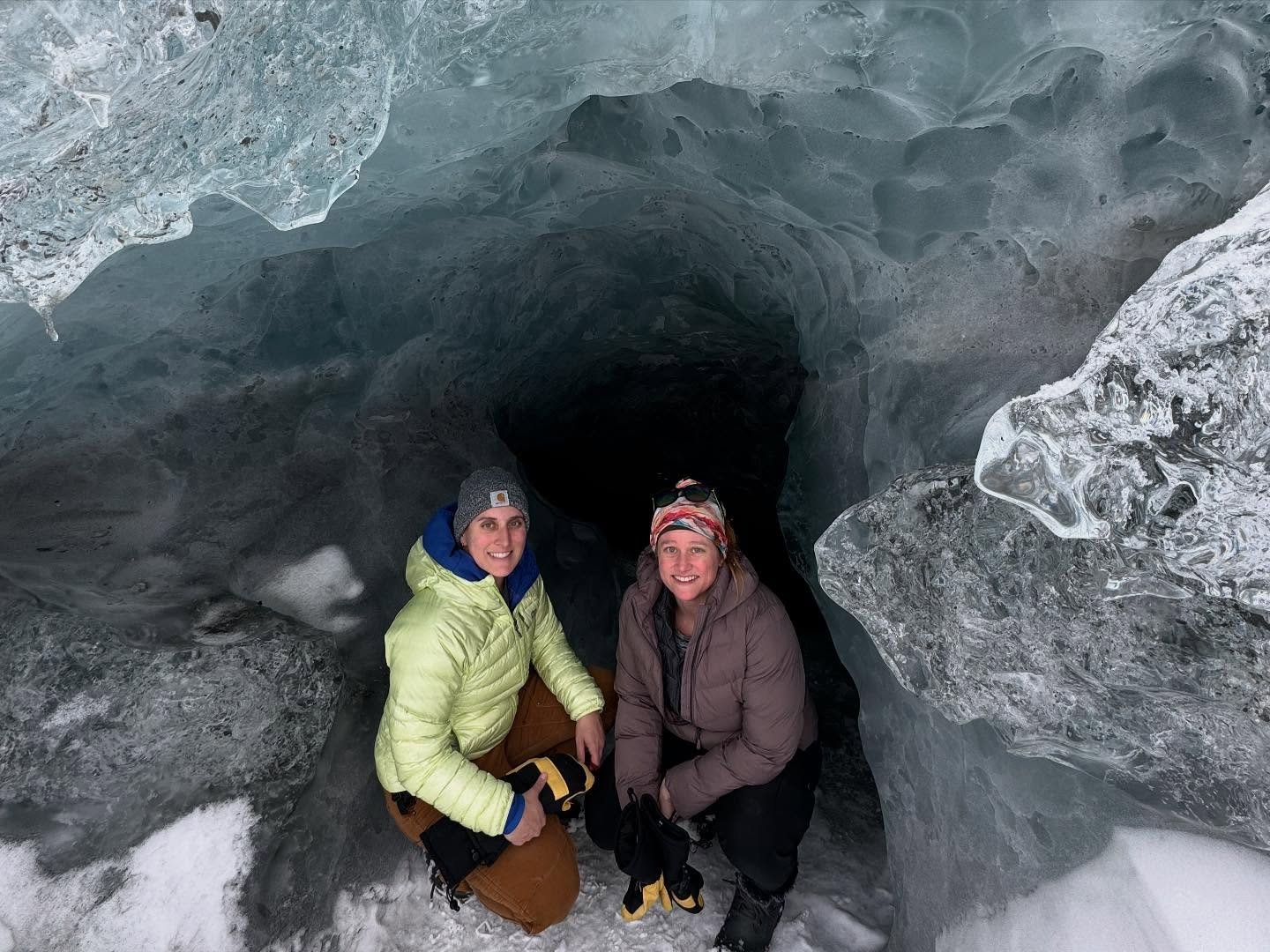
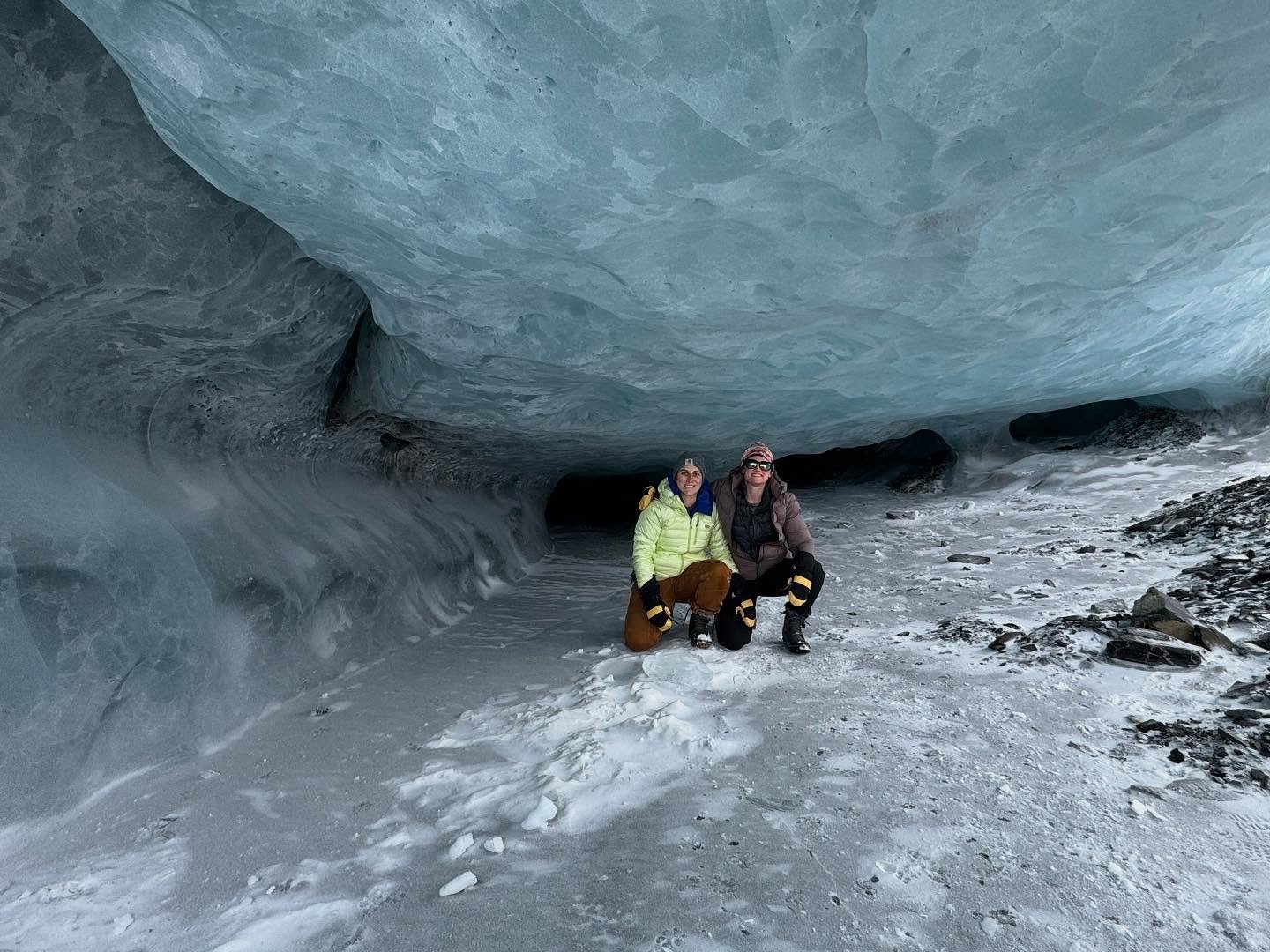
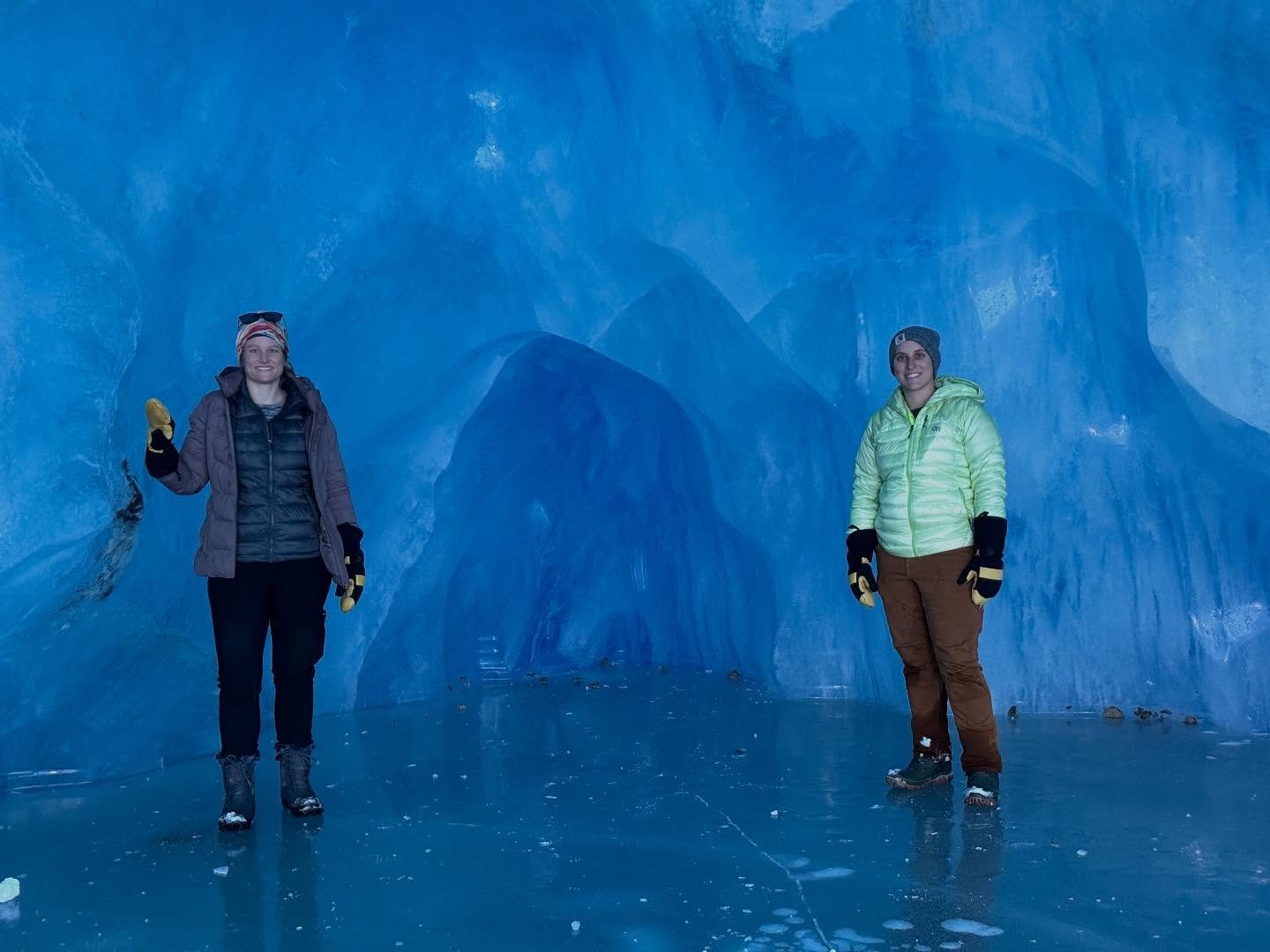
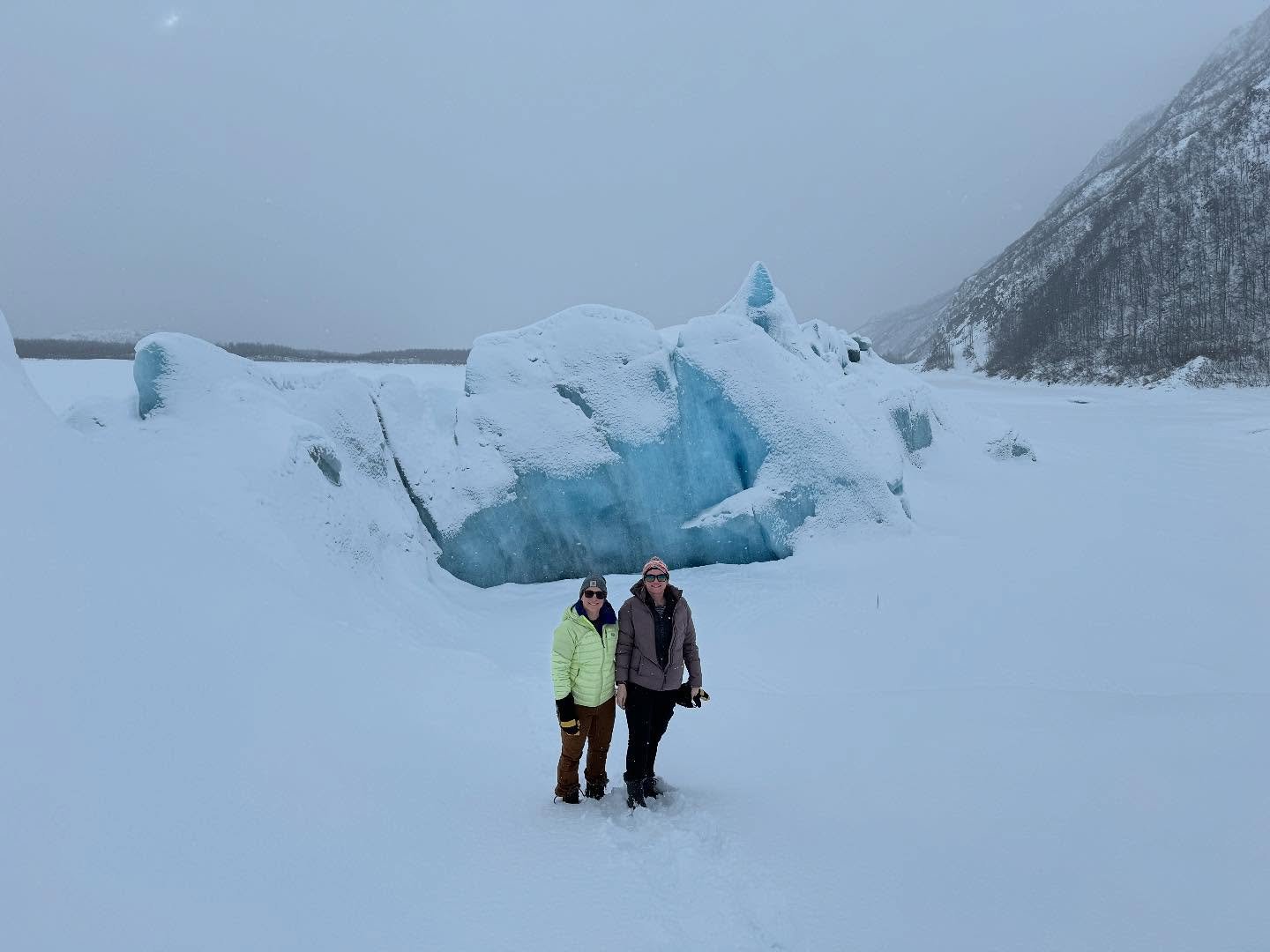
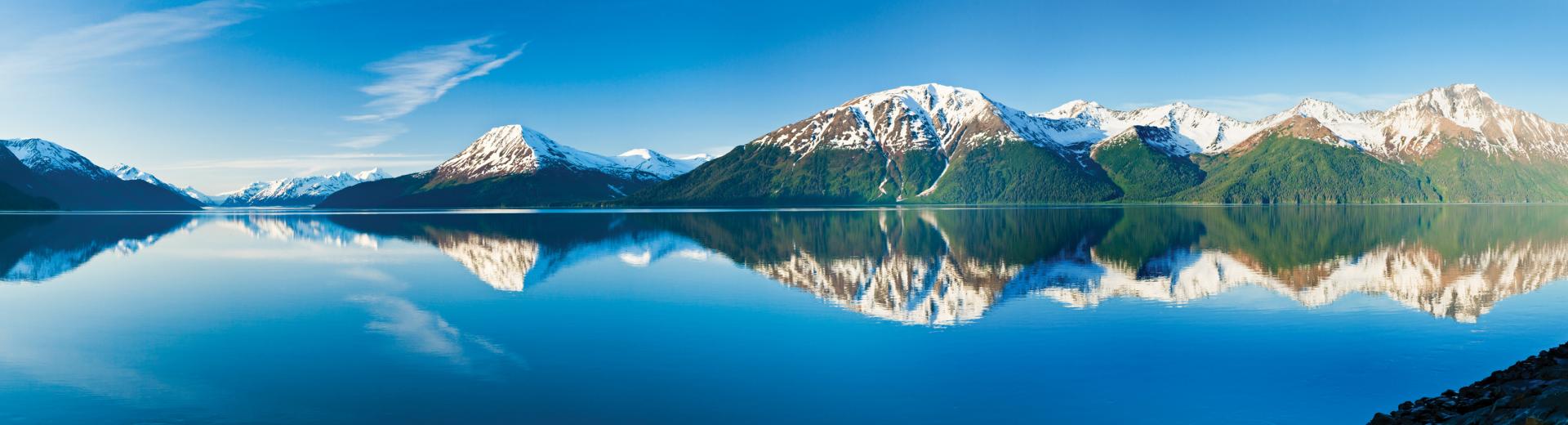
Valdez’s location in Prince William Sound makes it an outdoor paradise. It lies less than 25 miles east of Columbia Glacier, a popular day cruise destination, and all around are glaciers galore, stunning mountain scenery, an abundance of marine wildlife, and opportunities for outdoor adventure, from catching giant halibut and salmon to kayaking among icebergs and seals.
Hiking & Public Lands
Valdez offers a wide range of hiking opportunities for all skill levels, from paved multi-use trails that head from downtown to more challenging trails that explore the area’s waterfalls, alpine vistas, and mining history. Within a few blocks of the downtown area, Mineral Creek Trail heads to mining ruins in the mountains, and Shoup Bay Trail skirts Port Valdez to views of glaciers.
The Crooked Creek Information Site along the Richardson Highway at the entrance to Valdez is staffed by U.S. Forest Service naturalists with information on outdoor activities and fishing. A short walk will lead you to the fish viewing platform, where you can watch chum and pink salmon spawn in July and August.
When the Richardson Highway passes through Keystone Canyon north of Valdez, two waterfalls are seen leaping over the sheer rock walls: spectacular Bridal Veil Falls and, half a mile further, Horsetail Falls. Vehicle turnouts at both allow visitors to get out and savor the magnificent sights.
Blueberry Lake State Recreation Site is 24 miles north of Valdez along the Richardson Highway and features 25 campsites and several covered picnic shelters in a beautiful alpine setting surrounded by lofty peaks. There's good fishing for grayling in the lake.
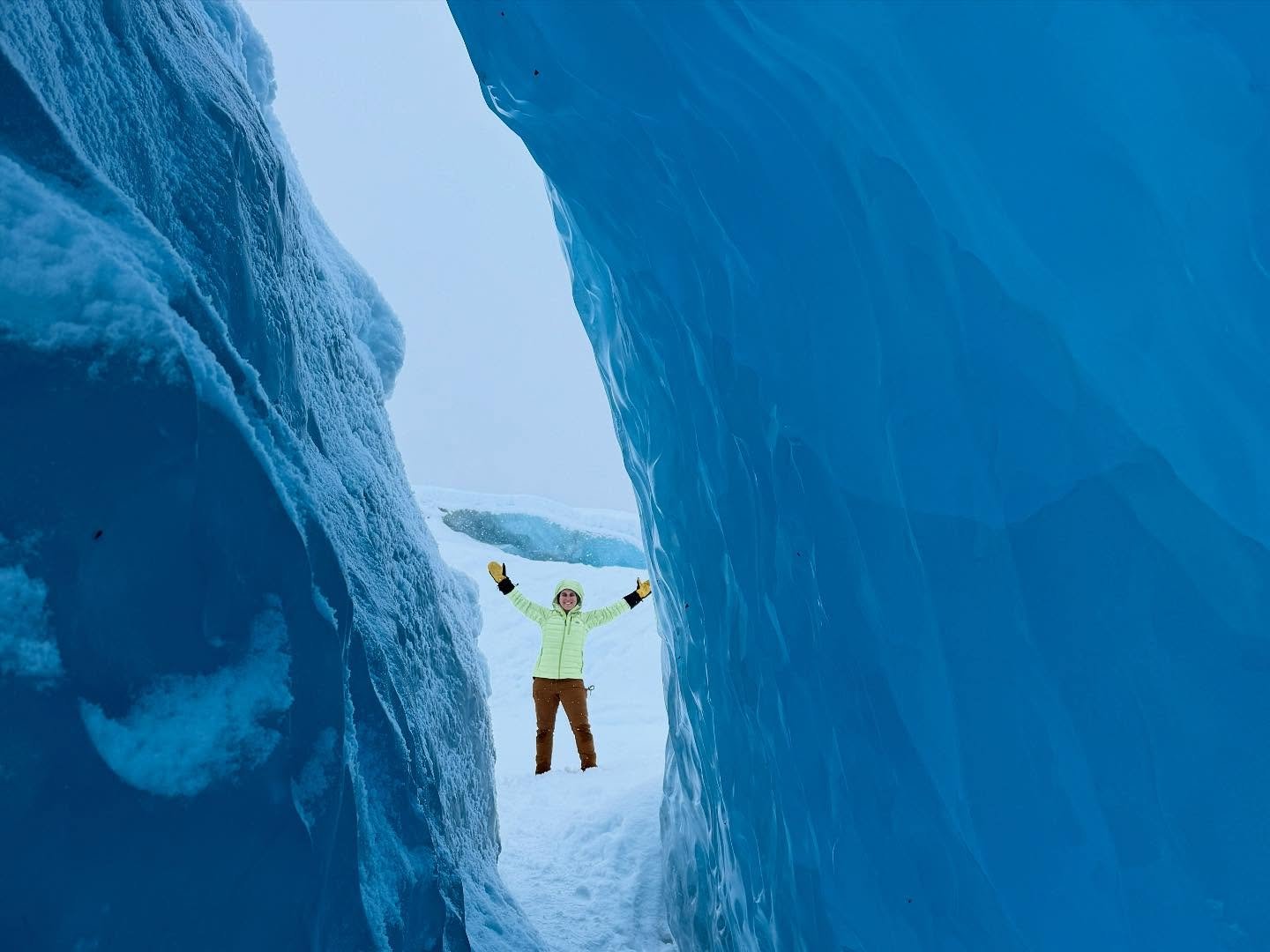
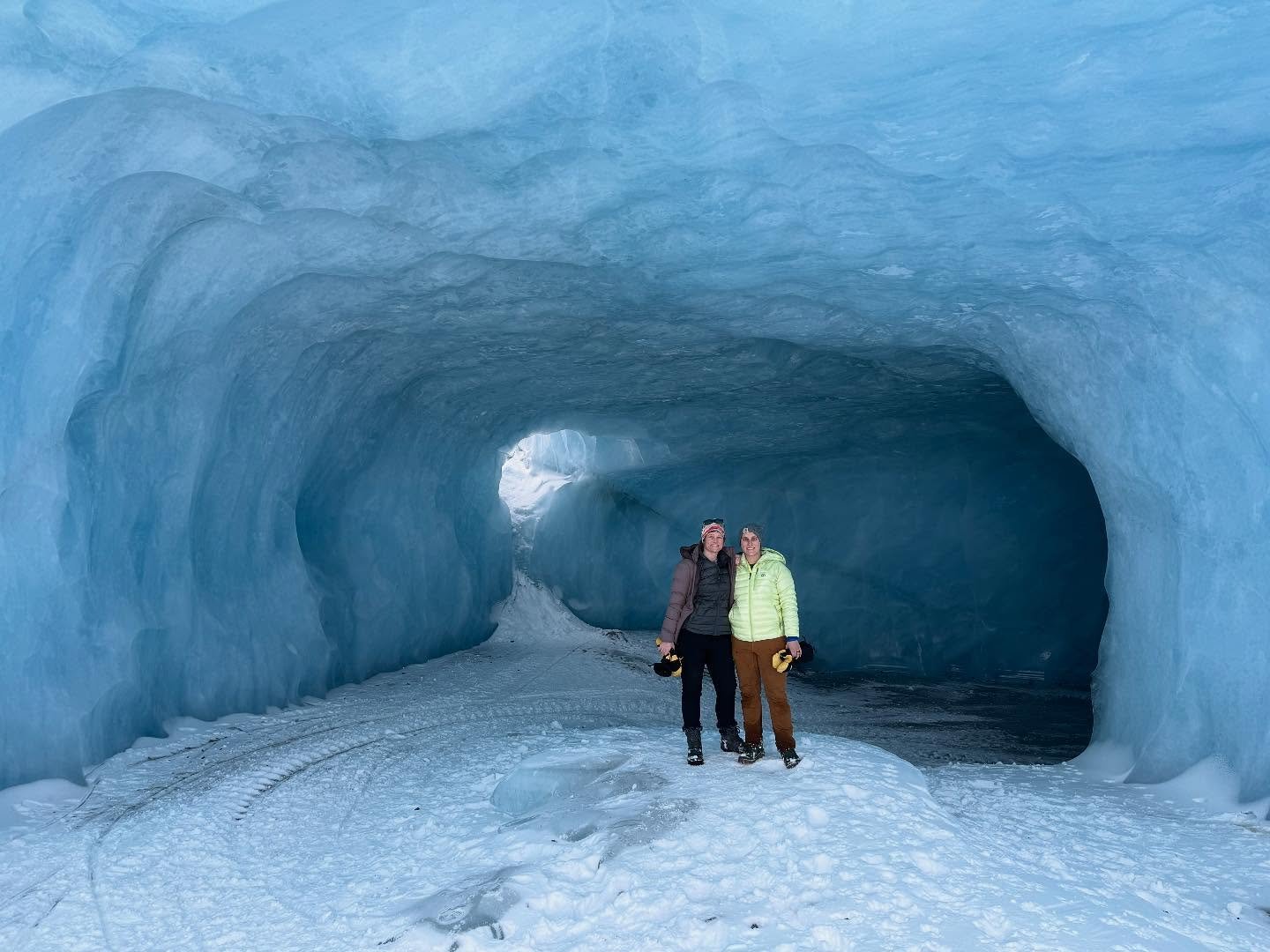
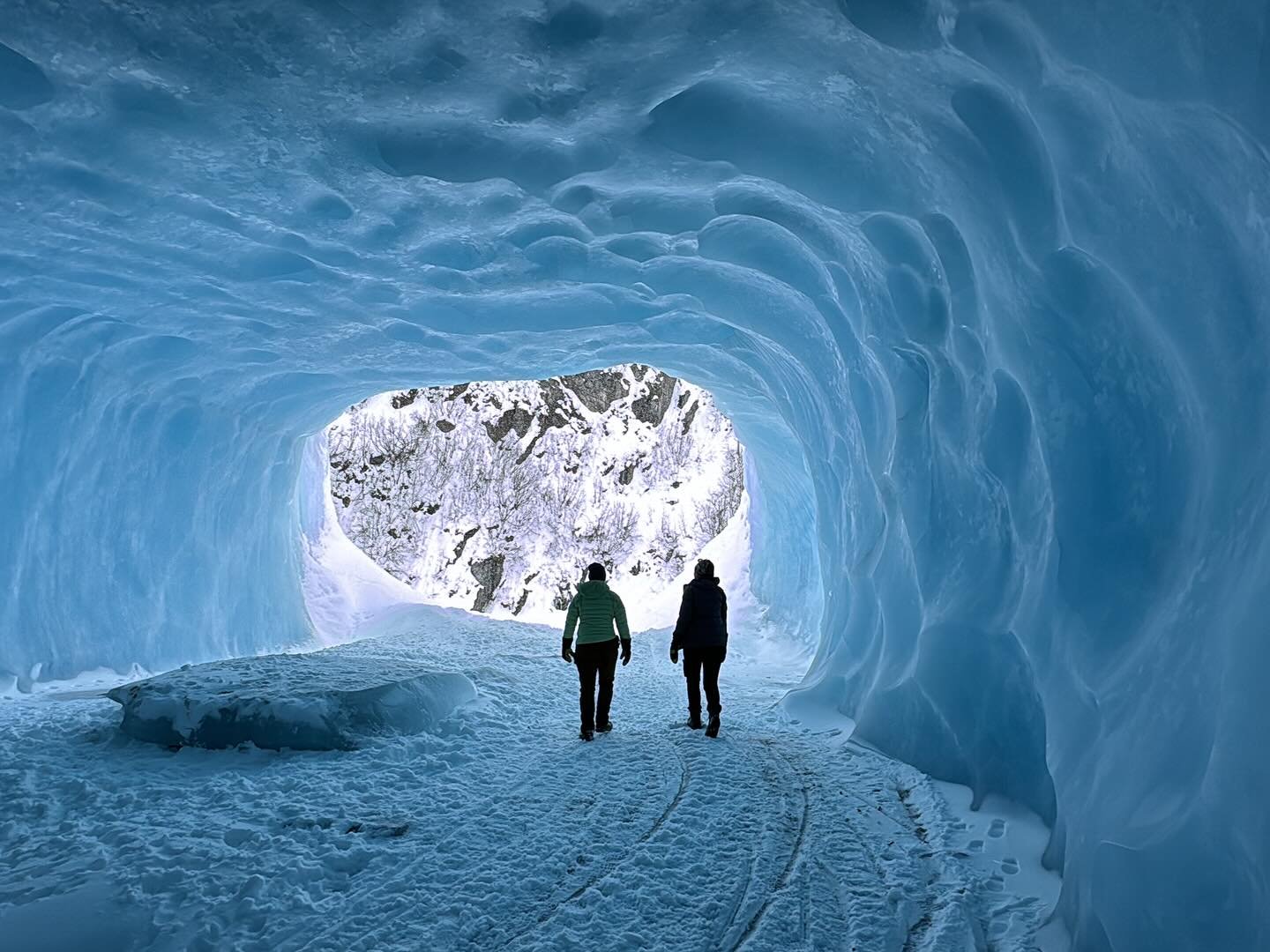
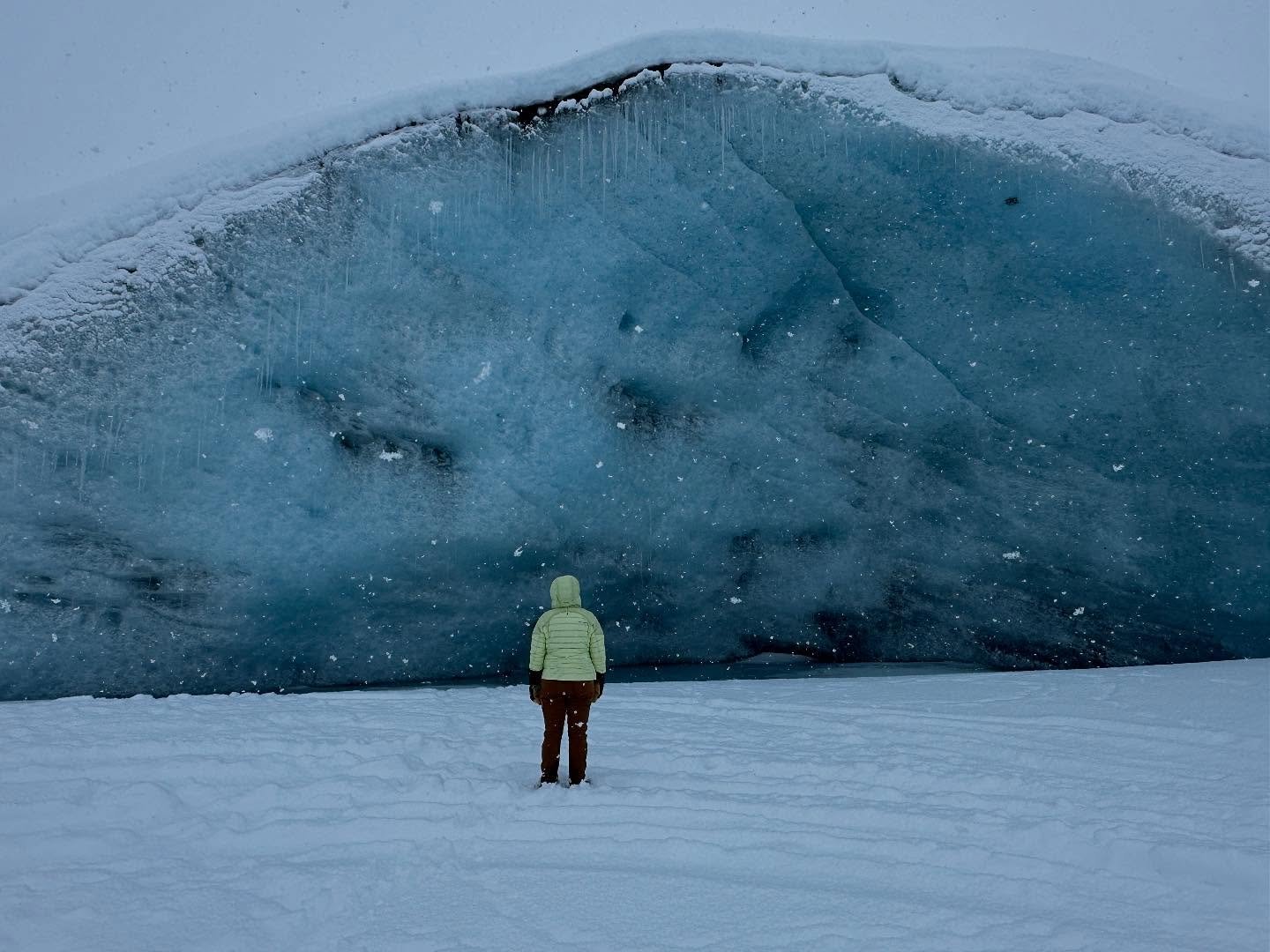
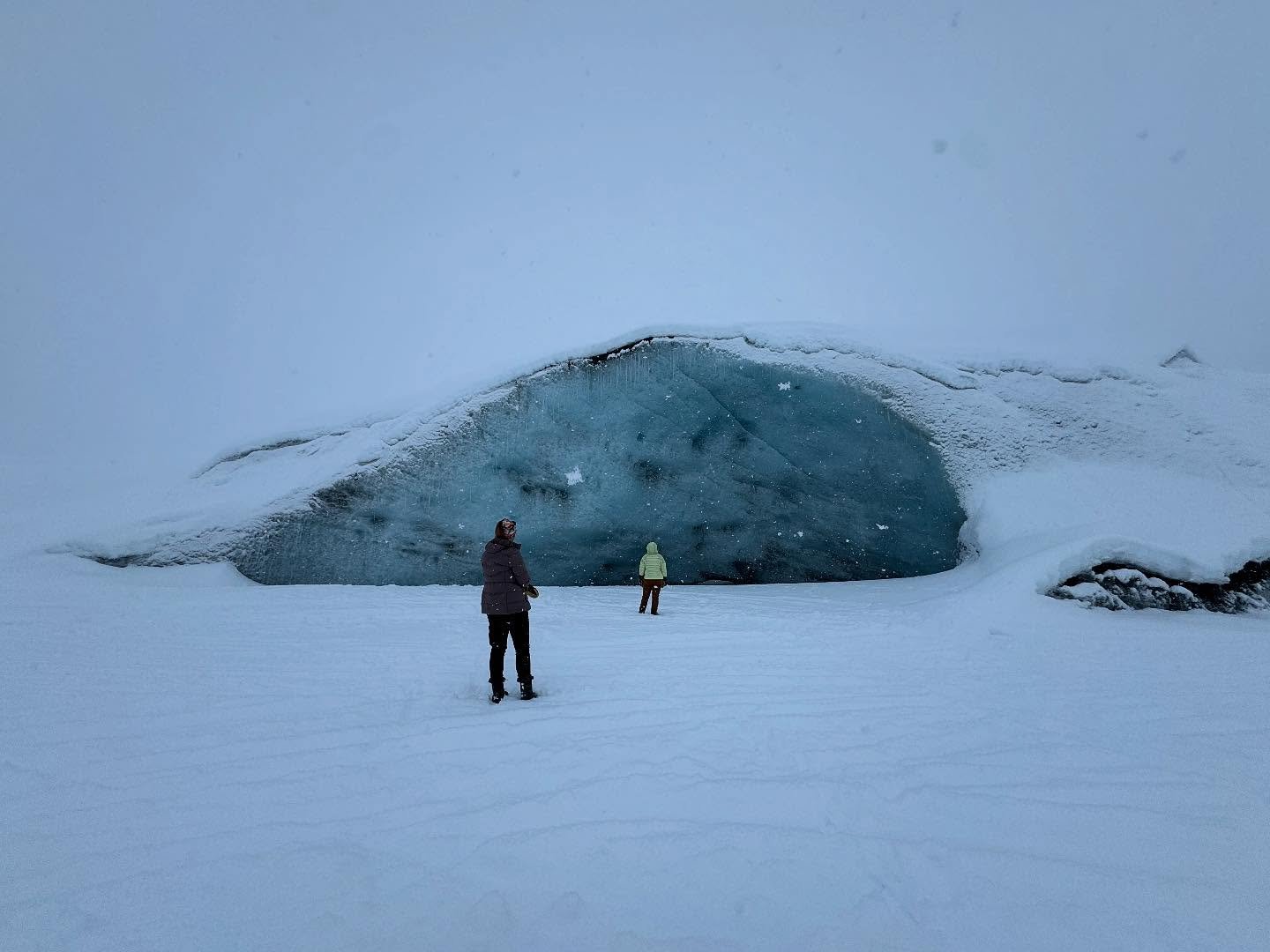
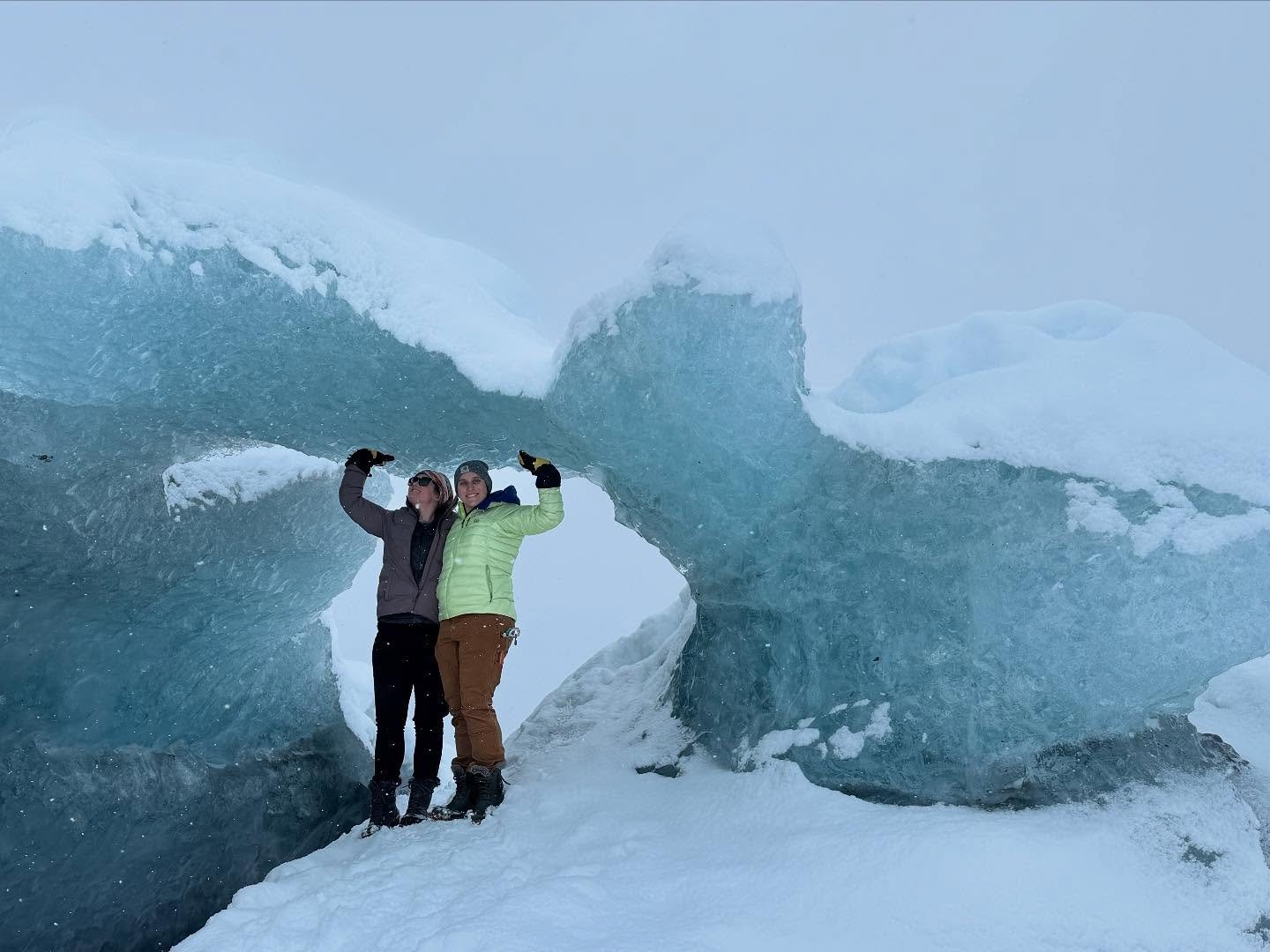
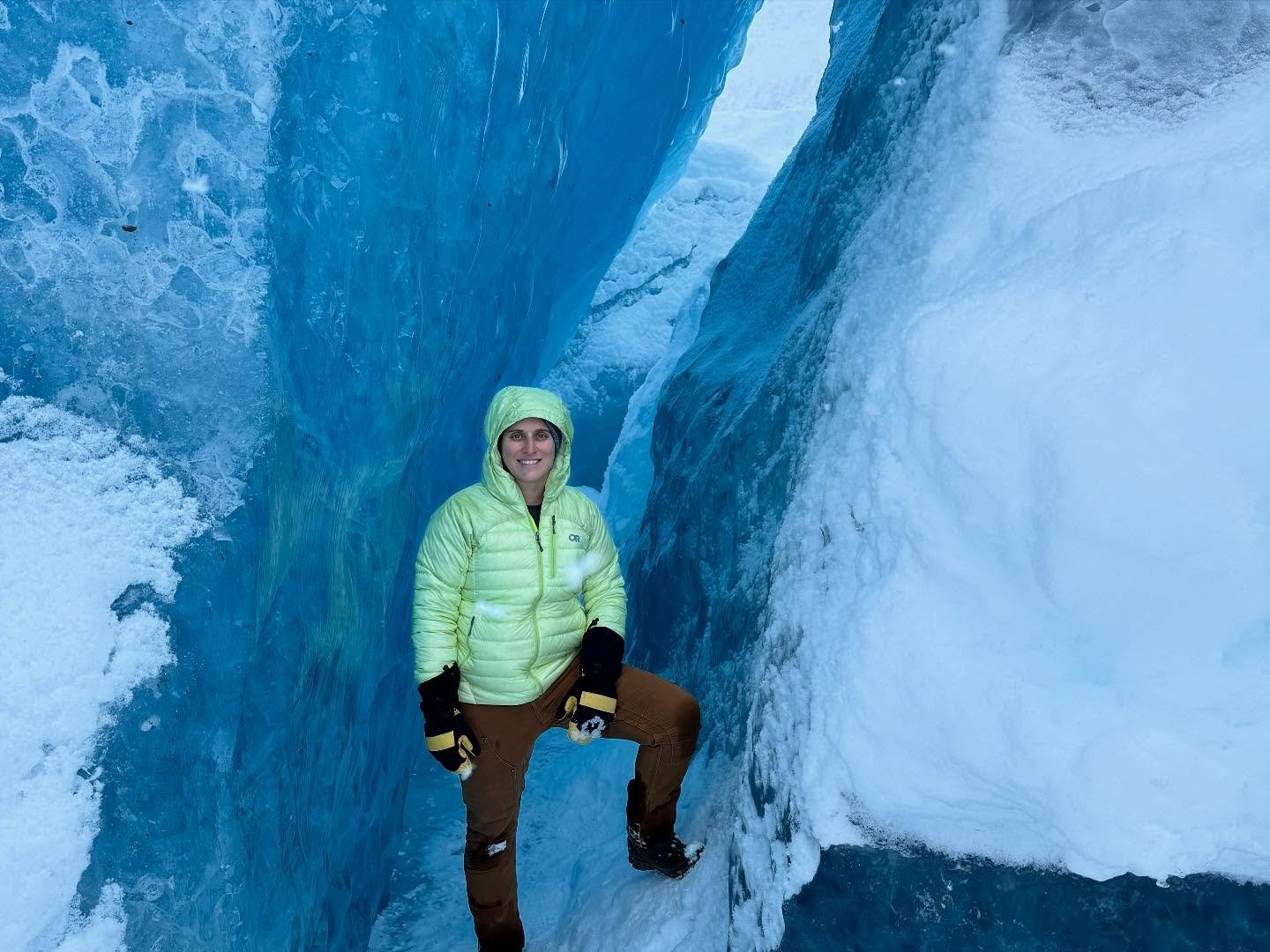
The main attraction at Worthington Glacier State Recreation Area is the glacier itself. The recreation area, 29 miles north of Valdez along the Richardson Highway, includes picnic tables and a large, covered viewing area. A paved trail leads from the parking lot with interpretive signs and fantastic views of the glacier.
Glacier & Wildlife Cruises
Columbia Glacier is the second-largest tidewater glacier in North America, spilling forth from the Chugach Mountains and ending with a 300-foot high face. Several tour companies offer day cruises into Prince William Sound to Columbia Glacier or Meares Glacier, where you’ll witness large chunks of ice calve off and crash into the water. Along the way you’ll see wildlife such as humpback whales, orcas, Dall’s porpoise, harbor seals, sea lions, sea otters, and puffins.
Kayaking
The area’s calm inlets and fjords make Valdez a kayaker's paradise. Outfitters in town rent kayaks, provide water taxi drop-offs, and lead guided trips that range from a day to a week and include such spectacular sights as Columbia Glacier.
Fishing
Anglers can arrange charter fishing trips in the Small Boat Harbor. Valdez has a fleet of charter fishing captains eager to take visitors out for a day on the water in bountiful Prince William Sound. The main catches are silver salmon, halibut, and ling cod. Many charter captains can arrange custom overnight trips that combine several days of fishing with wildlife and glacier viewing.
Rafting
Thanks to those steep coastal mountains, daredevil enthusiasts can go whitewater rafting on the Lowe River through the impressive Keystone Canyon. Outfitters take advantage of the canyon to offer whitewater raft trips daily during the summer that features class III rapids, sheer canyon walls, and cascading waterfalls.
Earthquake Memorial & Old Valdez
When the most powerful earthquake in American history occurred in Southcentral Alaska in 1964, the land rippled around Valdez. A good portion of the town slid into the harbor and tsunamis destroyed what was left. The city has since been built on higher ground but out along the Richardson Highway visitors can still see overgrown foundations of Old Valdez. The Earthquake Memorial, listing the names of the dead, is in the area.
Staying in Valdez
A wide range of accommodations are available in Valdez, including several hotels, B&Bs, guest houses, cabins, wilderness lodges, and several RV parks and campgrounds. A good selection of dining options are available within walking distance of downtown, including restaurants, food trucks, coffee shops, bars, and two local breweries.
Getting to Valdez
Valdez is on the Alaska road system and is accessible by road, sea, and air. The town is 305 miles by road from Anchorage and 364 miles from Fairbanks. The Alaska Marine Highway ferry system provides regular service from other coastal communities, and water taxis are also available. Air taxi services can provide flights from Anchorage and other Alaska communities.
History
Valdez’s darkest moment was the Good Friday Earthquake in 1964. The tsunami that followed the earthquake destroyed the entire historic town site of Valdez. The community was rebuilt on more stable bedrock four miles to the west and flourished during the construction of the Trans-Alaska Pipeline Terminal in the 1970s.
Plan Your Trip
Filter Your Trip

AlaskaTrain.com specializes in custom rail vacations to Alaska's most spectacular destinations. In partnership with Alaska Tour & Travel, our...

Bears, whales, moose, and more -- with Alaska Tour & Travel you can discover and book Alaska’s best wildlife trip packages. You’ll find bear...

From breathtaking scenic coach tours to the iconic Alaska Rail Road and self-drive packages – we have every option covered to complete your dream...

Alaska's wild beauty, abundant wildlife and colorful culture offer great appeal to those looking to travel off the beaten track on a self drive...

The Alaska Travel Experts for 25 years, Alaska Tour & Travel specializes in custom vacations to Alaska's most spectacular destinations. Our...

Explore Prince William Sound from Valdez with the Local Experts! Our excursions share with travelers Columbia Glacier or Meares Glacier as well...

Sightseeing for the history buff, the foodie, the geologist, the dog lover, the armchair adventurer -- with Alaska Tour & Travel you can search...

Alaska's wild beauty, abundant wildlife and colorful culture offer great appeal to those looking to travel off the beaten track on a self drive...

The Alaska Travel Experts for 25 years, Alaska Tour & Travel specializes in custom vacations to Alaska's most spectacular destinations. Image...

A passion for Alaskan glacier and wildlife tours and the Prince William Sound Wilderness define Anadyr Adventures, the original and still the...

From breathtaking scenic coach tours to the iconic Alaska Rail Road and self-drive packages – we have every option covered to complete your dream...
Local Climate & Weather
For Alaska's day-to-day weather, it’s best to plan for a bit of everything. Learn more about weather in this area.
Travel Inspiration
#TravelAlaska
#TravelAlaska
 @brooke_rrc
 @brooke_rrc
 @brooke_rrc
 @brooke_rrc
 @brooke_rrc