Tok
Tok is Alaska’s official welcoming committee as the first major community across the Canadian border for Alaska Highway travelers. With highways leading away from Tok in all directions, the friendly hub community still offers plenty of reasons to stay a while.
Tok is 93 miles from the Canadian border and is at the major junction between the Alaska Highway and the Tok Cutoff, an extension of the Glenn Highway, which heads west toward Palmer and Anchorage. In Tok, most newly-arrived visitors get out of their vehicles wide-eyed, still not believing they made it this far north, and then load up on brochures, maps, and travel information for the rest of their journey.
Things to Do
The town has been a trade and services center for travelers ever since its beginnings as a construction camp in the 1940s. From Tok, you can drive south 254 miles to Valdez and Prince William Sound, head west 328 miles to Anchorage, or continue northwest 206 miles on the Alaska Highway to Fairbanks. Additionally, the Taylor Highway heads north to Chicken, Eagle, and the Yukon-Charley Rivers National Preserve.
For most visitors, the first stop is the Tok Mainstreet Visitors Center, a massive, 7,000-square-foot lodge that is said to be Alaska's largest log structure. The center features racks of brochures for travel in and around the state as well as displays on wildlife, gold panning, and the construction of the Alaska Highway. Nearby is the Alaska Public Lands Information Center with additional information on Alaska's parks and outdoor activities, exhibits, and a large picture window that frames the Alaska Range.
Tok is known as the "Sled Dog Capital of Alaska," and many of its residents are involved in some way with dogs and dog mushing. Dog sled tours are available the summer season and sprint races steal the show between late November and March. The town’s biggest event is the Race of Champions, a sled dog race in late March that features the largest field of any sprint race in Alaska.
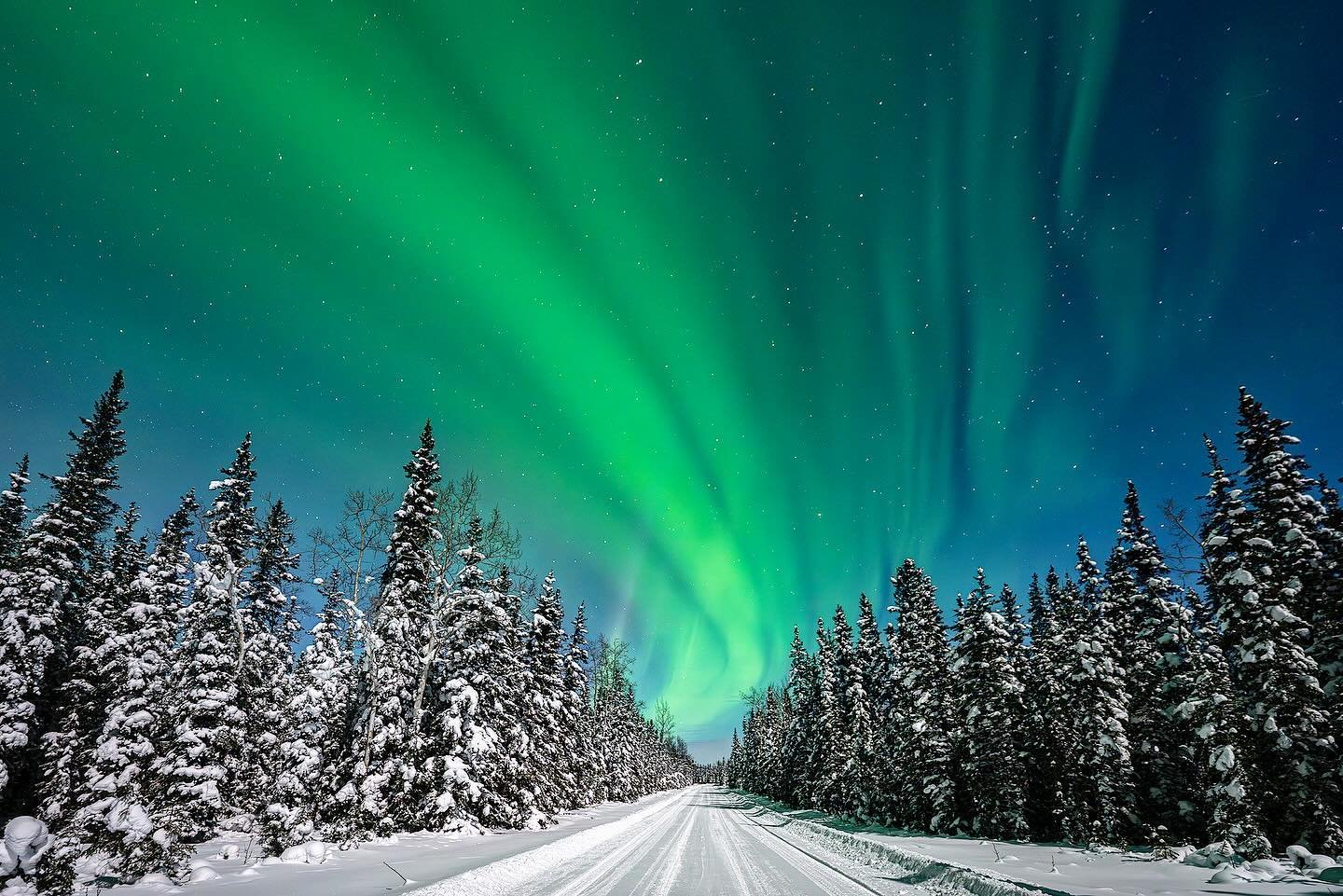
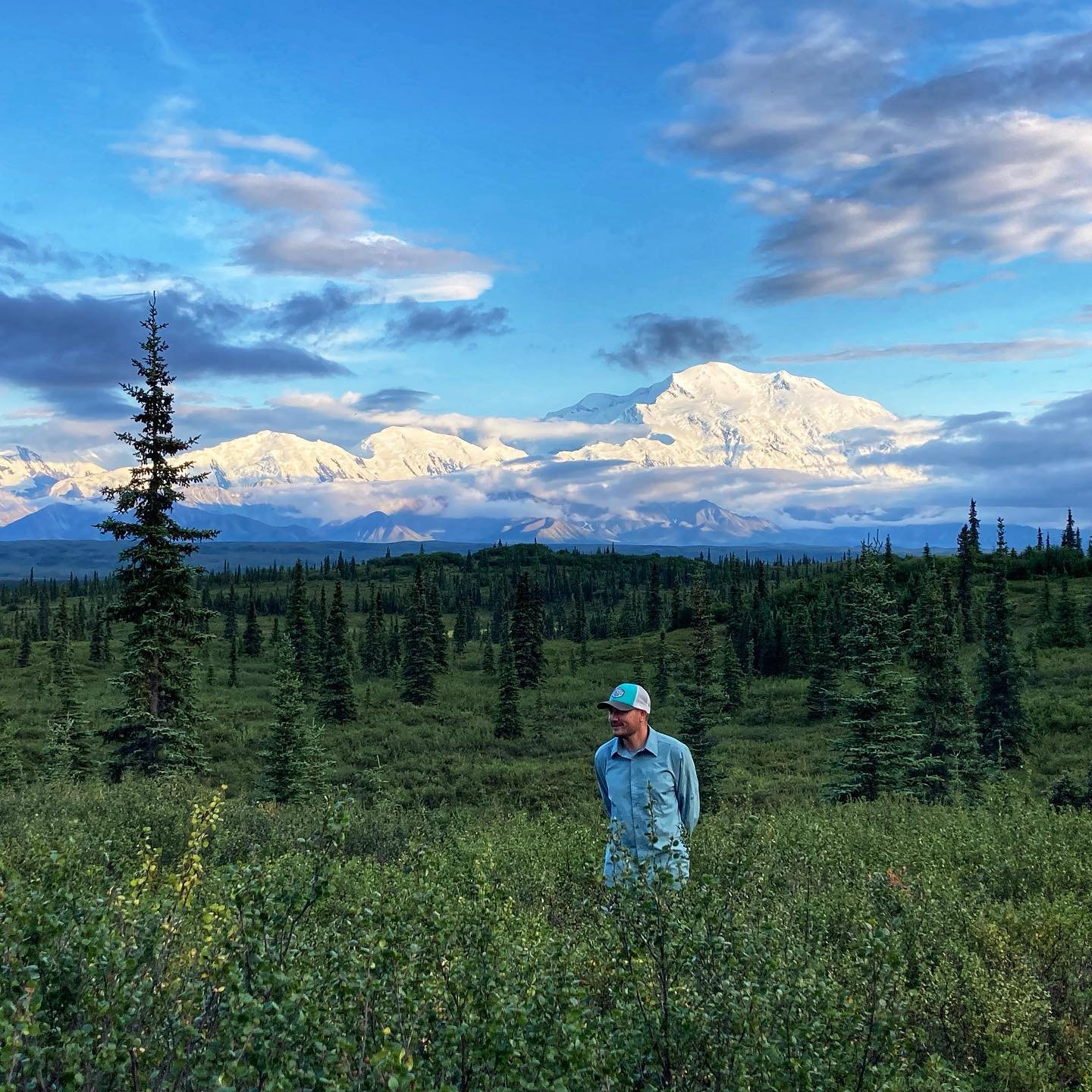
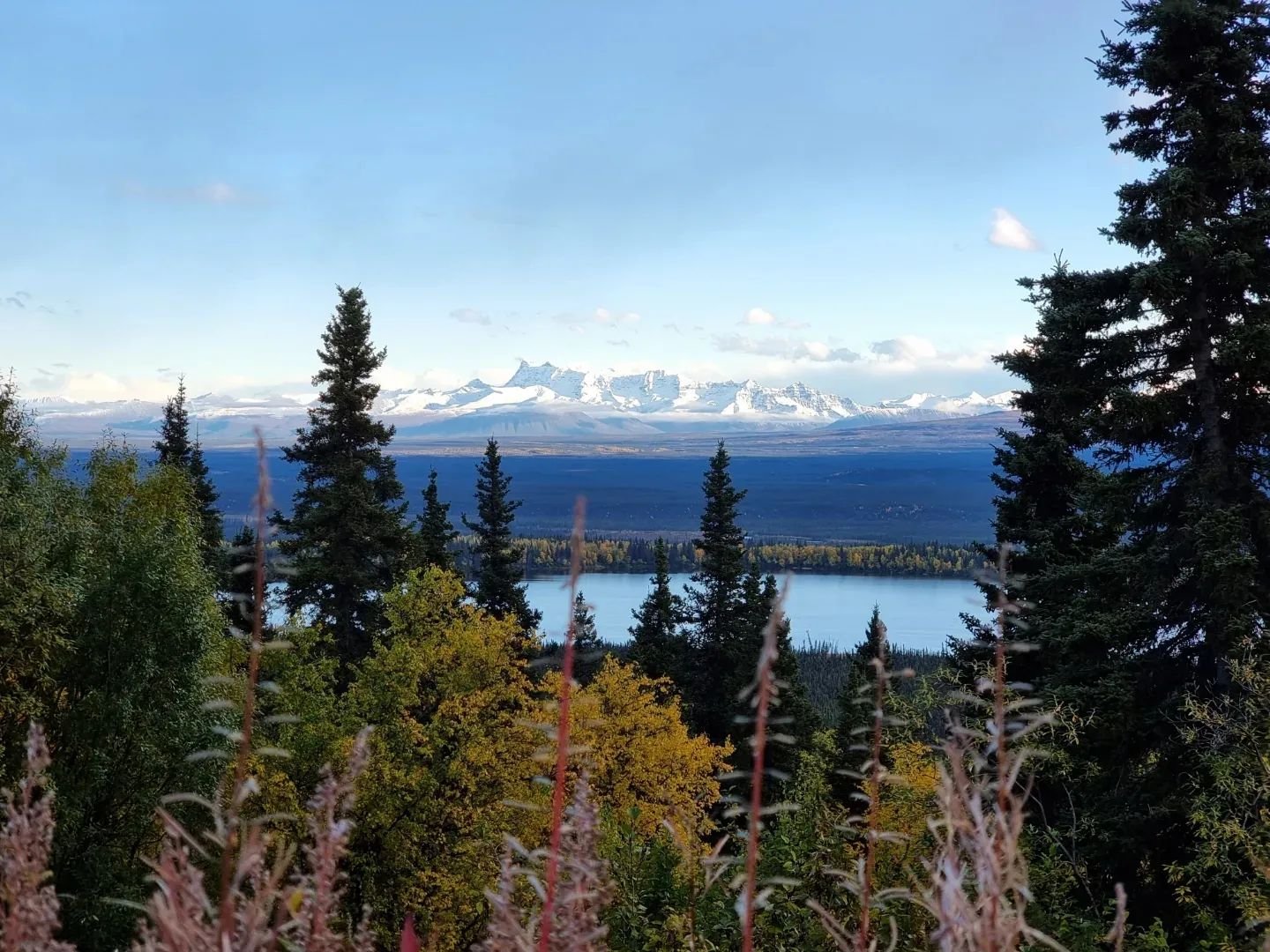
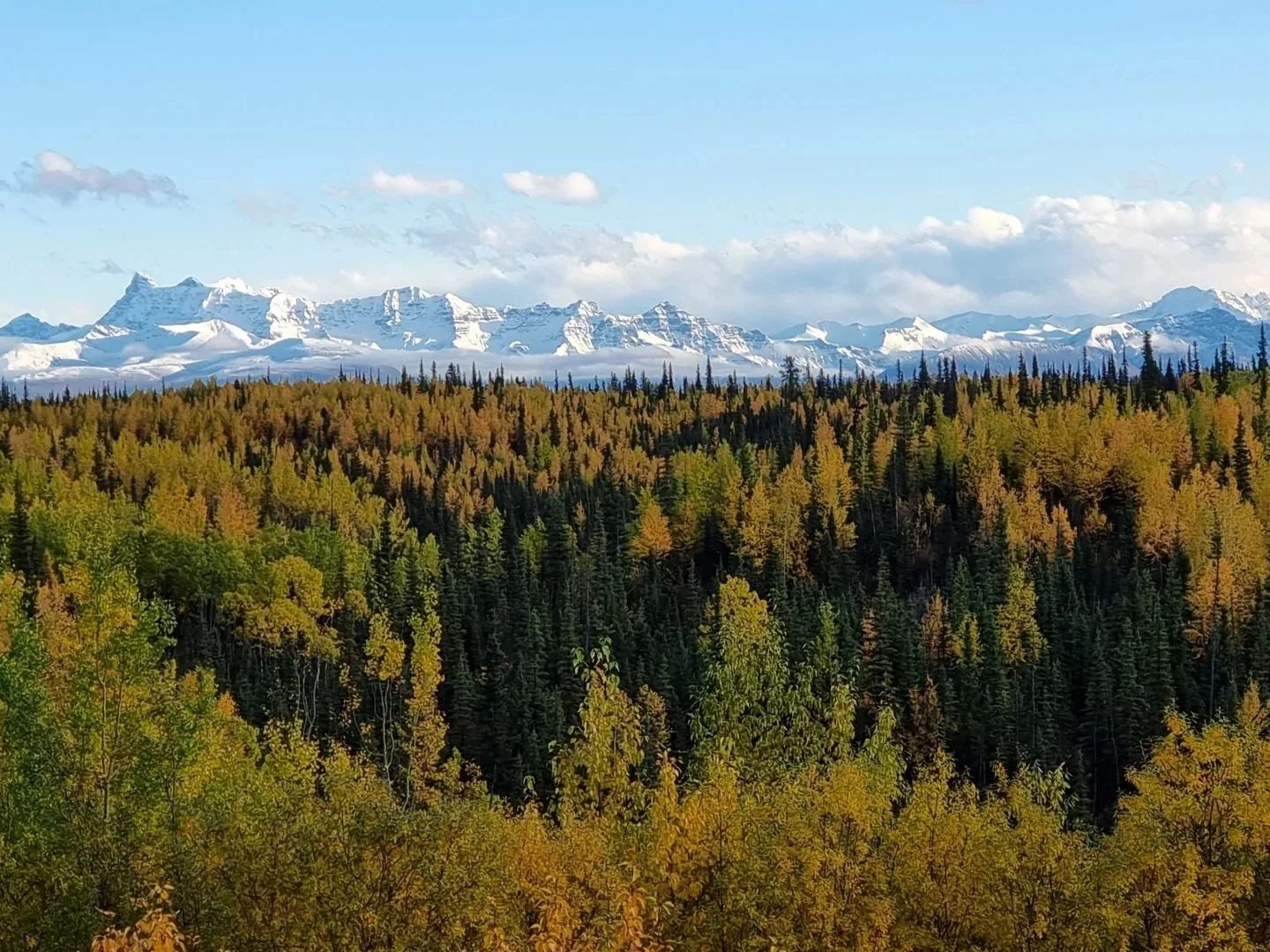
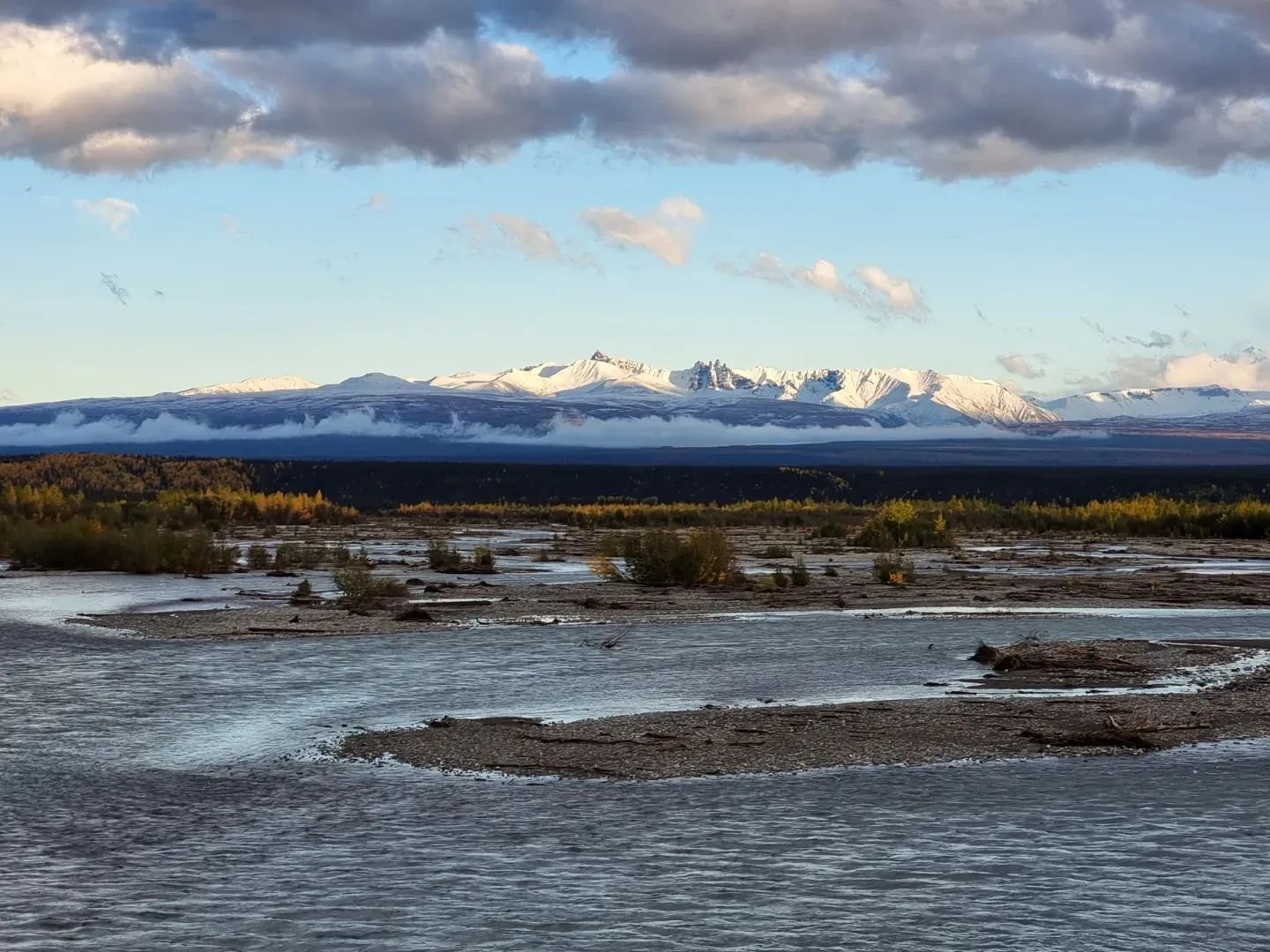
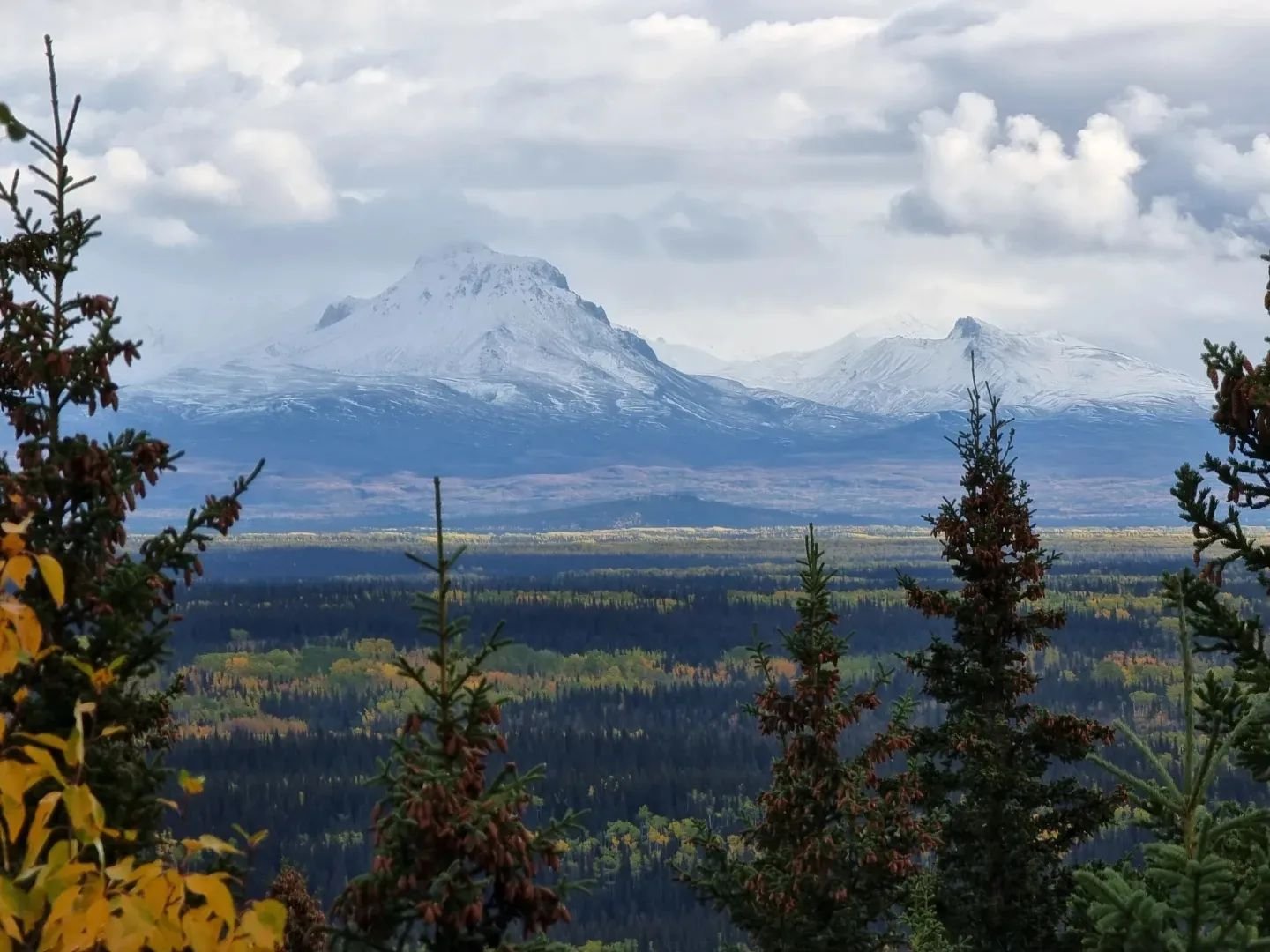
Tok is an outdoorsperson’s paradise: in all directions, wild lands teem with birds, mammals, and fish. The world-famous Fortymile National Wild and Scenic River area, which inspired the likes of Jack London, lies to the north, while the Mentasta and Wrangell Mountains lie to the south. Residents embrace a real frontier lifestyle, and there’s plenty of bird watching, camping, hiking, fishing, float trips, and other exploring to be done in the area. Boat cruises on the scenic Tanana River are a great way to explore the landscapes around Tok.
In town, attractions include gold panning, museums, restaurants, shops, and horseback riding. Tok also serves as the gateway to Tetlin National Wildlife Refuge and is home to the U.S. Fish and Wildlife Service Refuge Visitor Center.
Tok has a wonderful Fourth of July celebration with a parade, picnics, crafts, art fair, three-legged race and other games for children, and a few non-traditional ones for adults such as the greased pole and outhouse race. The day usually ends with live music and dancing.
History
The origin of the town’s name is still a lively debate in Alaska. Some believe it is named after the nearby Tokai River, which in 1901 was recorded as the Tok River by the U.S. Geological Survey. The town was founded in 1942 as a construction camp for the Alaska Highway and those working on the highway spent so much money in the camp’s construction and maintenance that it earned the name “Million Dollar Camp.” Others believe it was first called Tokyo Camp which was later shortened to Tok, and some believe it was named after a husky pup that belonged to the U.S. Army Corps of Engineers in charge of building this section of the Alaska Highway.
Plan Your Trip
Filter Your Trip
There are currently no listings that meet this criteria at this time.

Local Climate & Weather
For Alaska's day-to-day weather, it’s best to plan for a bit of everything. Learn more about weather in this area.
Travel Inspiration
#TravelAlaska
#TravelAlaska
 @davy.vermeiren
 @foto_obiezyswiatka
 @davy.vermeiren
 @davy.vermeiren
 @davy.vermeiren