

Kodiak
About Kodiak (SugpiaQ: Sun'aq)
The city of Kodiak sits on Kodiak Island, which at 3,670 square miles and more than 100 miles long is Alaska's largest island and the second-largest island in the United States. Known as the Emerald Isle, Kodiak’s verdant landscape and abundant outdoor opportunities make it a popular choice for nature enthusiasts.
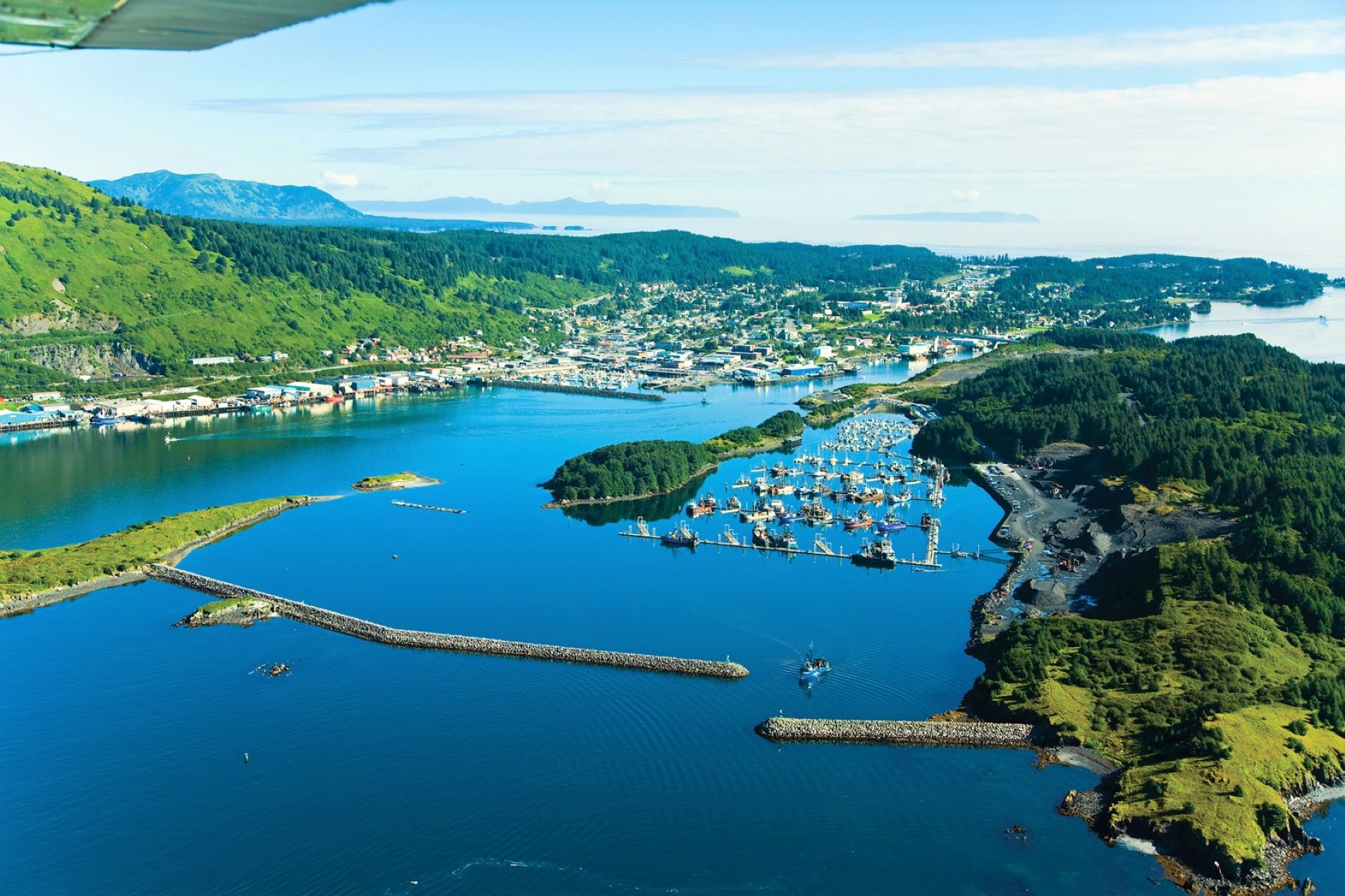
The pulse of Kodiak beats along the waterfront and in its boat harbors: Alaska Marine Highway ferries dock right downtown and fishing boats dock in the nearby St. Paul Boat Harbor. More boats dock across the channel at St. Herman Harbor on Near Island, and an afternoon on the docks can lead to friendly encounters with fishermen and the chance to see them unload their catch.
HISTORY of Kodiak
The Alutiiq/Sugpiaq people have inhabited the Kodiak area for more than 7,000 years. In the mid 1700s, the island was visited by a Russian explorer, ushering in the island’s Russian period. Kodiak was the first capital of Russian-controlled Alaska, and was an important location in the lucrative fur trade. A former storehouse of fur pelts owned by the Russian American Company in downtown Kodiak now houses the Kodiak History Museum, which is a great place to learn more about the area’s history. The building, constructed in 1808, is the oldest standing building in the state of Alaska.
Once a struggling fishing port, World War II turned the island of Kodiak into a major staging area for North Pacific operations. At one point Kodiak's population topped 25,000, with Fort Abercrombie built as a defense post to protect the naval base that was constructed in 1939. Today, the old naval base is the site of the largest Coast Guard base in the country.
Kodiak’s famed cloudy weather spared it from a Japanese attack during World War II but the city wasn’t so lucky during the Good Friday Earthquake of 1964, which leveled its downtown area and wiped out its fishing fleet. Today, Kodiak is among the top three fishing ports in the country and home to 650 boats, including the state's largest trawl, long-line and crab vessels, and 12 shore-based processors.
Getting to Kodiak
The quickest way to get to Kodiak is via a connecting flight through Anchorage. Alaska Airlines, along with its partner airline Ravn Air, operate multiple flights between Anchorage and Kodiak each day. The flight from Anchorage takes about an hour.
If you have a little more time in your itinerary and want to take the scenic route, hop on the state ferry in Homer on the Alaska Marine Highway System. Depending on the ferry schedule, the trip from Homer to Kodiak will take a full day or overnight. You can drive a vehicle on the ferry or walk on.
Things to Do in Kodiak
Outdoor Activities
More than 100 miles of paved and gravel roads head from the city into the wilderness that surrounds Kodiak. Some of the roads are rough jeep tracks, manageable only by four-wheel drive vehicles, but many can be driven to isolated stretches of beach, great fishing spots, outstanding coastal scenery, and secluded campgrounds.

PARKS & PUBLIC LANDS
The island’s best-known park is the Kodiak National Wildlife Refuge. The 2,812-square-mile refuge encompasses two-thirds of Kodiak Island and includes a diverse habitat that ranges from rugged mountains and alpine meadows to wetlands, spruce forest, and grassland. The refuge has outstanding fishing, but the most popular activity is bear viewing.
Kodiak National Wildlife Refuge is home to 3,500 bears, with males that normally weigh in at more than 800 pounds but have been known to exceed 1,500 pounds and stand more than 10 feet tall. The refuge has no roads, so bear viewing is done as a day tour with an air charter or flightseeing operator. Or, plan a multi-day bear viewing excursion from one of remote wilderness lodges on the island, such as Alaska Native-owned Kodiak Brown Bear Center & Lodge. The Kodiak National Wildlife Refuge Visitor Center is located in downtown Kodiak with exhibits on the area’s wildlife and ecosystems.
Fort Abercrombie State Historical Park is a popular spot for learning more about the island’s World War II history. The fort was built during the war and now features a campground and the Kodiak Military History Museum, located inside the Ready Ammo bunker. The historic ruins of the World War II coastal defense installation along with the steep surf-pounded cliffs, deep spruce forests, wildflower-laden meadows, and a lake make this park a fascinating place to spend an afternoon.

BEAR VIEWING
Watching giant Kodiak brown bears is one of the most popular activities on Kodiak Island. The best time to see brown bears is July, August, and September, when the salmon runs are at their best. Most visitors join flightseeing trips that fly to remote areas to view the bears feasting on salmon in streams and lakes. Some boat charters, kayak outfitters, and photography tours also specialize in bear and wildlife viewing. To maximize your time spent viewing bears, stay at one of the island's many wilderness lodges for a multi-day bear viewing adventure. While most bear viewing flightseeing trips explore the island, some fly to the nearby Katmai National Park on the Alaska Peninsula, just to the west of the Kodiak Island on Alaska's mainland.
FISHING
With easy access to the ocean and many rivers and lakes, Kodiak offers endless opportunities for both saltwater and freshwater fishing. Join a full-day or half-day fishing charter and let the experts take you to the best spots for halibut, salmon, rockfish, cod, and trout. Or, book a multi-day itinerary from one of the area’s many remote lodges to package accommodations, meals, fishing, and other activities.

WHALE WATCHING
Kodiak rivals any other place in Alaska for viewing the world's largest mammals. Gray whales migrate through the area in April on their journey north, and fin, minke, and humpback whales can be seen June through November. Local charter boats are available for whale watching and other marine wildlife tours. You can also spot whales from cliffsides or beaches on Kodiak Island including Miller Point at Ft. Abercrombie State Park, Surfer Beach, and Fossil Beach.
Hiking
Kodiak’s moss-covered trees, dramatic coastline, and rolling green hillsides make it an ideal hiking destination – weather you’re trekking through the forest or climbing a mountain. The best easy hikes close to town are at Fort Abercrombie State Historical Park and the Near Island Trail System. Located just outside of town, Fort Abercrombie has several trail options that take you through dense Sitka spruce forest to rocky coastline views, featuring wildlife viewing, World War II history, and panoramic ocean views. Even if you don’t have a car, you can still access a wonderful trail system within walking distance of downtown Kodiak: the Near Island Trail system. Simply walk cross the Alimaq Bridge from town and you’ll have immediate access to several miles of trail on the North End and South End trails. From these trails you’ll have the opportunity to explore hidden coves, mossy forest, and get views of Kodiak and the surrounding area from observation decks.
If you have a car, head out to the end of the road system to hike Termination Point, a moderate out-and-back trail that hugs the coastline for dramatic coastal and mountain views. Those looking for more of a challenge can ascend one of the peaks surrounding Kodiak for 360 panoramic views of the island-dotted coastline and endless stretches of mountains. Popular climbs include Pyramid Mountain, Monashka Mountain, and Old Woman’s Mountain.
MOUNTAIN BIKING
Kodiak's gravel roads are made for mountain bikers. The most interesting to ride on the island is the 12-mile Anton Larsen Bay Road. The road departs from near Buskin River Campground and heads northwest to cross a mountain pass and end at Anton Larsen Bay on the island's west side, where you will find quiet coves and shorelines to explore. Shops in Kodiak can provide trail maps and rent bikes.
KAYAKING
With its many bays, protected inlets, scenic coastline, and offshore rookeries, Kodiak is a kayaker's dream. A number of local outfitters offer fully equipped and guided kayak tours that last an afternoon to several days. Some even specialize in whale-watching kayaking tours.

MUSEUMS
Preserving the 7500-year heritage of Kodiak's Indigenous Alutiiq/Sugpiaq people is the Alutiiq Museum. The exhibits display one of the largest collections of Alutiiq/Sugpiaq artifacts in the state. A museum store features unique jewelry, art, and books on Alaska Native history. Check their event calendar for special events, classes, publications, and lectures.
The Kodiak History Museum preserves Kodiak's rich history, beginning with the Alutiiq/Sugpiaq culture and the Russian colonial period to the early American era, World War II, and today's fishing industry. The museum is located within Kodiak's 200-year-old National Historic Landmark building known as the Russian American Magazin, or the Erskine House. A museum store offers a broad selection of Russian arts and crafts.
The pulse of Kodiak can be found in St Paul Boat Harbor, located right downtown. Lining the sidewalks of the harbor is Kodiak Maritime Museum, a "museum without walls.” This unique museum features a series of interesting maritime displays above the docks, giving visitors a better understanding of the state's commercial fishing industry and the abundant marine resources.
Built in 1945, the Holy Resurrection Cathedral and its beautiful blue onion domes is one of the most distinctive structures in Kodiak. Free tours of this Russian Orthodox church are occasionally offered while its gift shop is stocked with matreshkas (nesting dolls), religious books, and icons.

FESTIVALS
The Kodiak Crab Fest is the island's best event. First held in 1958 to celebrate the end of crabbing season, the weeklong festival in late May features parades, a blessing of the fleet, foot and kayak races, fishing-skills contests, and a lot of king crab.
In April, the Kodiak Whale Fest celebrates the return of gray whales to Alaskan waters. Kodiak is one of the best locations to see the thousands of gray whales along their migration route from Mexico to their summer feeding grounds in the Bering Sea. Festival activities include lectures, music, art, environmental forums, and boat tours that venture out to view the whales on their epic migration.
WINTER ACTIVITIES
While weather conditions can be harsh, you can still get out and experience the sights and rich history of Kodiak in winter. Kodiak’s museums are open year-round and tell the stories of Indigenous Alutiiq/Sugpiaq people, Russian history, and the island’s role in WWII. Some fishing is available year-round and you can sightsee along the road system and Fort Abercrombie State Historical Park and Buskin River State Recreation Area. The northern lights are visible from Kodiak, though you have better chances of seeing them in the Alaska’s Interior and Arctic regions.

Lodging & Dining in Kodiak
Kodiak offers a wide variety of types of accommodations, from downtown hotels to remote lodges. Several bed and breakfasts are available in and around Kodiak, offering comfort, peace and quiet, and often featuring beautiful views of the ocean and stunning coastline. If you’re interested in getting off the beaten track, try one of the area’s many remote wilderness lodges. These full-service lodges offer multi-day packages that include boat or plane transportation from Kodiak to beautiful locations, accommodations in lodge guest rooms or private cabins, meals, and activities including bear viewing, fishing, and hiking.
When looking for a place to eat in Kodiak, it’s all about the seafood. Fresh fish, crab, scallops, prawns, and more are featured on the menus of most Kodiak restaurants. Several casual eateries, coffee shops, a local brewery/distillery, and a hard cider tap room can all be found within walking distance of downtown Kodiak.
Plan Your Trip

For over 93 years, Alaska Airlines has been connecting the villages of Alaska, with a now global reach. We serve 20 communities within the state...
UnCruise defines adventure in Alaska. Moss and moose, thunderous glaciers and tufted puffins—Alaska is full of surprises. The birthplace of...
Kodiak Alaskan Adventures is your one-stop shop for adventure. We understand that planning an Alaskan vacation can be daunting and overwhelming...

Local Climate & Weather
For Alaska's day-to-day weather, it’s best to plan for a bit of everything. Learn more about weather in this area.
Travel Inspiration
#TravelAlaska
#TravelAlaska
 @maidenlessdes
 @maidenlessdes
 @maidenlessdes
 @krisluckphoto
 @i_am_pugal


