Galena
Galena is situated on the north bank of the Yukon River, 270 miles west of Fairbanks in the heart of the western Interior. A community about 500 residents, the majority of whom are Koyukon Athabascans, Galena can see temperatures higher than 90 degrees in the summer and sustained bouts of minus 40 degrees in the winter. The record low is 64 below zero. The village is not connected to any other communities by road, so the Yukon River is the main way people get to Galena from neighboring villages. It is ice-free from mid-May through mid-October when barges ship in most of the supplies, fuel, and other necessities residents need; in winter, the frozen Yukon is an ice road to the villages of Ruby, Koyukuk, Kaltag, and Nulato.
Things to Do
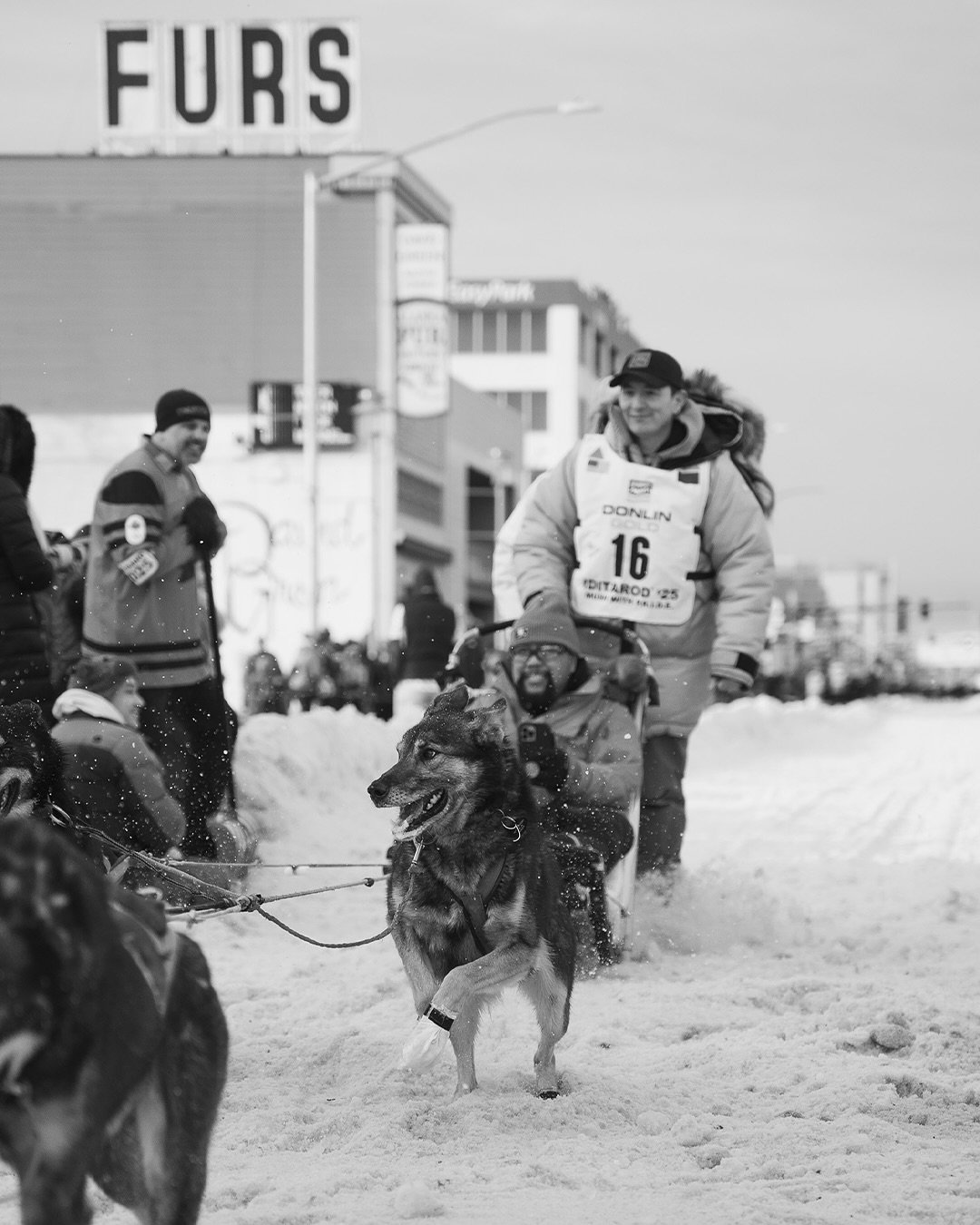
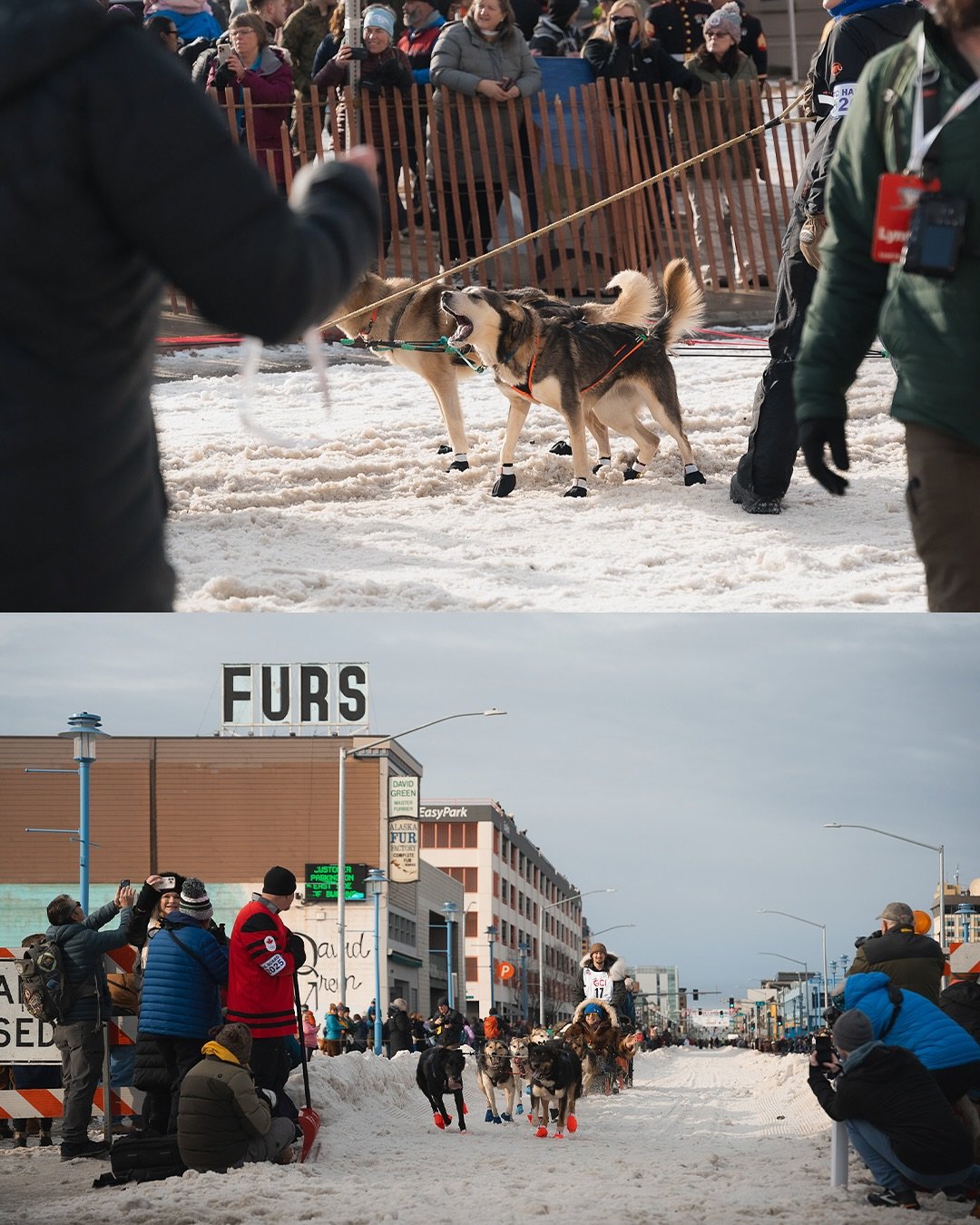
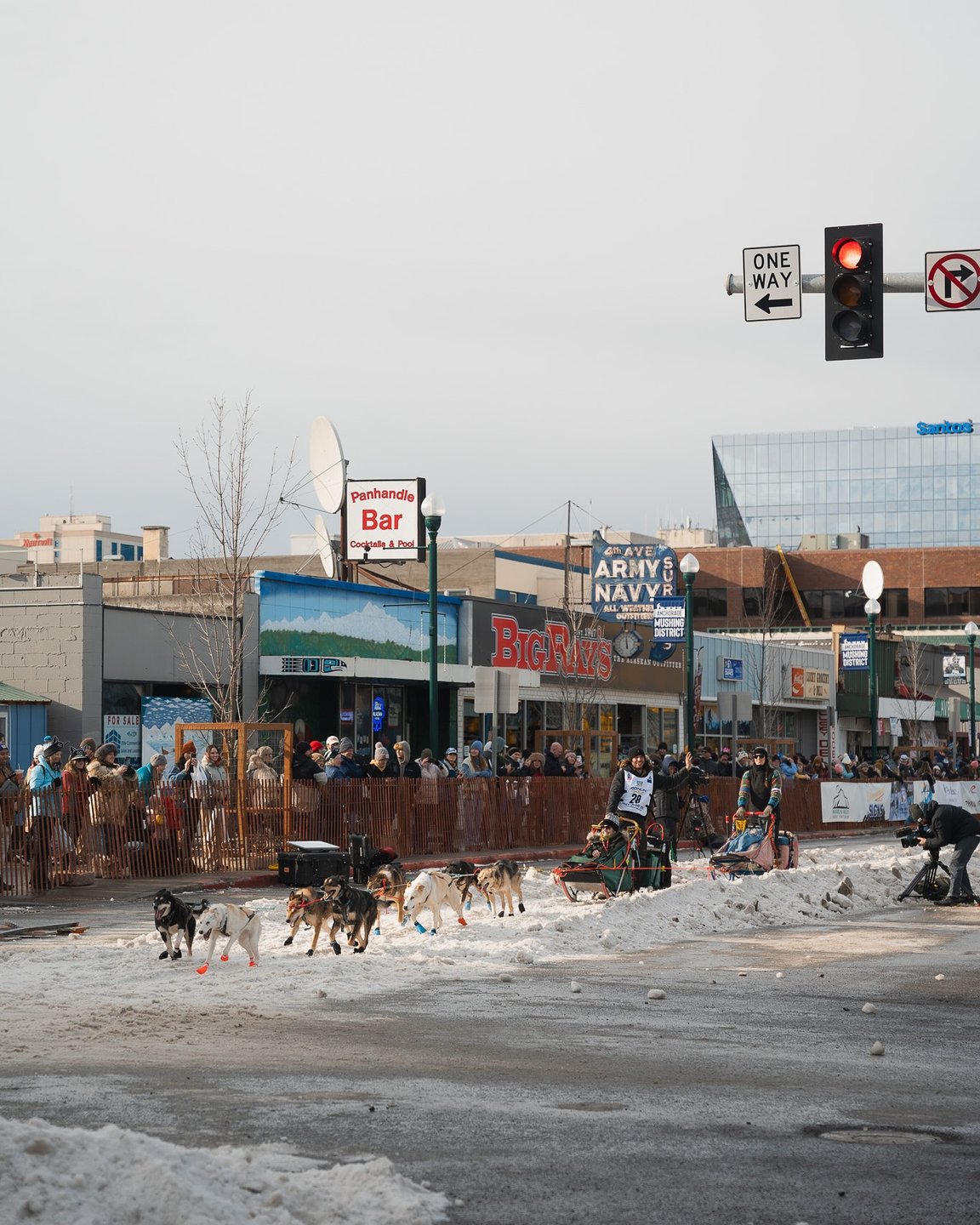
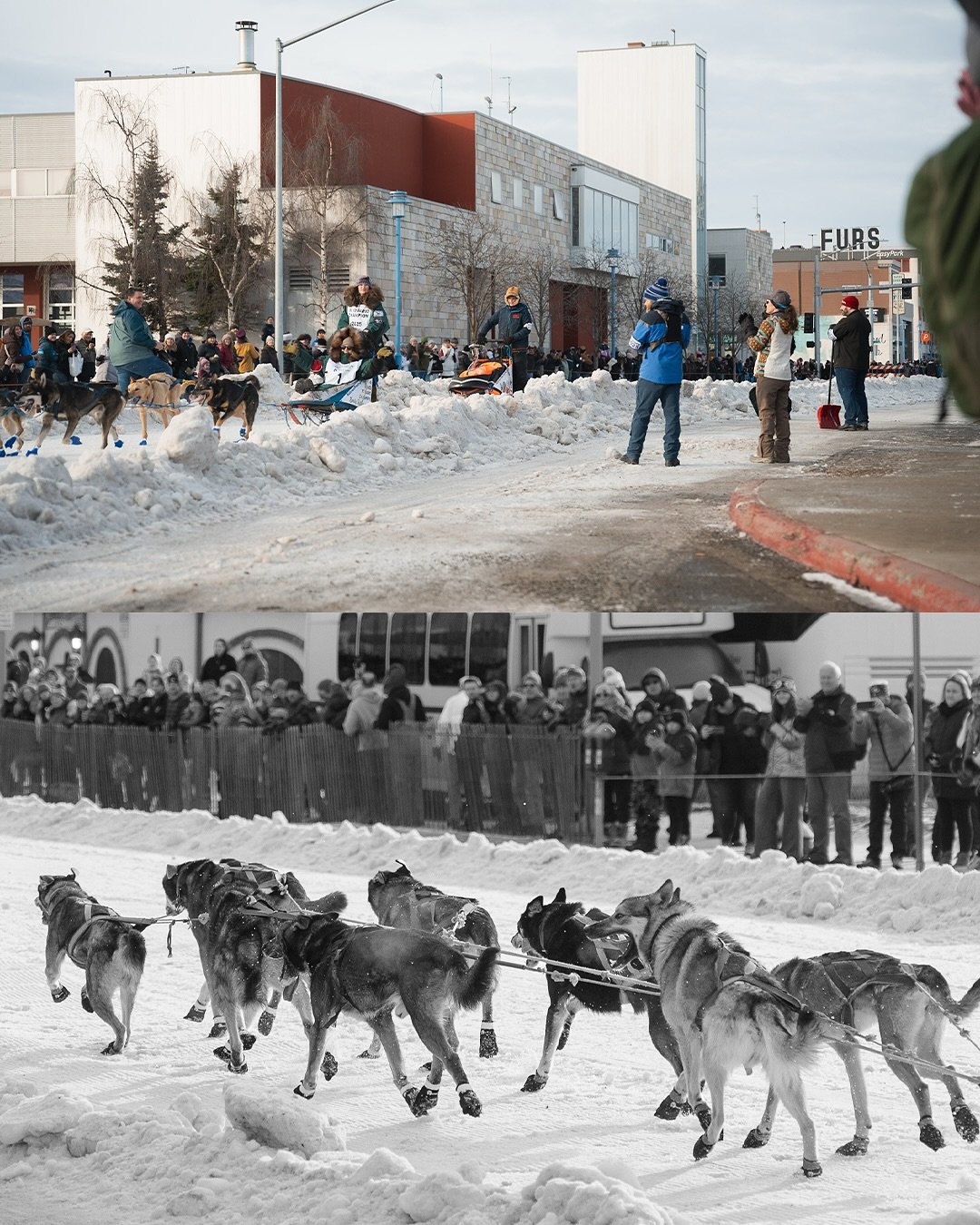
Every other March, Galena is one of 26 checkpoints for the Iditarod Trail Sled Dog Race (the race alternates routes each year, and Galena is on the race’s northern route). The Iditarod is one of Alaska’s most popular sporting events and the race brings mushers, volunteers, and race fans to Galena. More than 50 mushers race 16-dog teams along a 1,100-mile route from Willow to Nome, stopping to check-in with race officials in Galena.
The community is also a stopping point on the Iron Dog Race, an off-road snowmobile race that stretches over 2,600 miles across Alaska. The snowmobile event begins in Big Lake and heads to Nome, where the Expedition Route ends. Participants of the Pro Route will continue on to loop north around Kotzebue before heading back to Big Lake.
In June, Galena is the turnaround point for the Yukon 800 Mile Marathon speed riverboat race. The two-day boat race begins in Fairbanks is often called "the longest, roughest, and toughest speed boat race in the world."
Galena is a staging community for adventures into three nearby National Wildlife Refuges: the Koyokuk, Nowitna, and Innoko National Wildlife Refuges. These refuges are part of the vast roadless region that makes up much of northern and western Alaska. Visitors can arrange float or fishing trips and charter small aircraft to start their wilderness adventures.
Getting to Galena
Regional air carriers and air taxis operate flights from Fairbanks and Anchorage to Galena. The community is not on the road system so you cannot drive there. There are limited visitor services in Galena including a handful of bed & breakfasts and guest houses, a coffeeshop, pub, and post office.
Plan Your Trip
Filter Your Trip
There are currently no listings that meet this criteria at this time.

Local Climate & Weather
For Alaska's day-to-day weather, it’s best to plan for a bit of everything. Learn more about weather in this area.
Travel Inspiration
#TravelAlaska
#TravelAlaska
 @wanderingwiththewilmores
 @wanderingwiththewilmores
 @carly_on_the_kenai
 @carly_on_the_kenai
 @carly_on_the_kenai