Dillingham
Dillingham is a full-service community in Southwest Alaska that welcomes both the commercial fishing industry and a sizeable number of summer visitors in search of some of Alaska’s best sportfishing and wildlife viewing.
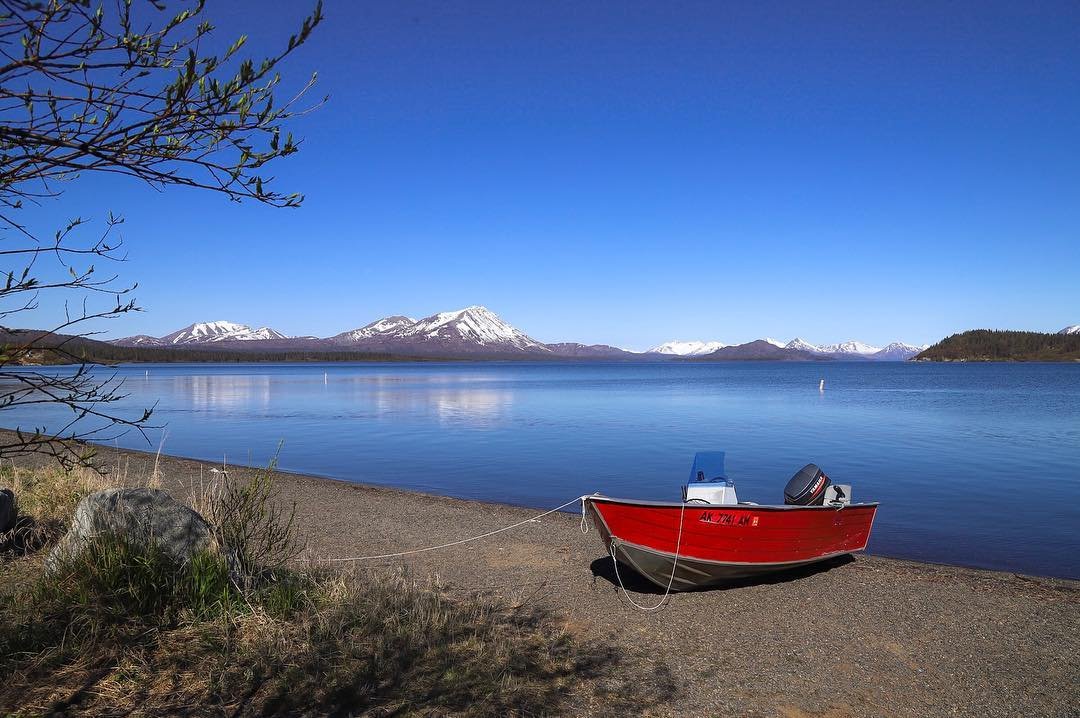
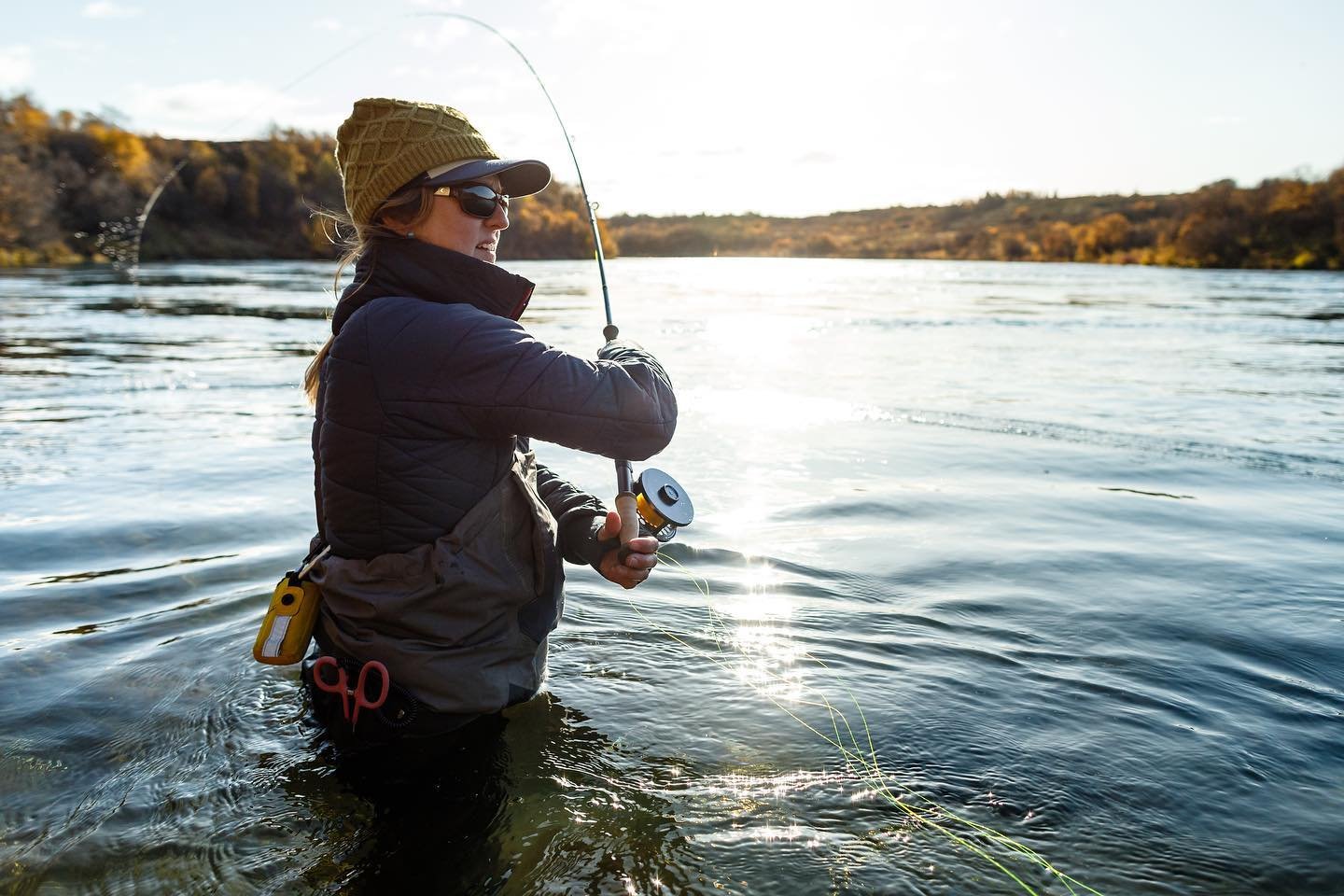
Dillingham is home to about 2,200 residents who live on the edge of the largest state park in the country, Wood-Tikchik State Park, and enjoy some of the best sportfishing in the entire state. All five species of Pacific salmon along with freshwater rainbow trout, Arctic char, and Dolly Varden are abundant in the Wood and Tikchik systems of lakes and rivers.
Strategically situated at the head of Nushagak Bay and along the mouth of the Wood and Nushagak Rivers, Dillingham has become the economic and transportation hub of western Bristol Bay. Thanks to the rich fisheries of Bristol Bay, Dillingham is the fastest growing community in the region, supporting 230 commercial fishing licenses and four fish processing plants whose workers double the city’s population in the summer.
Things to Do
Dillingham and the many surrounding wilderness areas are popular with outdoor recreationalists who want to enjoy remote wilderness, sportfishing, solitary lakes, quiet rivers, and unparalleled wildlife viewing.
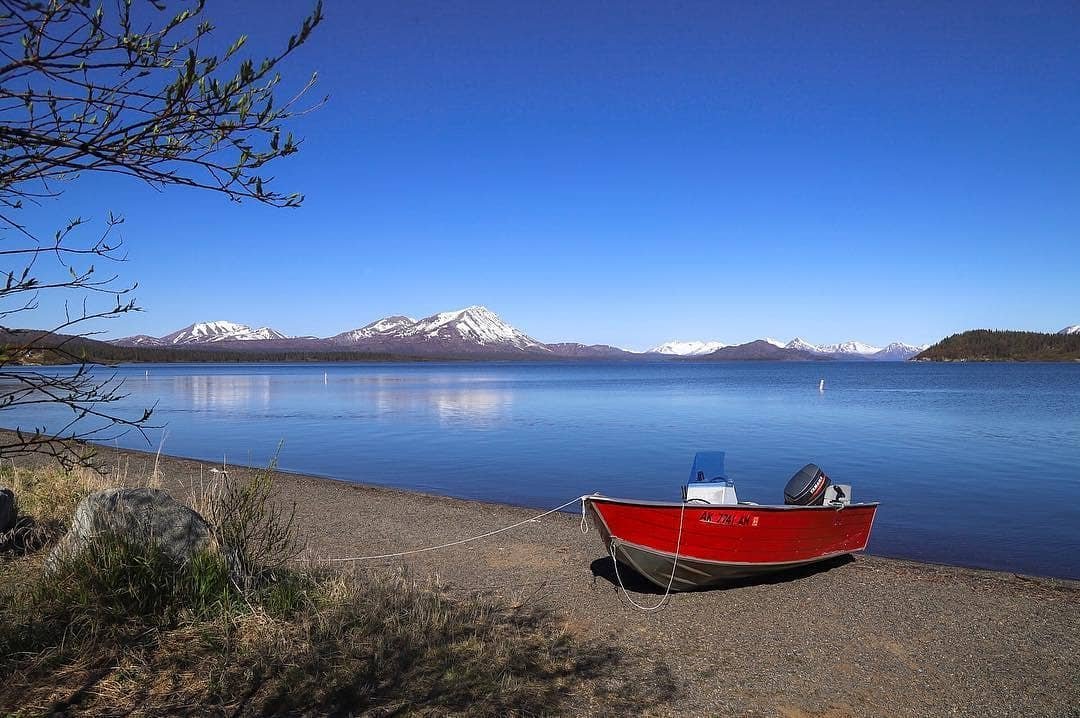
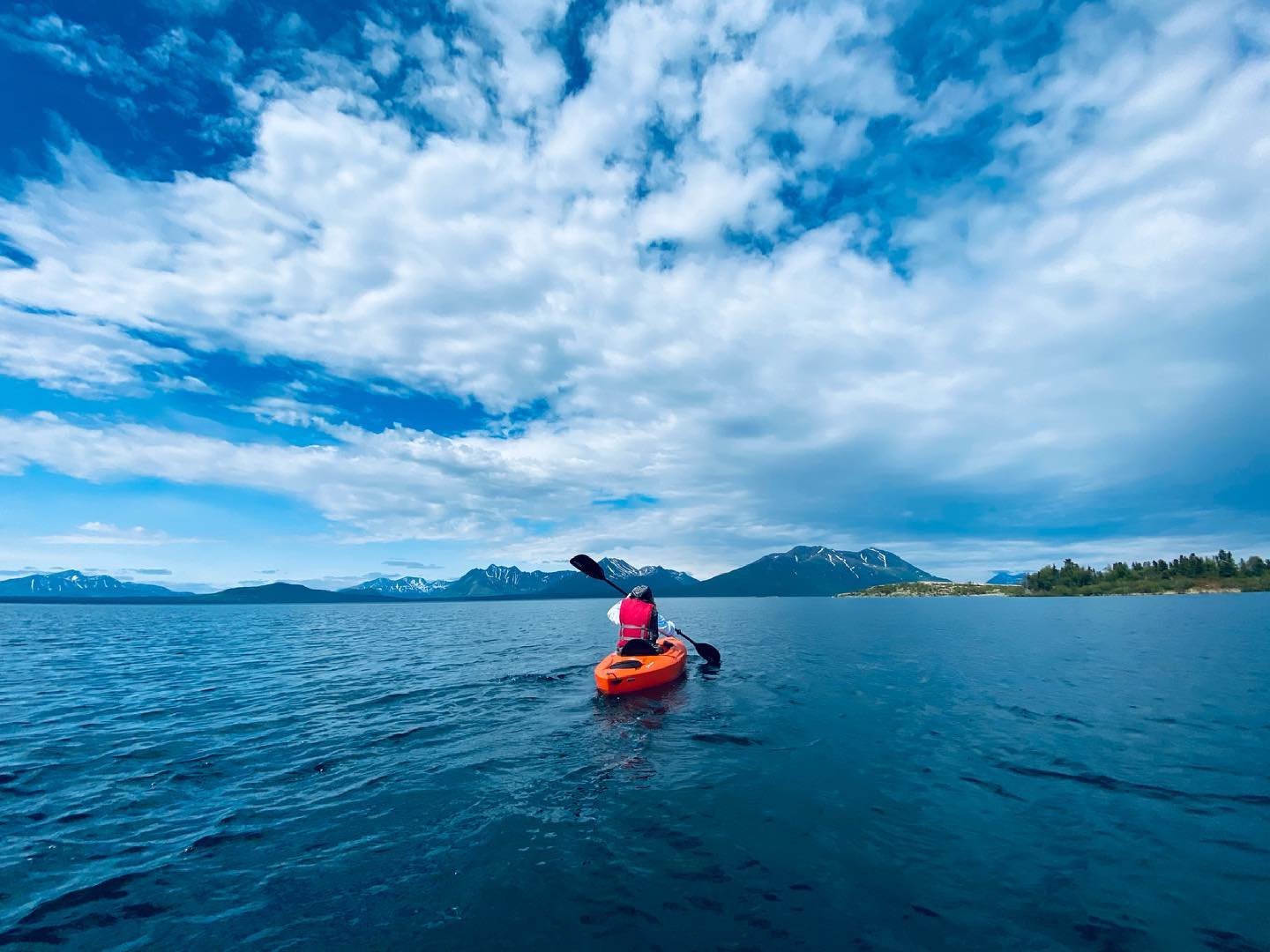
Wood-Tikchik State Park is spread over 1.6 million acres and named for its two separate systems of large, interconnected clear-water lakes. Bordered by the Nushagak lowlands on the east and the Wood River Mountains to the west, the two systems of lakes span a variety of terrain and are renowned for their diverse beauty. Other than a handful of fishing and hunting lodges in and around the park, Wood-Tikchik is an undeveloped wilderness that attracts kayakers, canoers, and rafters. Visitors are usually totally self-sufficient and reach the park by air taxi from Dillingham or charter boat from the village of Aleknagik.
The small village of Aleknagik is located on Lake Aleknagik, accessible by a 25 mile drive north from Dillingham. Lake Aleknagik State Recreation Site is the departure point for visitors to Lake Aleknagik and Wood-Tikchik State Park. Limited accommodations are available in Aleknagik including a couple of lodges and the the Wood-Tikchik Park Ranger Station.
Walrus Islands State Game Sanctuary is another popular spot near Dillingham. The sanctuary is made up of a group of seven craggy islands and their adjacent waters located in northern Bristol Bay southwest of Dillingham. Best known among the Walrus Islands is Round Island, the largest walrus haul-out grounds in Alaska, where each summer as many as 14,000 male walruses haul out on exposed, rocky beaches to stake out their territory for the upcoming mating season. Other wildlife are also plentiful in the sanctuary, including Steller sea lions, migrating whales, orcas, puffins, and thousands of other seabirds. Camping is available on Round Island, but the number of campers is limited to ensure the walruses are not disturbed, so be sure to make arrangements with the Alaska Department of Fish and Game.
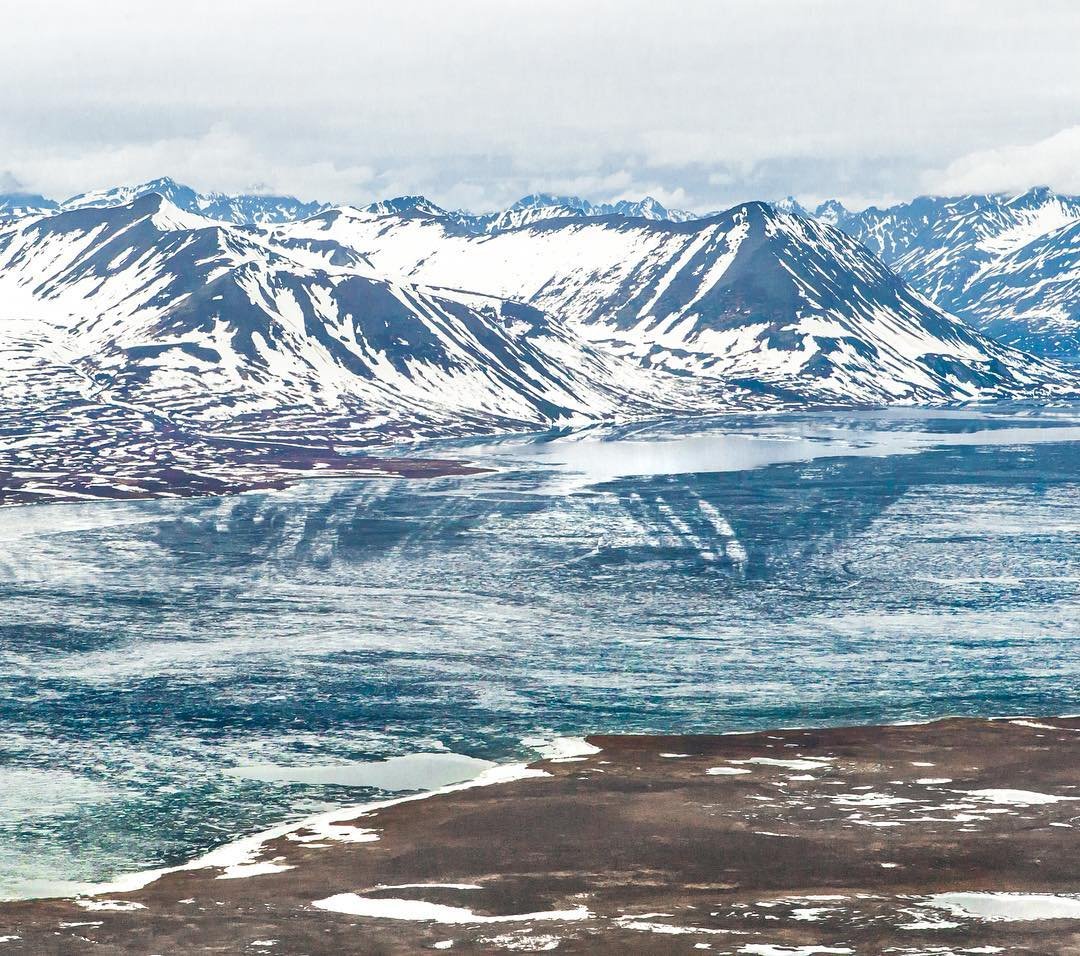
Dillingham is also the hub for many of the air taxis that operate within Togiak National Wildlife Refuge. The 4.7-million-acre refuge features pristine rivers, clear mountain lakes, and steep-sloped mountains, and stretches from the Bering Sea to the treeless tundra uplands of the Ahklun and Wood River mountains.
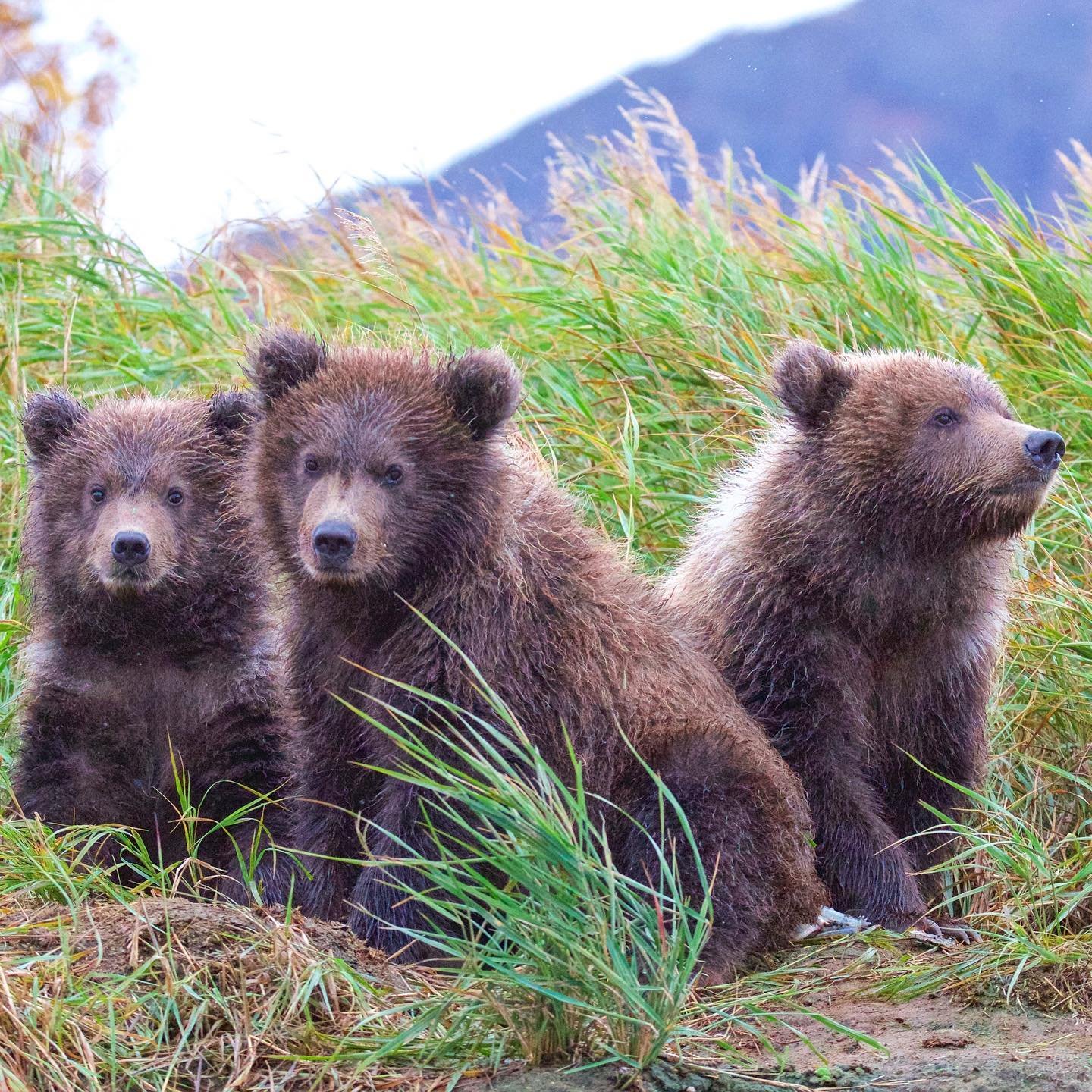
The main activities in the refuge are float trips and sport fishing. The refuge offers some of the finest salmon and trout fishing in Alaska; all five species of Pacific salmon can be found there. The refuge also provides habitat for at least 201 staging, migrating, or breeding bird species while brown bear, moose, and caribou attract sport hunters to the area. Along the refuge’s coastline between June and October, up to 12,000 male walruses may haul out on Cape Pierce, one of the two largest regularly-used terrestrial haulouts for Pacific walrus in the United States.
Several fishing lodges are located within easy access of Dillingham, offering all-inclusive packages including meals, accommodations, an excursions to fishing hot spots in nearby rivers and lakes.
In town, the Sam Fox Museum features permanent displays that focus on the history of Dillingham, from exploration of Bristol Bay and the fishing industry to trapping, along with Alaska Native artwork. In late March, the town hosts the Beaver Round Up Festival, a five day event centered around the Western Alaska Championship Sled Dog Races and a variety of other events including Biggest Beaver Pelt Contest, snowmobile races, and an outhouse race.
The town of Dillingham has visitor services including inns and B&Bs, a few restaurants, fishing supply stores, and two grocery stores.
Getting to Dillingham
Dillingham is not on the road system and the only way to get there is by air. Alaska Airlines offers daily non-stop flights between Anchorage and Dillingham. Air charters and air taxi services also offer transportation to Dillingham.
Plan Your Trip
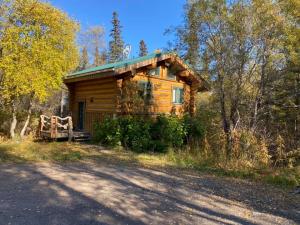
Beaver Creek Bed & Breakfast is located in Dillingham, in the Bristol Bay area of Alaska. Beaver Creek Bed & Breakfast offers several lodging...
For over 93 years, Alaska Airlines has been connecting the villages of Alaska, with a now global reach. We serve 20 communities within the state...

Local Climate & Weather
For Alaska's day-to-day weather, it’s best to plan for a bit of everything. Learn more about weather in this area.
Travel Inspiration
#TravelAlaska
#TravelAlaska
 @thrifty_fit
 @alaskan.shutterclicks
 @livestronghm
 @alaskafromabove
 @phelps_406