Chickaloon
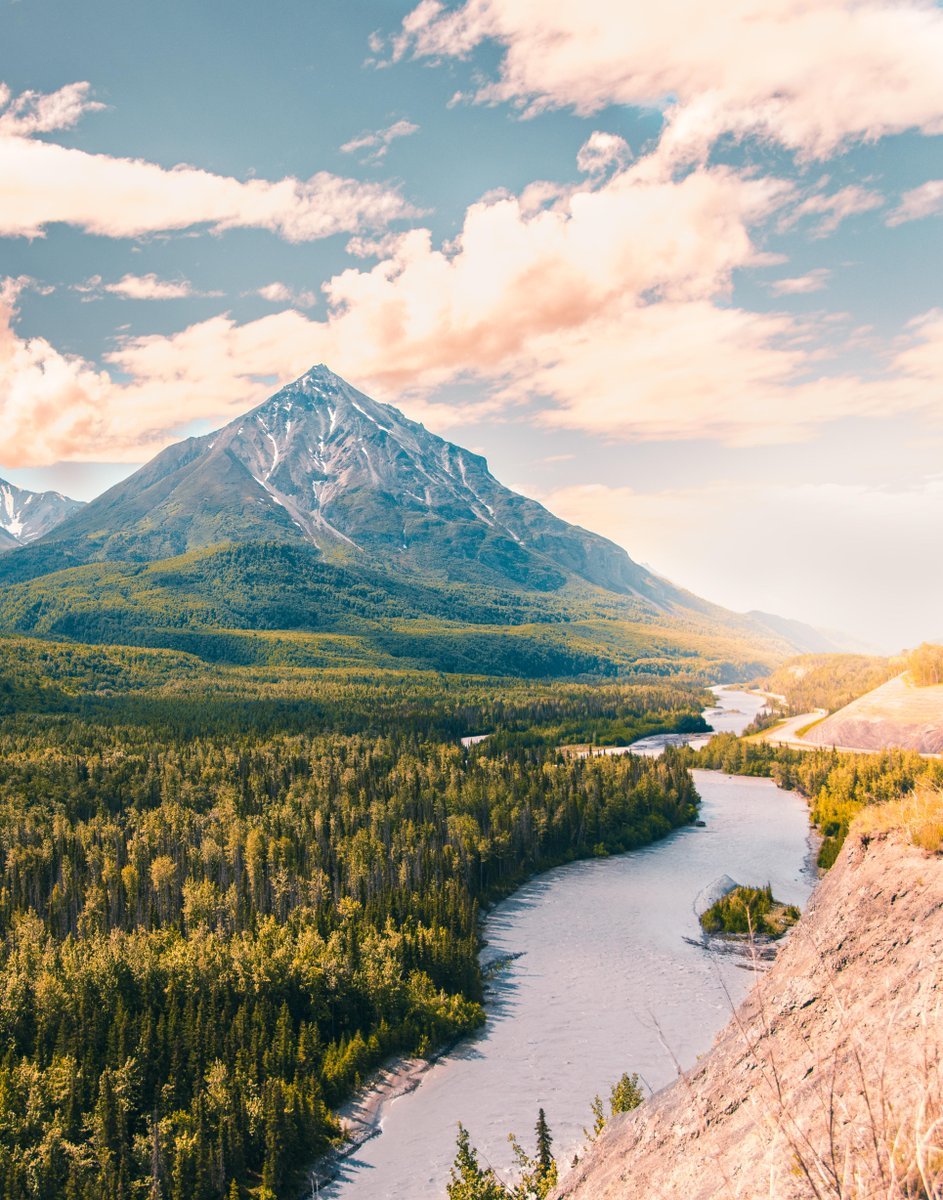
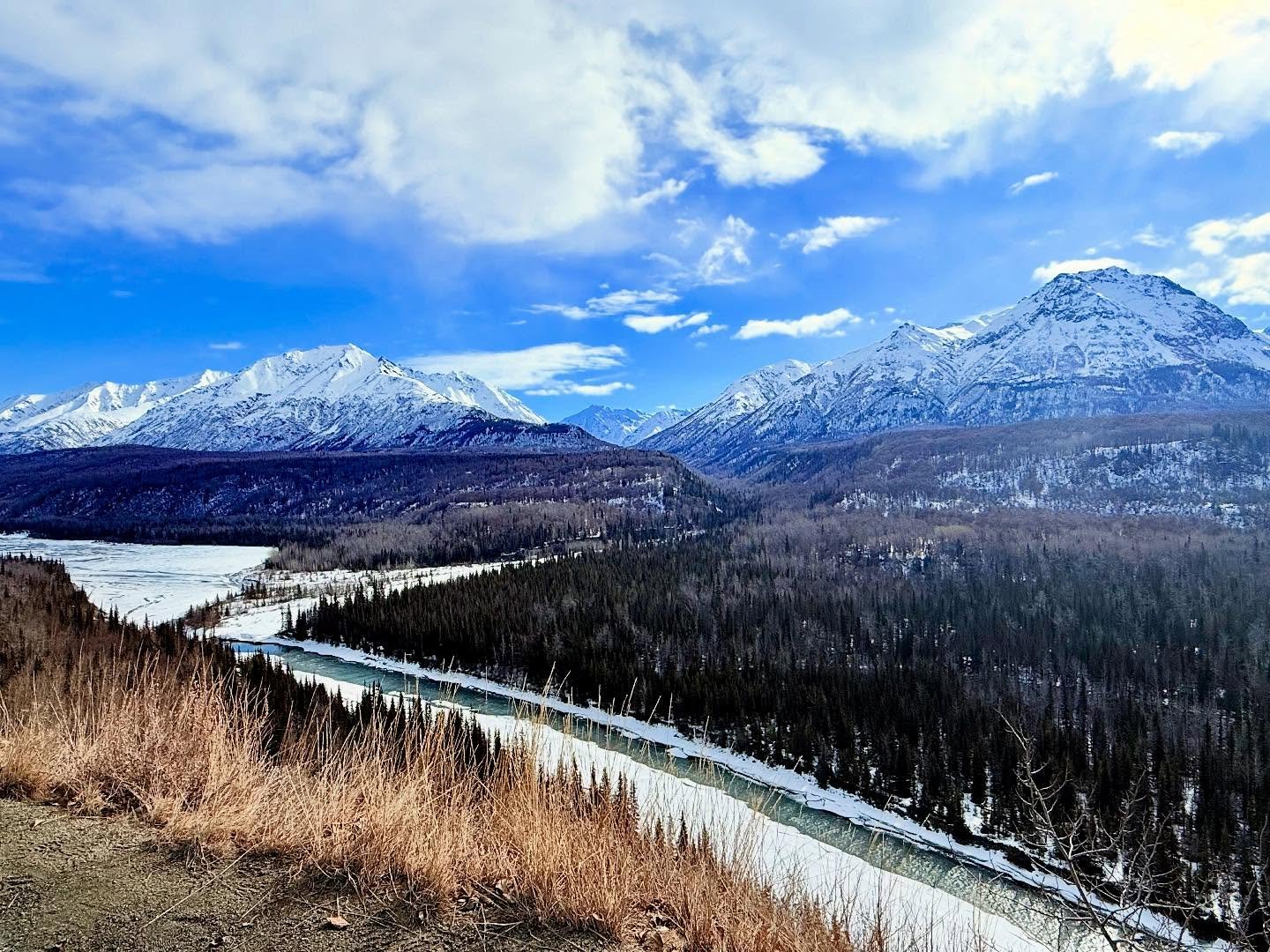
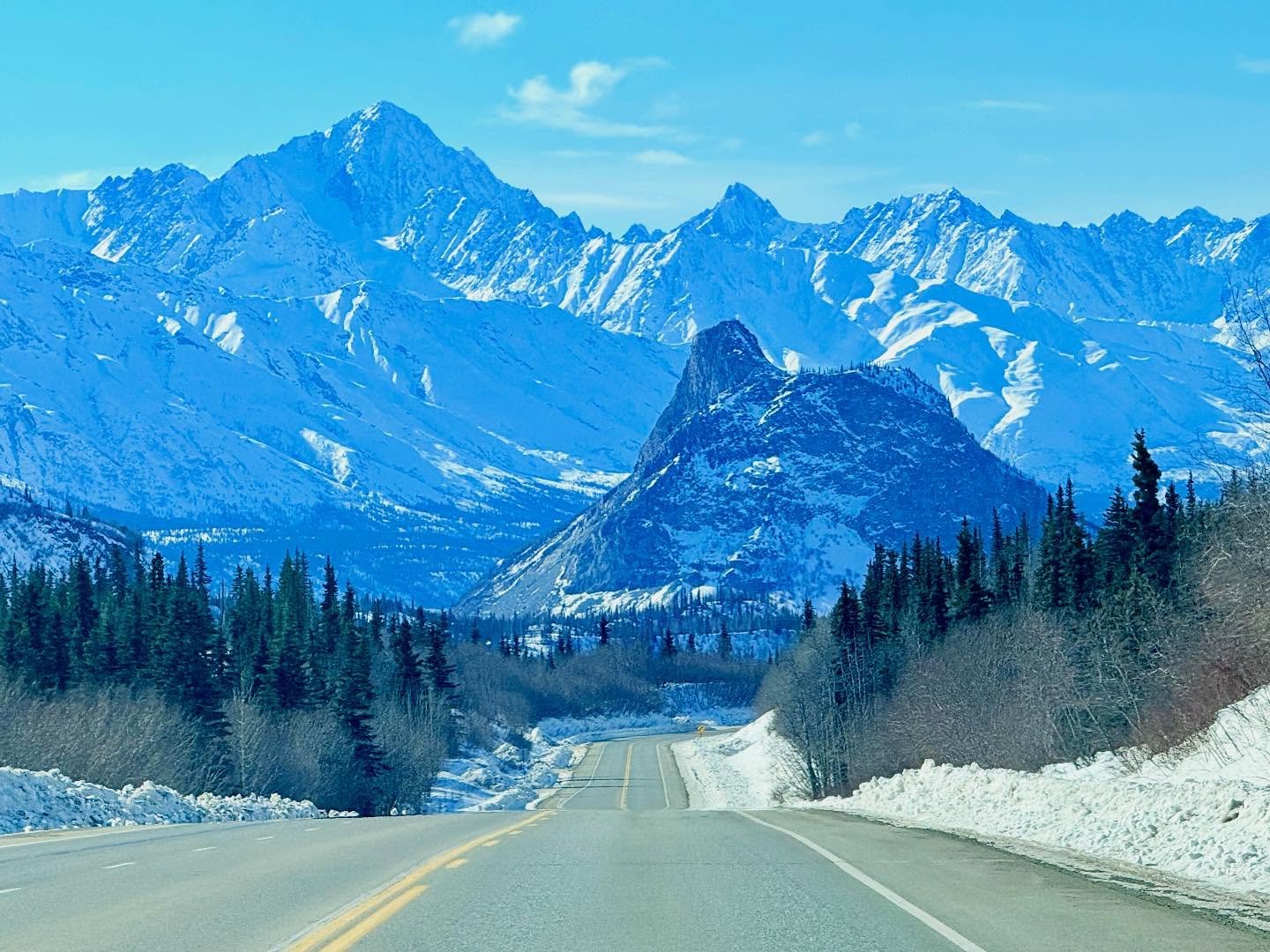
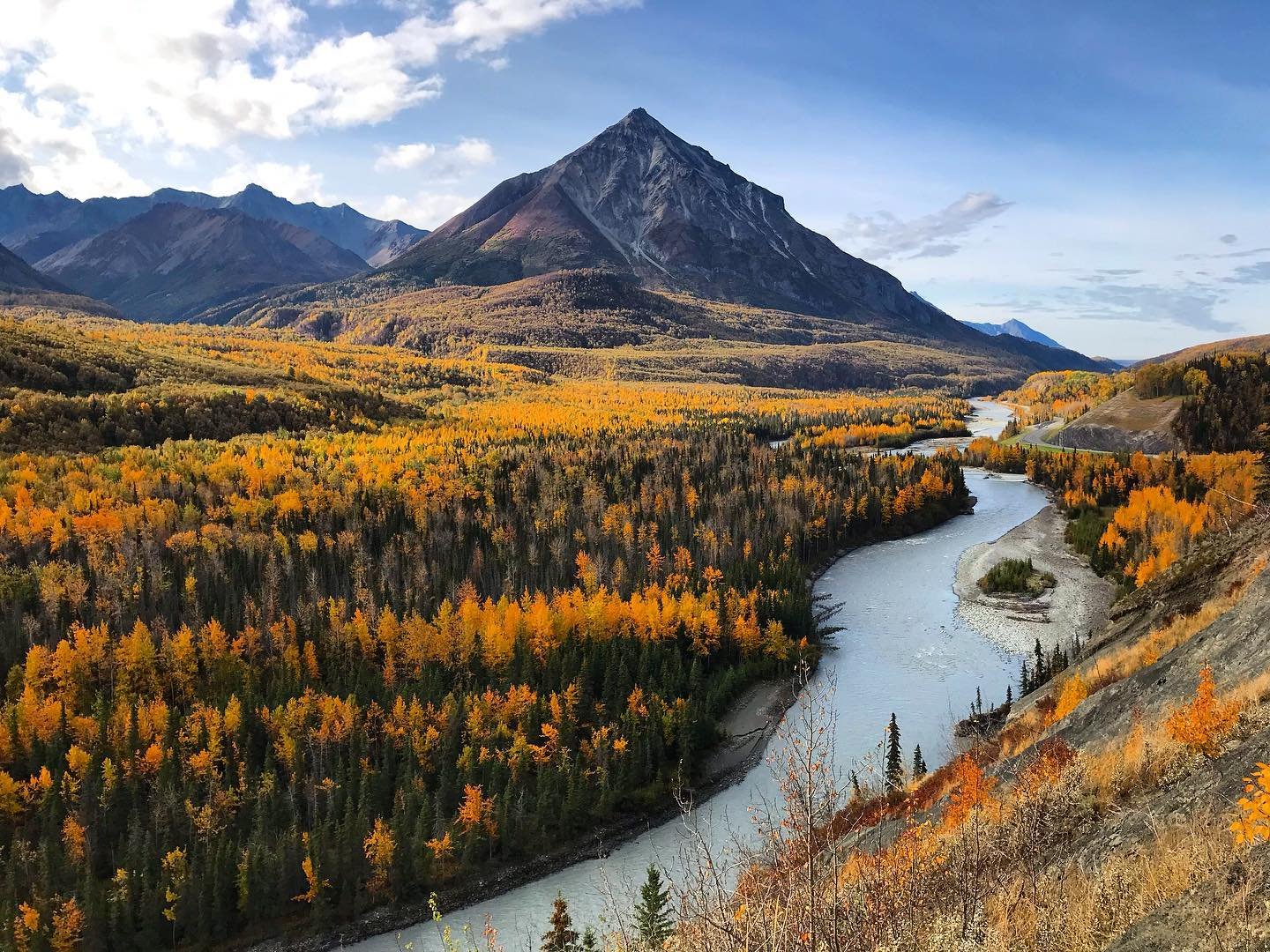
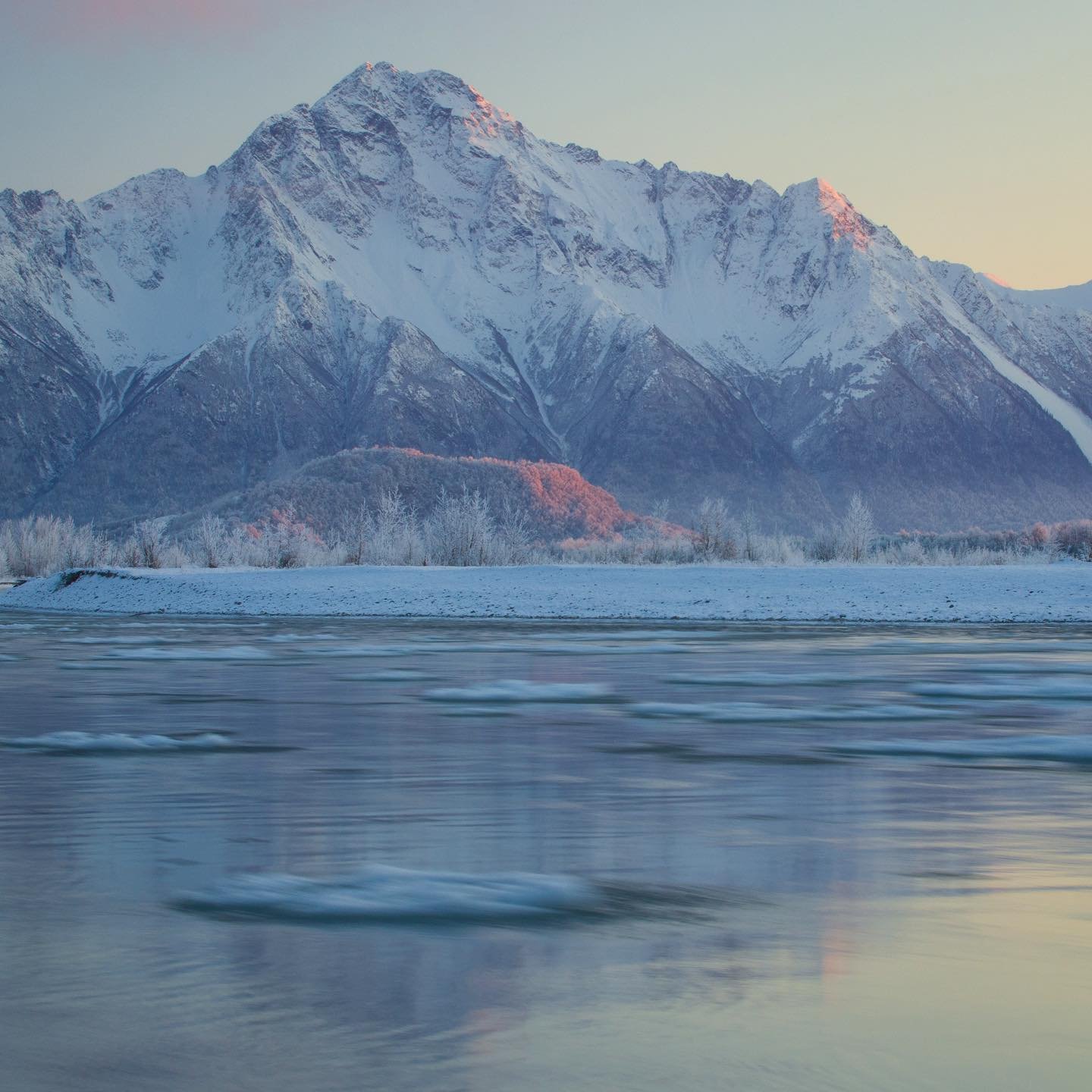
Once a center of coal mining activity, Chickaloon is now a popular staging area for a variety of outdoor adventures ranging from sport fishing and glacier trekking to whitewater rafting and ice climbing. Chickaloon is located at Mile 76 of the Glenn Highway and is surrounded by the Talkeetna and Chugach Mountains and flanked by the mighty Matanuska River, making it a great starting point for outdoor adventures.
Originally the area was a center of trade by Athabascan people who brought copper, sheep, and goats from the north to swap for salmon, beluga whale, and fur seals from tribes from the south. In 1898 an Army exploration party located a vein of high-quality coal near the Chickaloon River. The isolated Chickaloon deposits were not mined until the winter of 1913-1914, when Jack Dalton used the frozen Matanuska River to haul a shipment of test coal from the area. The next year the U.S. Navy sponsored a coal mining effort in the drainage and Chickaloon grew quickly. By 1925, the Navy halted coal mining and in 1958 the area was opened to homesteaders
Things to Do
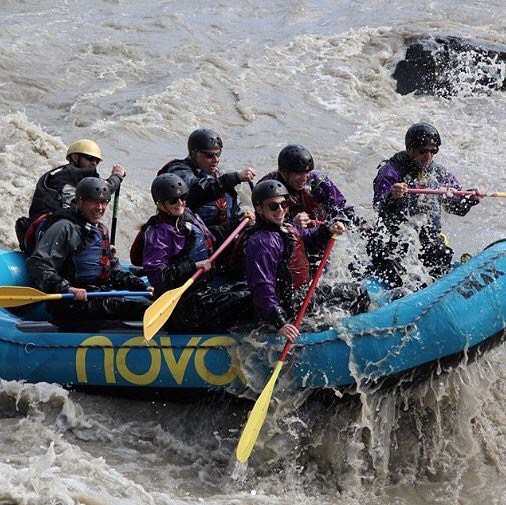
The most popular activity in Chickaloon is whitewater rafting on the Matanuska River. Guides lead parties of rafters down the river’s famous Lion Head, a stretch of Class III-IV whitewater that often includes a stop to explore the foot of Matanuska Glacier. Chickaloon is the staging area for a number of adventures, from easy, scenic river floats to heart-pounding whitewater trips. Several companies also provide guided glacier hikes, and fishing is plentiful in the many nearby rivers and lakes.
Travelers and outdoor enthusiasts also pass through Chickaloon on their way to places like King Mountain State Recreation Site, a popular camping and fishing destination on the banks of the Matanuska River within a mile of town. Farther west is Matanuska Glacier, a 24-mile-long river of ice where outfitters take visitors for treks across the frozen surface or rig them up with crampons and ice axes for an afternoon of ice climbing.
Plan Your Trip
Filter Your Trip

NOVA Alaska Guides is Alaska’s original whitewater rafting and glacier tour company, family-owned for over 50 years and just 2 hours from...

NOVA Alaska Guides is Alaska’s original whitewater rafting and glacier tour company, family-owned for over 50 years and just 2 hours from...

NOVA Alaska Guides is Alaska’s original whitewater rafting and glacier tour company, family-owned for over 50 years and just 2 hours from...

Flightsee around Denali, North America's tallest peak, and land at base camp. Walk on Alaska's largest road accessible glacier. Mush a team of...

Alaska Adventure Unlimited (AAU) has provided over 27 years of g uided Alaska land tours to individuals and groups of all ages and ability levels...
Local Climate & Weather
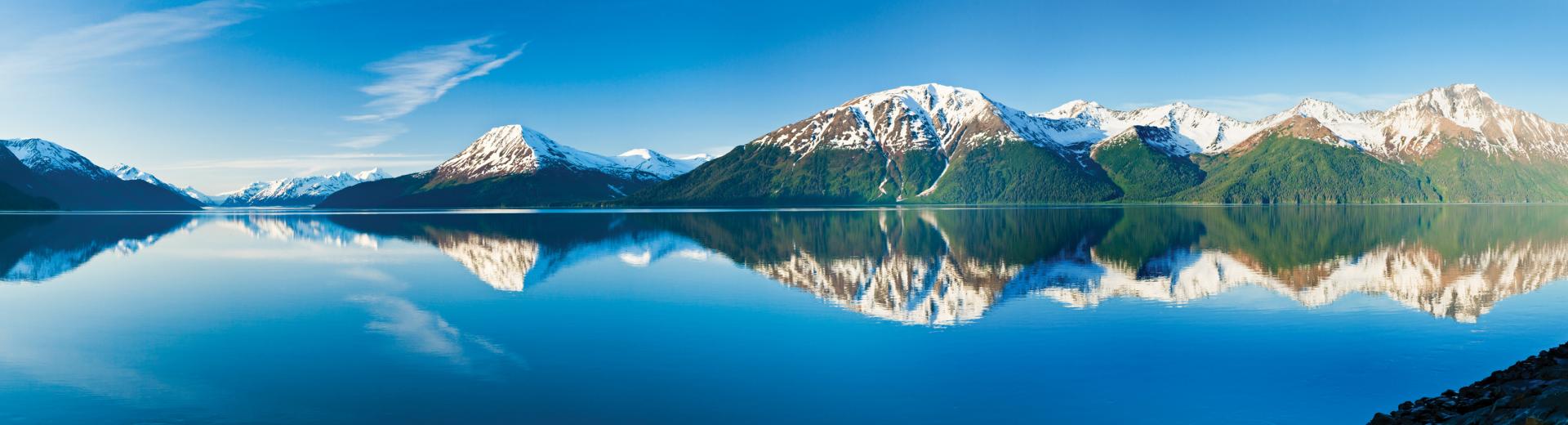
For Alaska's day-to-day weather, it’s best to plan for a bit of everything. Learn more about weather in this area.
Travel Inspiration
#TravelAlaska
#TravelAlaska
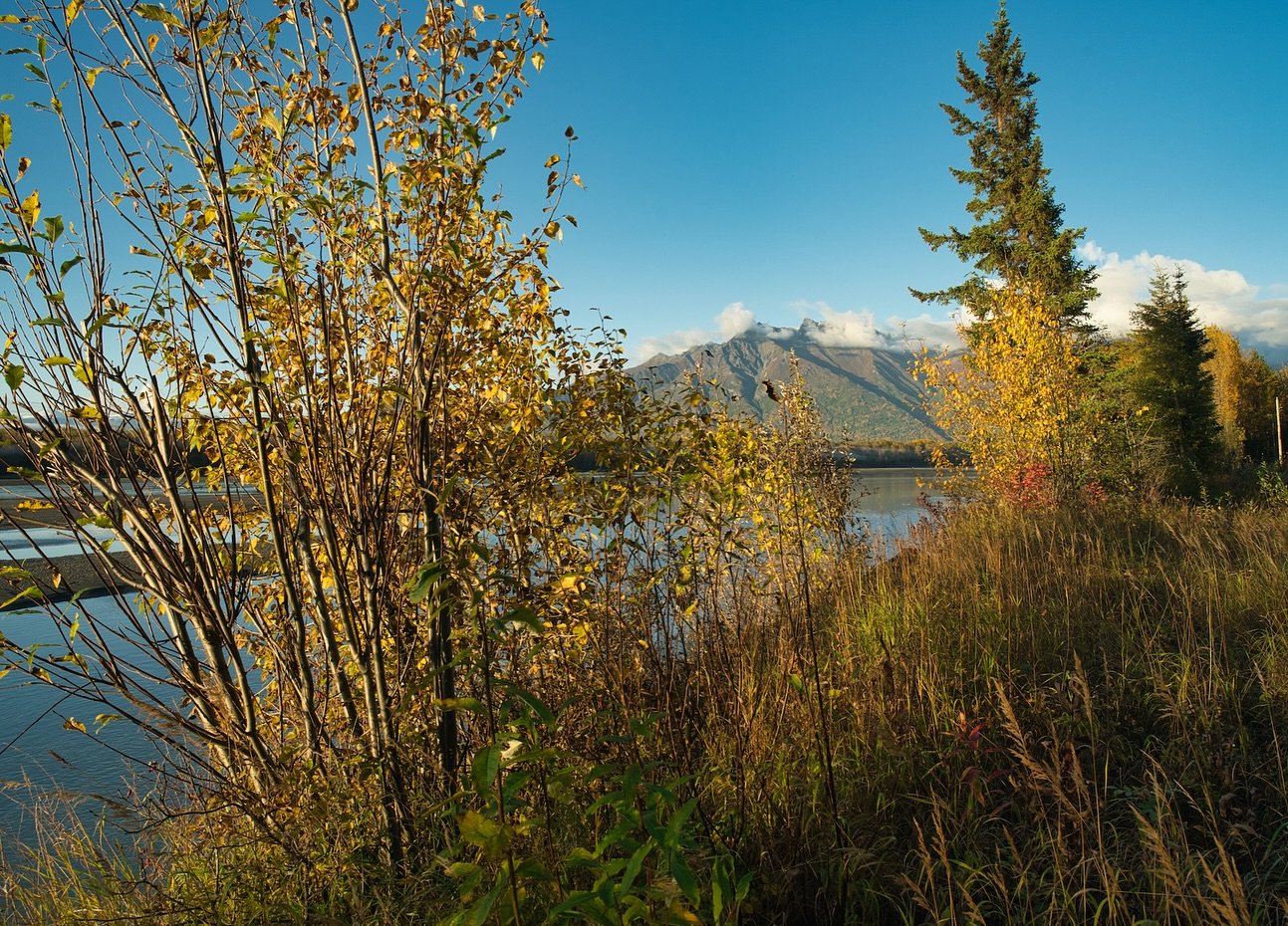 @mikesroadtrip
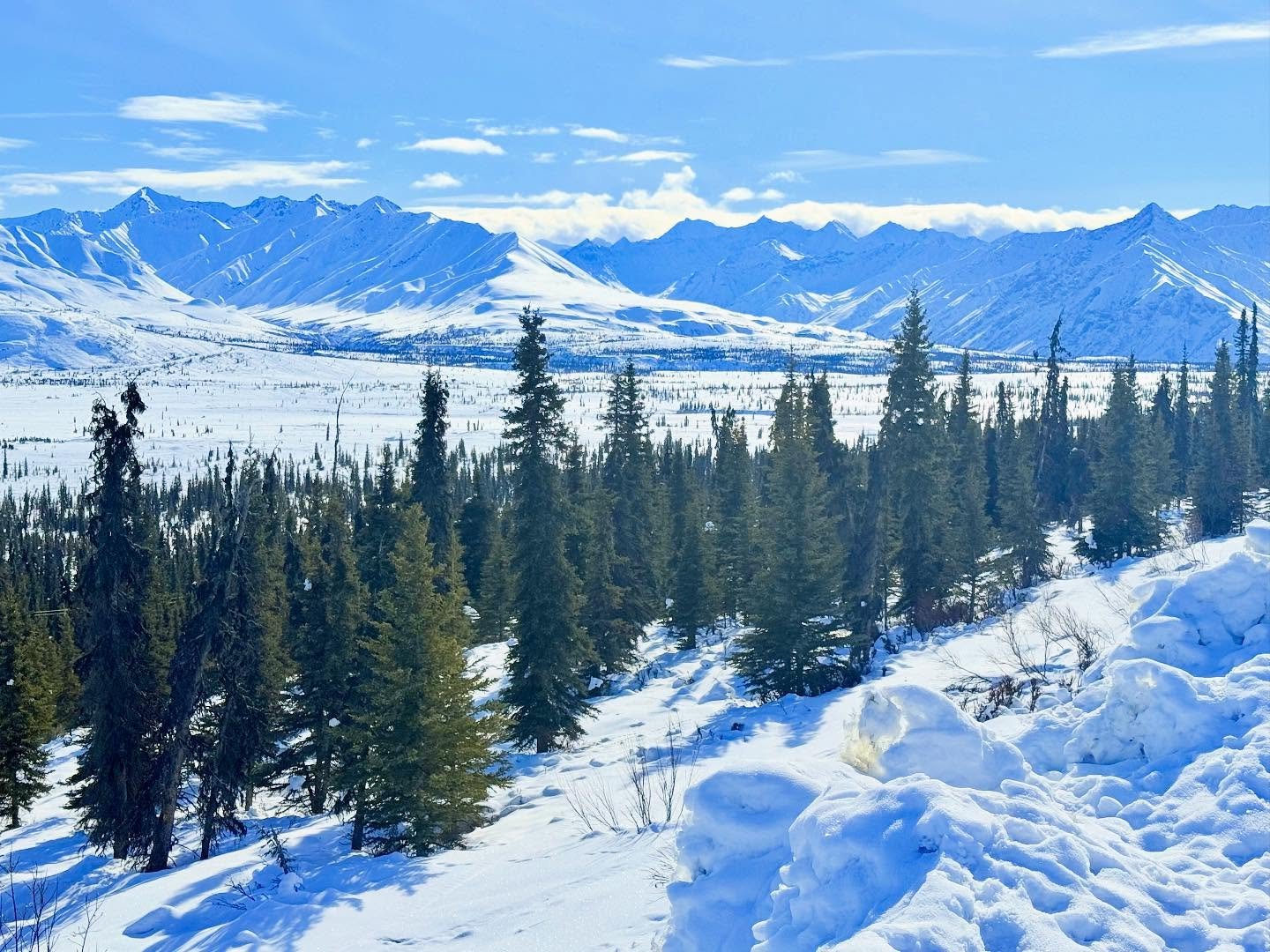 @jjweinstockmd
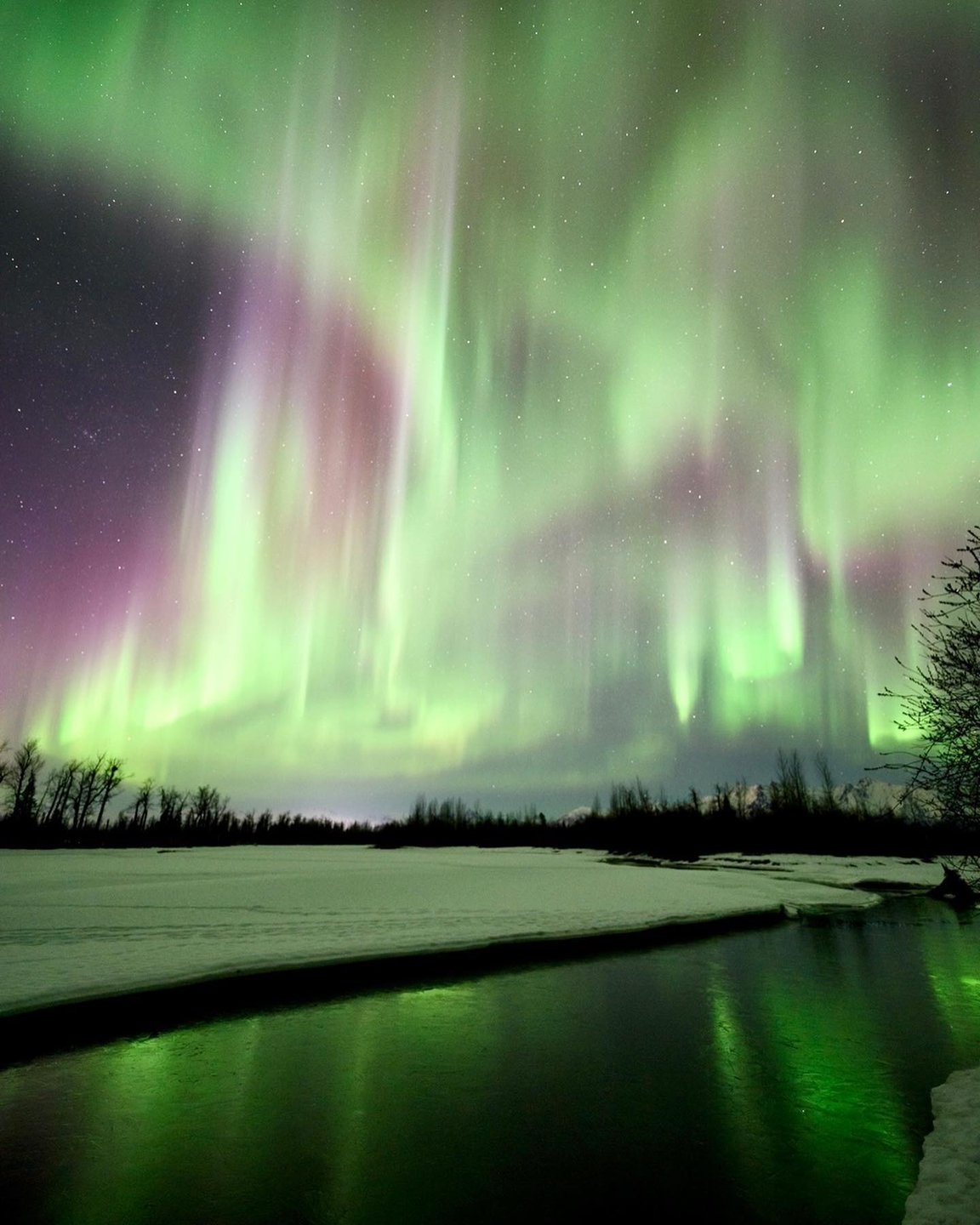 @olboyphotos
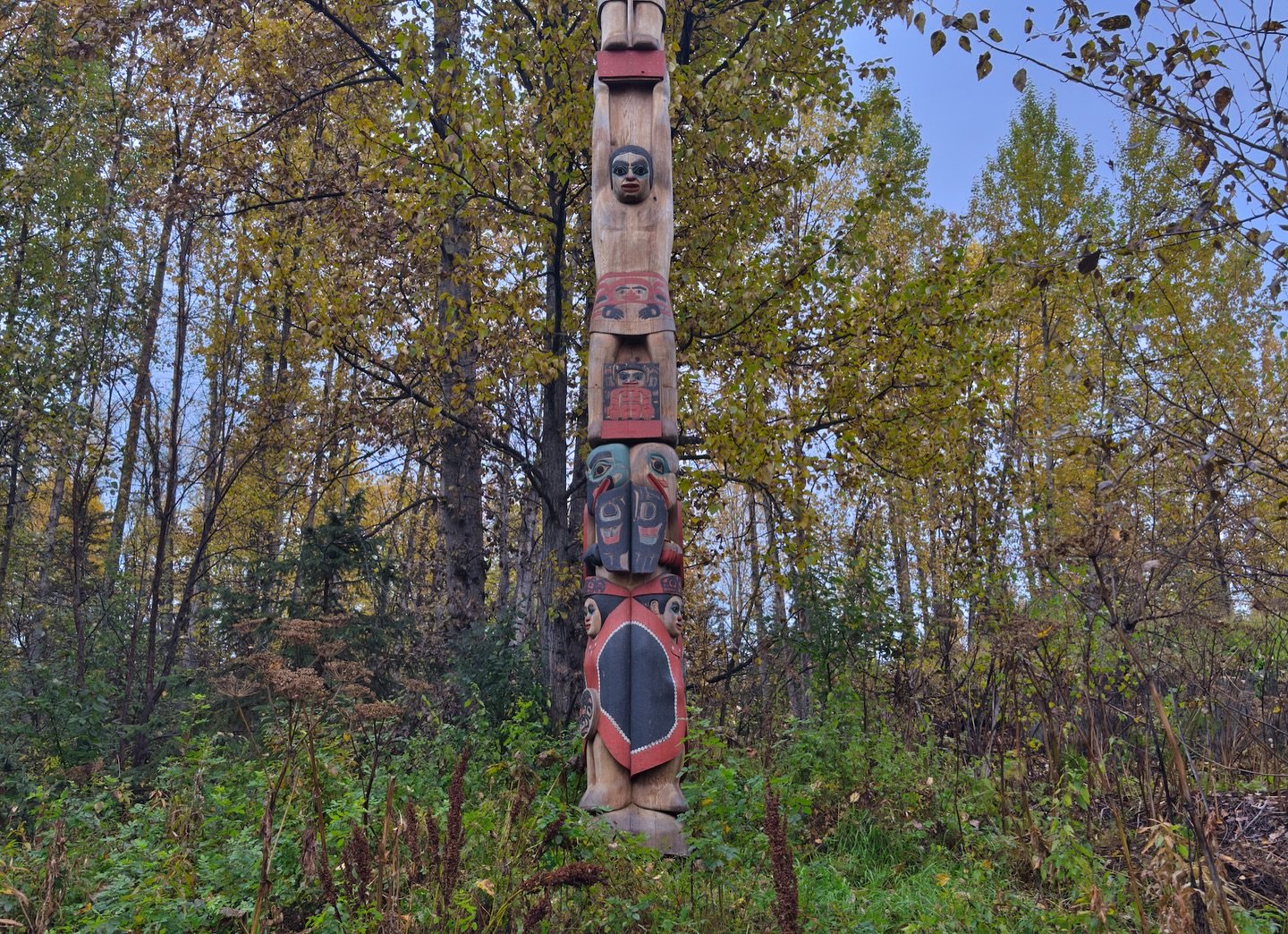 @mikesroadtrip
 @jeremiahbang