Anchorage
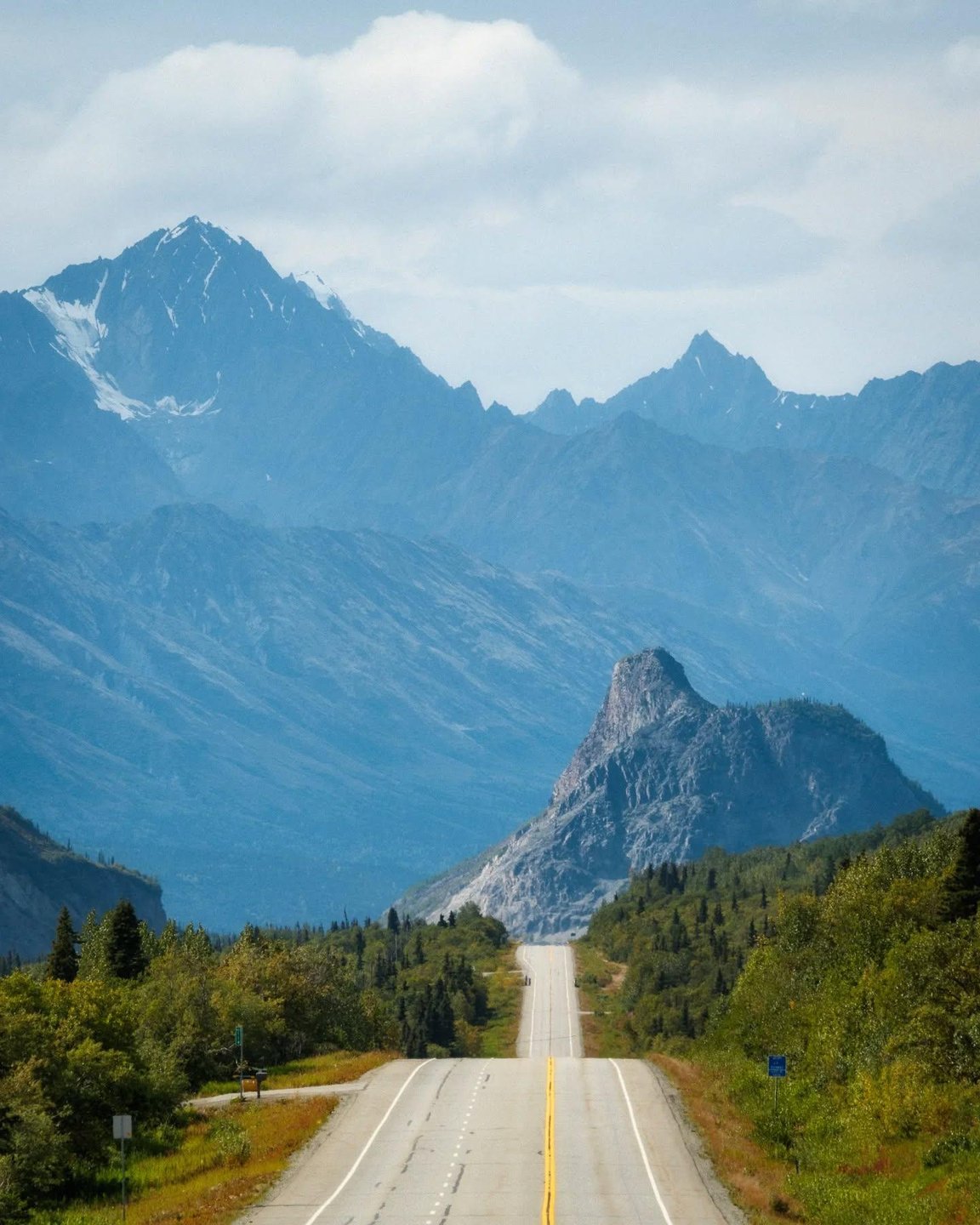
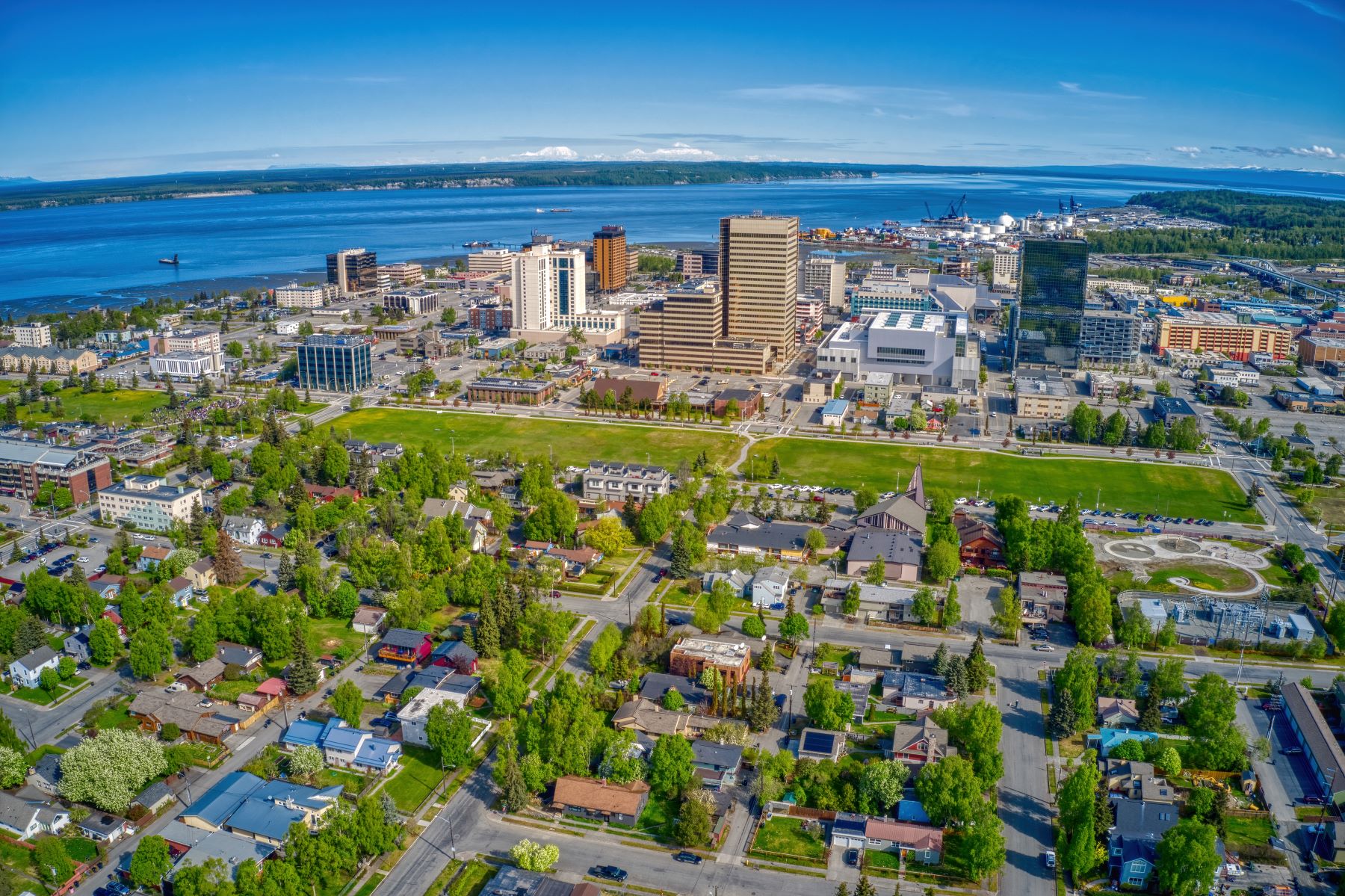
Alaska's largest city lies between the Chugach Mountains and Cook Inlet. Anchorage is more urban that any other place in Alaska, but it’s also just as wild.
Among the northernmost cities on Earth, Anchorage is a place with big-city amenities: fine restaurants, museums, shops, theaters, and an excellent music scene. It is also home to Alaska’s largest college, the University of Alaska Anchorage. Creating the backdrop to the city are the salmon-rich waters of Cook Inlet and the 5,000-foot-plus peaks of Chugach State Park.
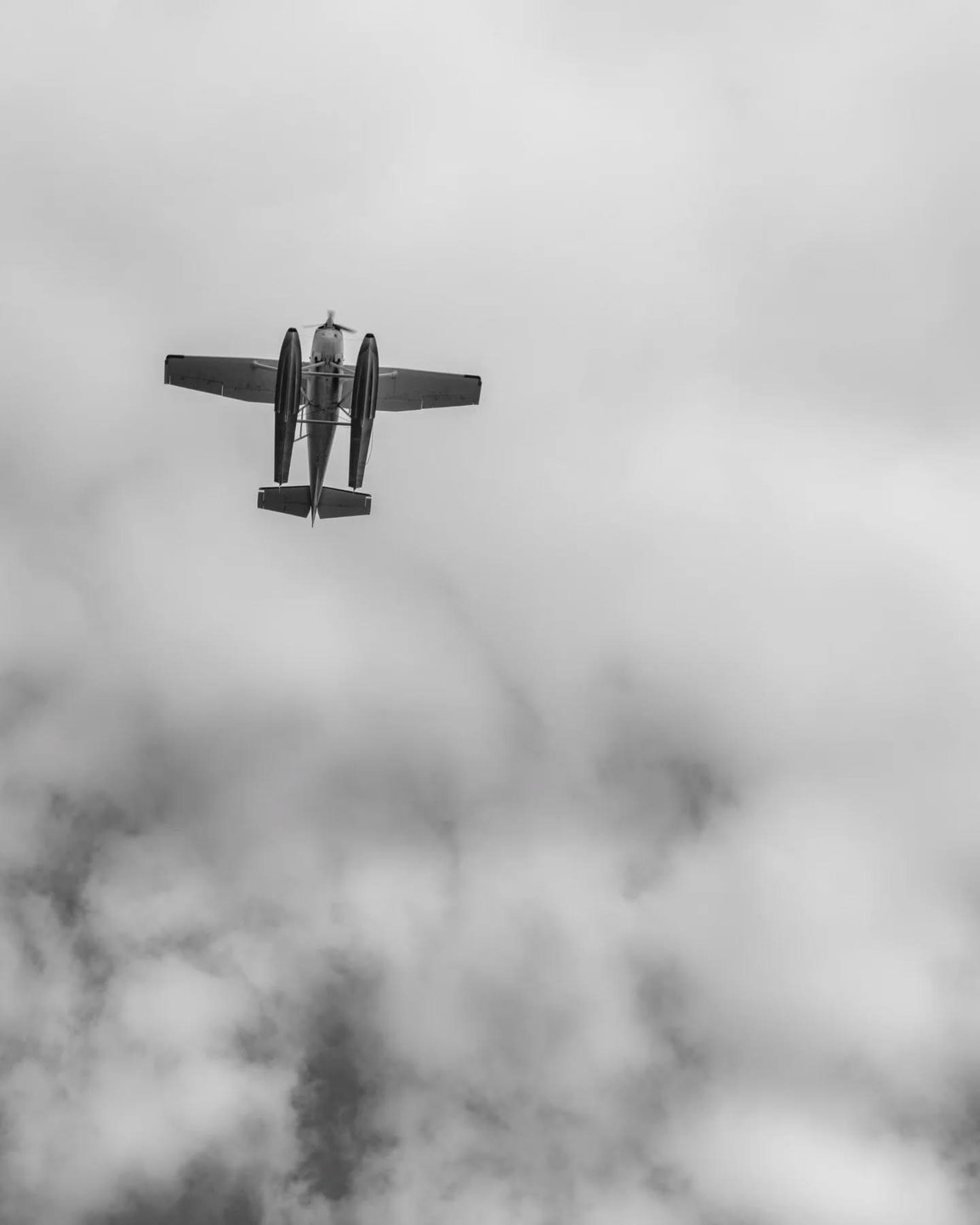
Within a short drive from downtown are dozens of wilderness adventures, and a quick plane ride opens up the possibility of almost any type of outdoor activity, including hiking, backpacking, camping, glacier trekking, and wildlife viewing. This is one of the many reasons why Anchorage’s Lake Hood is the world’s busiest floatplane base. Anchorage’s more than 290,000 residents embrace both the urban amenities and the surrounding wilderness.
Anchorage enjoys a relatively mild climate by Alaska standards, with summer temperatures in the mid-60s to low-70s, and winter temperatures in the 10s and 20s. Like the rest of Alaska, summer days are long in Anchorage, with 22 hours of sunlight on Summer Solstice on June 21. The shortest day of the year is Winter Solstice on December 21, with 5.5 hours of daylight. It’s best to bring plenty of layers as weather conditions can change in Anchorage very quickly.
History of Anchorage
The area surrounding Knik Arm is the traditional land of the Dena'ina Athabascan peoples. The City of Anchorage wasn’t officially founded until 1915, even though British explorer Captain James Cook sailed past the site in 1779, and gold prospectors discovered the bounty of Ship Creek in the late 1800s. It wasn’t until the Alaska Railroad set up a construction camp in 1915 that Anchorage was established and became a booming tent city of 2,000 people.
Anchorage proved to be the ideal center for Alaska's rail, air, and highway systems with the military build-up of World War II and the discovery of oil in Cook Inlet in the 1950s, adding to its steady growth. After the 1964 Good Friday Earthquake, the city was rebuilding itself when another opportunity arose: the discovery of a $10 billion oil reserve in Prudhoe Bay. Though the Trans-Alaska Pipeline doesn't come within 185 miles of Anchorage, the city became the headquarters of various petroleum and service companies.

Getting to Anchorage
Anchorage technically stretches across 1,955 square miles, from the Alaska Native village of Eklutna all the way to Portage Glacier south of town. Anchorage’s Ted Stevens Anchorage International Airport is the state’s main air hub, and it’s no stretch to say all roads (in Alaska anyway) lead to Anchorage. Paved highways accessible from Anchorage connect to places like Fairbanks, Valdez, the Kenai Peninsula, Denali National Park, and Wrangell-St. Elias National Park. Multiple car and RV rental companies are available in Anchorage if you’re interested in exploring the road system yourself.
The Alaska Railroad’s main passenger depot is located in Anchorage and runs south to Seward and north to Fairbanks. Some cruise itineraries that cross the Gulf of Alaska end in Anchorage, giving passengers a convenient location to disembark and fly home, or continue their journey on a land-based tour via train or motorcoach.

Things to Do in Anchorage
Warmed by a maritime climate, you can spend the day fishing Ship Creek downtown, hiking the nearby mountains, photographing glaciers, and dining at a four-star restaurant. Anchorage is a top destination in both summer and winter, with activities, festivals, tours, and amenities available year-round.
Parks & Outdoor Recreation
Anchorage offers endless opportunities for outdoor recreation right in town including hiking, road biking, mountain biking, walking and running, water sports, and so much more. Anchorage features 223 municipal parks and 122 miles of paved trails
Tony Knowles Coastal Trail
The popular Tony Knowles Coastal Trail stretches 11 miles along the Cook Inlet from Downtown Anchorage to Kincaid Park. The paved multi-use trail is a haven for walkers, runners, and bikers in summer and cross-country skiers and fat tire bikers in winter. Hugging the coastline of the Cook Inlet's tidal flats, the trail is mostly flat and offers great views of the water and surrounding mountains, including Sleeping Lady (Susitna), the Chugach Mountains, and even Denali on a clear day. Keep an eye out for wildlife including moose, black bears, lynx, bald eagles, and a wide variety of bird species - and always remember to give wildlife plenty of space and don't attempt to pass moose or bears on the trail.
Located along the Coastal Trail is Earthquake Park, an area that was devastated during the 1964 Good Friday Earthquake. Today, visitors can see evidence of tectonic upheaval at this scenic park through interpretive displays that tell the story of what Anchorage went through on that ill-fated day.
Kincaid Park
Kincaid Park is a popular year-round recreation destination, with 40 miles of hiking trails and 20 miles of singletrack trails woven through 1,400 acres. The rolling terrain of forested hills features views of Mt Susitna, Denali on a clear days, and fiery sunsets in the evening. Moose, black bears, lynx, eagles, and ptarmigan can be seen in the park. In the winter, many trails are groomed and lighted for cross-country skiing, and fat-tire bikers cruise through the snowy singletrack trails.
Chugach State Park
Bordering much of the city is Chugach State Park, a 495,000 acre wilderness area and the fourth largest state park in the United States. With over 280 miles of trails, the park offers hiking, backpacking, and biking opportunities for people of all skill levels, with many trailheads accessible from downtown Anchorage in 30 minutes or less. Popular trails include Crow Pass, Bird Ridge, Thunderbird Falls, Turnagain Arm Trail, and Flattop Mountain — Anchorage’s most popular hike.
Alaska Coastal Wildlife Refuge
Located 12 miles southwest of Anchorage, Potter Marsh, also known as Anchorage Coastal Wildlife Refuge, is Anchorage's best destination for birding. A boardwalk trail leads visitors through the marsh to view ducks, songbirds, grebes, swans, gulls, and sometimes moose.
Far North Bicentennial Park
Far North Bicentennial Park is like a slice of wilderness in the middle of Anchorage. The 4,000-acre preserve includes forest, muskeg, and 20 miles of trails. During the summer the streams are full of spawning salmon. Visitors often see moose and bears in the spring and summer and brilliant fall colors in the fall.
Alaska Botanical Garden
Alaska Botanical Garden is a colorful showcase for native plant species. Gentle paths lead visitors through groomed herb, rock, and perennial gardens in a wooded setting. The mile-long Lowenfels Family Nature Trail is designed to teach visitors about native Alaska plants.
Alaska Public Lands Information Center
The Alaska Public Lands Information Center is the place to head for information and maps on hiking, mountain biking, kayaking, camping, renting a wilderness cabin, or just about anything else you might want to do outdoors in Alaska. There are also excellent wildlife displays, free movies, fun dioramas, maps & brochures, and knowledgeable staff to help you plan your next outdoor adventure.
Fishing
From mid- to late summer, king, coho, and pink salmon spawn up Ship Creek, the historical site of Tanaina fish camps. Located just below downtown, Ship Creek is the best place in town for some urban fishing, with several local outfitters providing all the gear that you’ll need to reel in a big one. If you’d rather just take in the sites, the Ship Creek Salmon Viewing Platform is the best place to witness the spawning salmon.
Flightseeing Tours
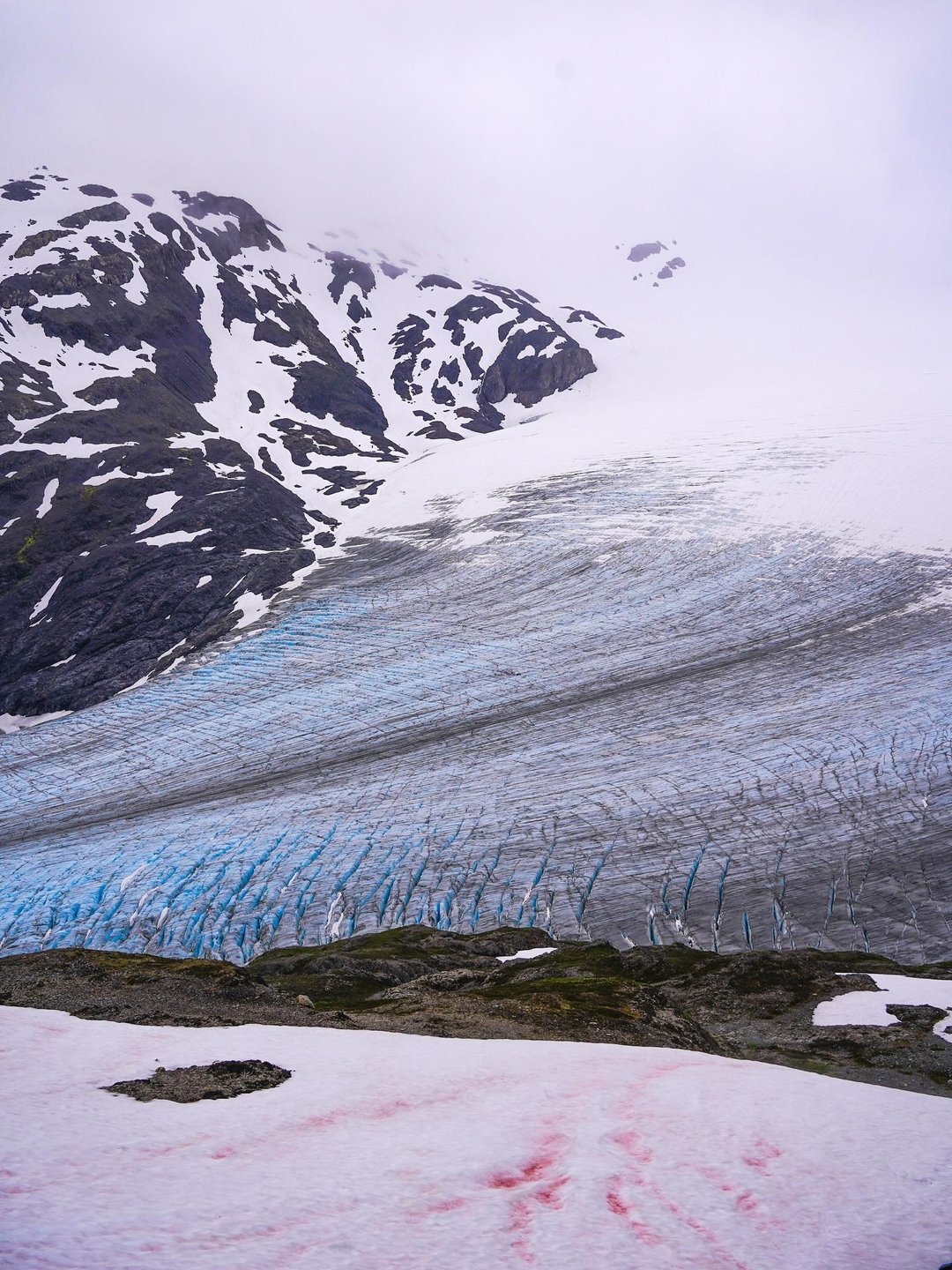
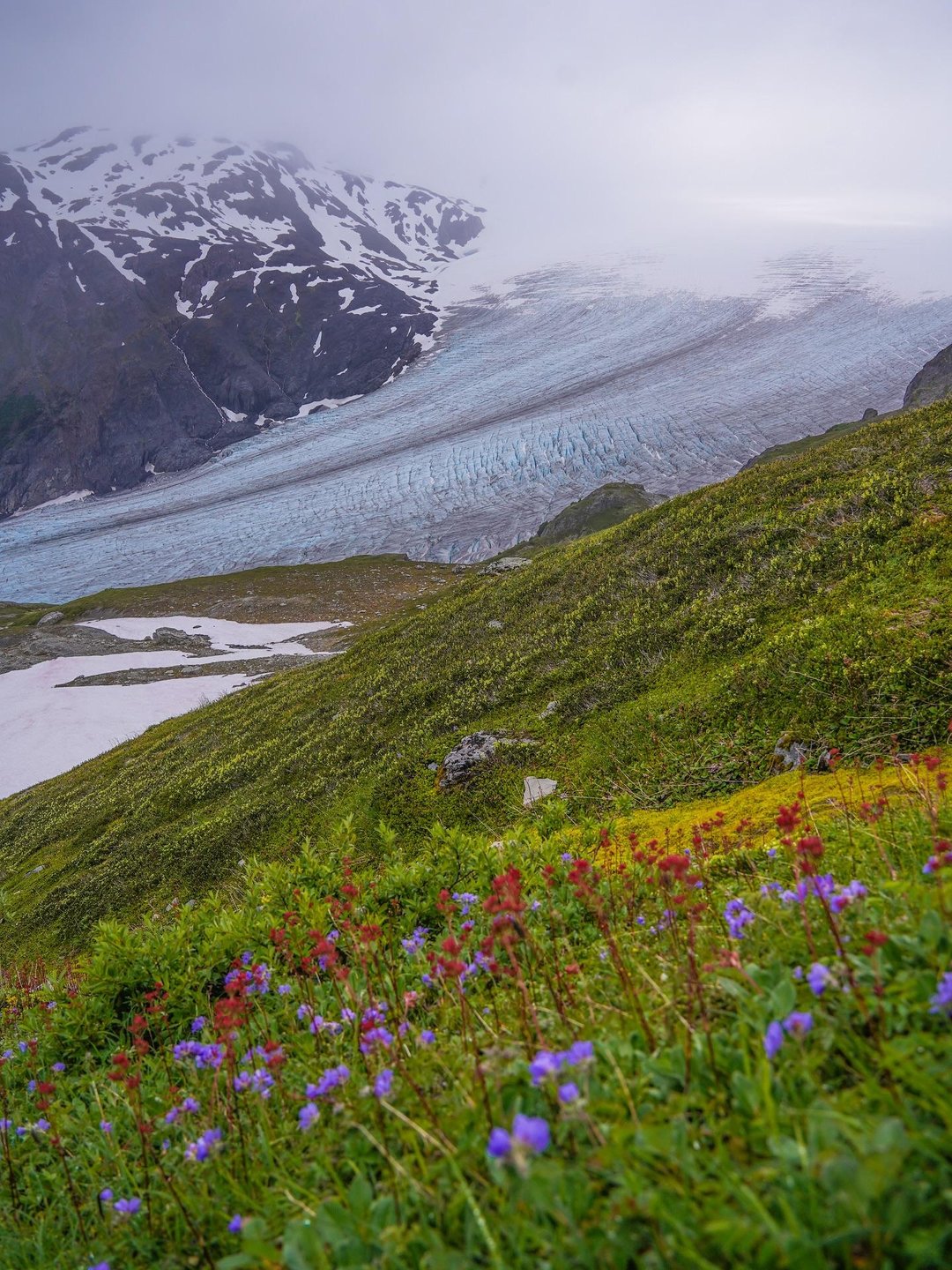
A wide range of flightseeing tours are available in Anchorage, each offering an eagle-eye view of the wilderness, glaciers, and mountains that lie outside the city. Many head to Prince William Sound for glacier tours of Blackstone Glacier or even Columbia Glacier. Others head north towards Knik Glacier or Denali.

Winter Activities
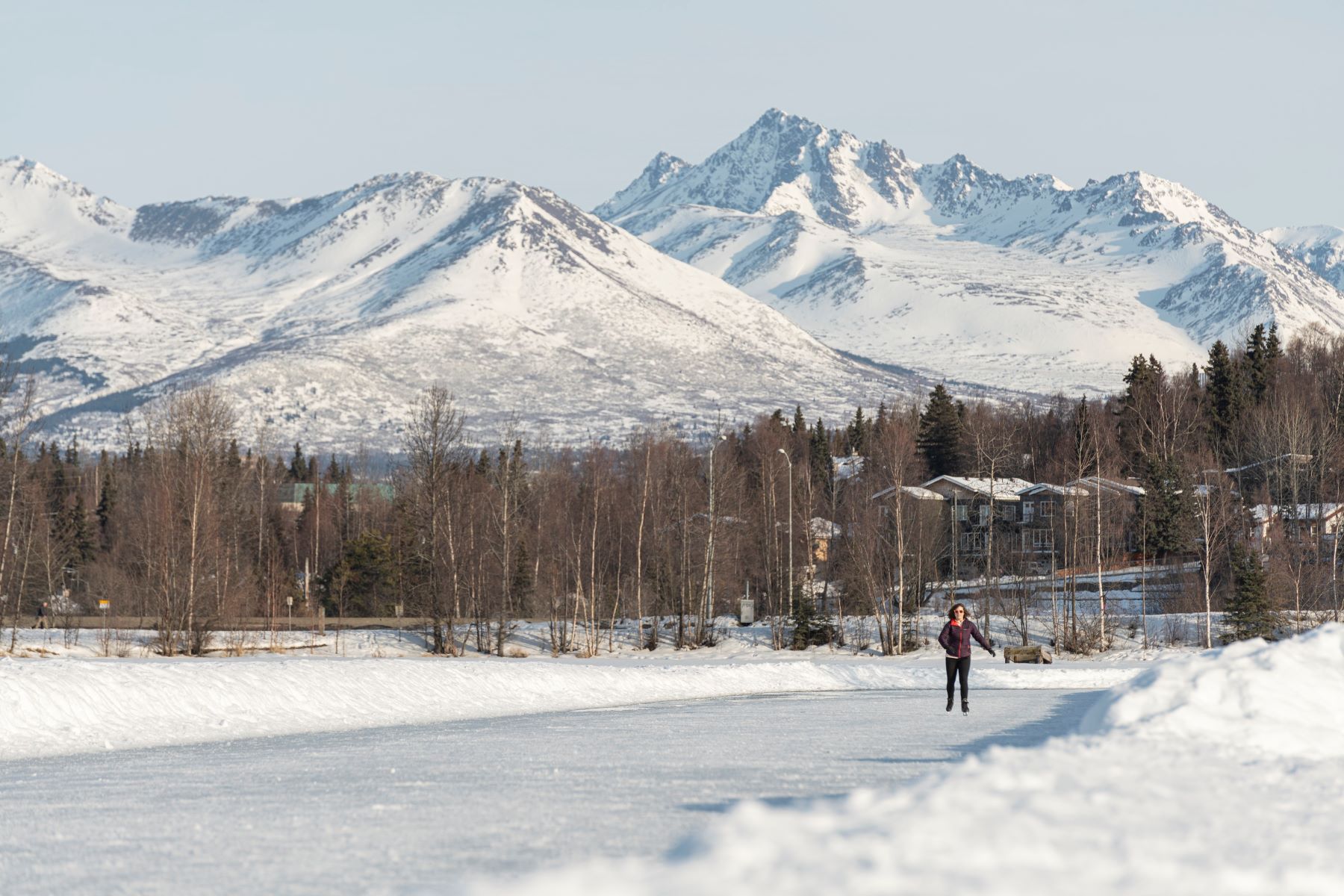
In winter, the city transforms into fluffy white playground, with 100 miles of maintained Nordic ski trails, dog sledding, ice skating, snowmobiling, ice sculptures, and more. Popular areas for cross country skiing include the groomed trails at Kincaid Park and Hillside Park, part of the Far North Bicentennial Park system. Many trails are lighted in the winter so you can get out and enjoy skiing even on the shortest winter days.
For downhill skiing and snowboarding, Hilltop Ski Area is right at the edge of town with 30 acres of groomed and lighted terrain for all skill levels. Just 45 minutes away is Alaska’s premier ski resort, Alyeska Resort, with over 1,600 skiable acres, 76 named trails, and over 669” of annual snowfall. In addition to skiing, the resort offers accommodations, several restaurants, an ice skating pond, and a Nordic spa.
Locals and visitors alike enjoy ice skating at Westchester Lagoon, near downtown Anchorage. When the ice gets thick enough, the city mops an ice skating route that winds around the lagoon's islands. This festive winter activity, often complete with burn barrels and hot chocolate to keep warm, is a family favorite.
City Attractions & Museums
Shopping
Shopping in Anchorage is tax-free, so it’s not surprising that retail therapy is popular in the city. From Alaska Native crafts to locally-made treats, fresh fish, or stylish clothes, there’s truly a gift for everyone here (including for yourself!). You’ll find everything from large shopping malls to boutique clothing and craft stores to souvenir shops, with a wide variety of stores located downtown.
Anchorage Market
Browse row after row of Alaska-made souvenirs, art, and locally-grown produce at the Anchorage Market, held on weekends from mid-May to mid-September. This fun-filled outdoor market is located in downtown Anchorage and features about 100 vendors, plus great food and entertainment.
Anchorage Museum
There is quite literally something for everybody at the Anchorage Museum. On the first floor, kids (and adults) can interact with science and technology exhibits, or soak in the stars in the Planetarium. In other areas, you can stroll through the hundreds of artworks and historic items that showcase Alaska and the Arctic in general. Popular permanent exhibitions and programs include an Alaska Native art collection from the Smithsonian Institute, the Art of the North Gallery, and the interactive Discovery Center. If you come during summer, be sure to reserve 30 minutes or more to simply relax on the grass in front of the Museum.
Alaska Native Heritage Center
The Alaska Native Heritage Center invites visitors to experience Alaska Native culture, delving into the historical and preset-day influences of Alaska's 11 Indigenous cultural groups. The main cultural center includes exhibits on traditional arts and culture as well live performances of song, storytelling, and dance. Outside, around a picturesque lake, is a village of typical structures from tribes throughout Alaska. Visitors can watch artists practice their traditional ivory carving and beadwork skills. The Alaska Native Heritage Center is a must-see to better understand Alaska’s history and culture.
Alaska Aviation Hertiage Museum
On the south shore of Lake Hood, the world's busiest floatplane lake, is the Alaska Aviation Heritage Museum. The museum serves as a tribute to Alaska's famous bush pilots and is home to 25 planes along with historic photos and displays of pilots' achievements, from the first flight to Fairbanks (1913) to the early history of Alaska Airlines. You can view early footage of bush planes in the museum's theater or step outside to its large observation deck and watch bush pilots take off with a roar on Lake Hood.
Alaska Zoo
The unique wildlife of the Arctic is on display at the Alaska Zoo, the only zoo in North America that specializes in northern animals. The zoo focuses on native Alaska species, including wolves, wolverines, moose, caribou, and Dall sheep. The most popular species with visitors, naturally, are bears. The Alaska Zoo is home to three bear species: brown, black, and polar. The zoo works with the Department of Fish and Game and US Fish and Wildlife Service to rescue and rehabilitate orphaned and injured Alaskan animals.

Anchorage Festivals & Events
Fur Rendeveous
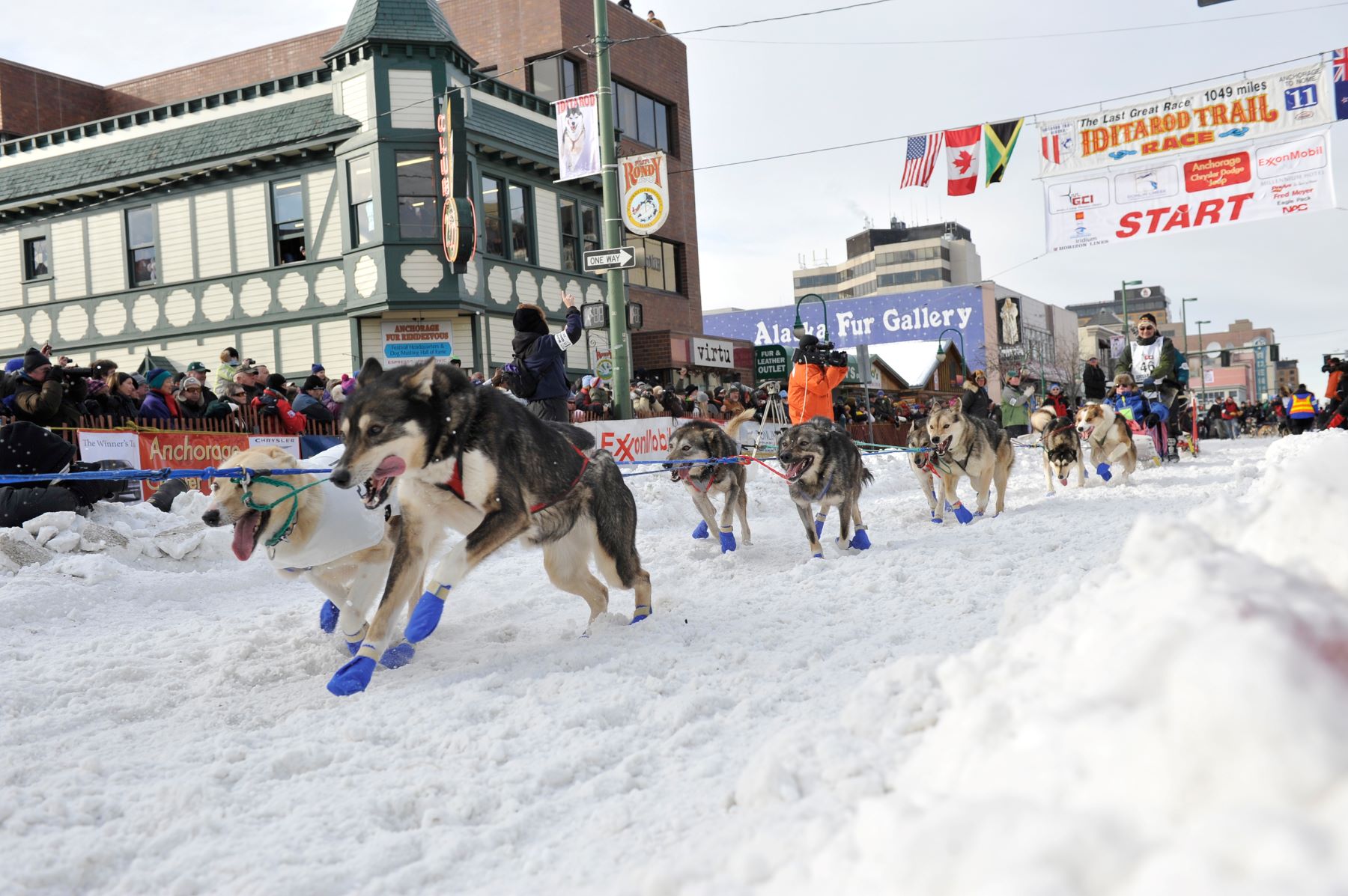
Anchorage Fur Rendezvous, or simply "Rondy," as most locals call it, is one of the best winter festivals in Alaska. Participants walk among snow sculptures, ride the Ferris wheel in freezing temperatures, take part in the entertaining Outhouse Race, and watch the Running of the Reindeer through downtown Anchorage. Following the two-week Fur Rendezvous is the ceremonial start of the Iditarod Trail Sled Dog Race, where dog teams depart from downtown Anchorage before the official race start in Willow the next day.
Summer Solstice Festival
The summer’s biggest festival is the Summer Solstice Festival held on the weekend closest to the longest day of the year. This family-friendly festival takes over downtown Anchorage with live music, food, family activities, food trucks, and a beer garden.
Downtown Events
Downtown Anchorage hosts free events throughout the summer including the Live After Five Concert Series, Music in the Park, and Movie in the Park.
Best Time to Visit Anchorage
The best time to come to Anchorage depends on what type of activities you’d like to do. Peak season takes place from June to August, when the days are long and temperatures average in the 60s and low 70s. If you’re planning on hiking, wildlife viewing, and taking advantage of the most tour and activity options, this is the best time to visit. That said, be aware that this is the busiest season, so be sure to book your accommodations and activities early.
For winter beauty, November to March have the most snowfall and lowest temperatures, with average temperatures in the teens and 20s. During this time, skiing, fat tire biking, snowmobiling, and dog sled races are popular, and you’re more likely to get a glimpse of the northern lights. Winter also has lower occupancy rates, so it’s a good time to book bargain accommodations.
Spring and fall are equally nice to find less crowds and more availability in Anchorage. Temperatures in these shoulder seasons range from the 30 - 50°F, and the days are considerably shorter compared to summer. The fall season sees more rain than springtime, but spring can be quite muddy as the snow and ice from winter start to melt during a time that locals call “spring breakup.” For both times, remember to pack several layers.

Lodging in Anchorage
There’s no shortage of places to stay in Anchorage, with accommodations ranging from rustic bed and breakfasts to cosmopolitan hotels and scenic campgrounds. Below are some of the best neighborhoods in the city.
Downtown
For quick access to shops, restaurants, and Anchorage's main attractions, book accommodation in the downtown area. As well as being in the heart of the city's shopping and dining scene, visitors here still have natural scenery right on their doorstep – from views of Denali on clear days to easy access to the Tony Knowles Coastal Trail for biking, running, walking, and wildlife viewing. Not to mention, staying downtown means you can easily take a trip to other parts of Alaska via the Alaska Railroad Depot. Accommodations downtown ranges from hotels, apartments, and bed and breakfasts, suiting a variety of budgets and group sizes.
Midtown
Midtown is three miles from downtown and offers close access to a wide variety of shopping, restaurants, grocery stores, and services. While not as scenic as downtown Anchorage, visitors will find a wide variety of hotel and extended stay options in midtown, typically at lower prices than downtown accommodations. Cuddy Family Midtown Park is a favorite for families, complete with a pond, playground, a short paved loop trail, and ice skating in winter.
Spenard
Spenard is ideal for travelers who want to stay close to the airport and for travelers enjoying Anchorage on a budget. The area is less than 4 miles from downtown, so you are still close to all of the area’s activities. There are several large hotels, including budget options. Spenard offers close access to Lake Hood – the world’s busiest floatplane base, along with a handful of restaurants, including one of the best spots for outdoor deck dining in Anchorage on the shores of Lake Hood.
Bootleggers Cove
One of the most picturesque spots in Anchorage is Bootleggers Cove. Sitting on the shoreline of Cook Inlet, this neighborhood provides you with easy access to the great outdoors less than a mile from downtown Anchorage. This area has a true neighborhood feel and is located right next to Westchester Lagoon – one of the most popular parks in Anchorage, with connections to the city’s extensive trail system via the Tony Knowles Coastal Trail and Chester Creek Trail. In winter, the trails are groomed for cross country skiing, and Westchester Lagoon is the most popular ice skating spot in town. You won’t find the same scope of accommodations in this neighborhood as you will in other parts of town but you will find vacation rentals and guest houses.
Dining in Anchorage
There’s an impressive selection of cuisine and eateries in Anchorage that reflect the city’s diverse population and love of diverse flavors and cooking styles. Unsurprisingly, seafood is one of the most-ordered types of food here, especially fresh Alaska salmon, cod, halibut, and crab. You’ll find nearly any kind of cuisine you are craving – with many of the best spots hidden in the city’s strip malls.
On the weekend, locals and visitors alike head to the farmer's markets dotted around Anchorage. Whether shopping for fresh produce, hand-crafted ice cream, or artisan cheese, these markets showcase some of Anchorage’s top delicacies.
Of course, you have to try a reindeer sausage while in Anchorage. Food trucks in the downtown area serve foot-long versions topped with sauteed onions and sauces. The unique sausages taste even more delicious in winter when the piping hot juices help hungry travelers keep warm.
And when the sun sets (or doesn’t set in summer), Anchorage boasts a wide selection of bars and breweries. Whether you prefer a classy establishment with craft cocktails or laid-back brewery, you’ll find it here. Anchorage also has you covered for locally-made libations, with over 20 breweries and distilleries brewing up microbrews, cider, mead, sprits, and even kombucha.
It’s worth noting that Alaskans typically dress casually to dine out. No matter if you’re heading to a fine-dining restaurant or a food truck, informal wear is the norm.

What Makes Anchorage Unique
Anchorage has a truly special blend of nature and culture. Visitors can see a moose, take a flightseeing tour over a massive glacier, hike a remote trail in the mountains, then head downtown for an upscale dinner and a luxurious place to stay. And all of this can be done in one day!
Anchorage has thriving Alaska Native culture and is one of the most diverse cities in the United States. Travelers coming to Anchorage can learn about Alaska's fascinating history and the Indigenous peoples who have called this place home for thousands of years at museums and festivals & events that celebrate Alaska culture.
Often referred to as the Land of the Midnight Sun, there truly is magic to Anchorage.
Still want to explore more? Read the 9 Top Things to Do in Anchorage.

Plan Your Trip
Our unique style of touring allows your guests to experience Alaska and not just pass through. Each program features a local Alaskan tour...
Family-owned and operated since 1963, Rust's Flying Service will fly you to some of the most pristine wilderness Alaska has to offer. With an...

Discover Southcentral Alaska Drawing on decades of expertise in Alaska tourism, Pacific Alaska Tours brings unparalleled travel experiences to...

See it all in one day! Phillips Cruises & Tours operates glaciers & wildlife cruises from Whittier Alaska. Cruise on high-speed catamarans in...

Alaska is vast and the opportunities endless! River Wild creates custom camper van adventure plans for wanderlust souls. We open up opportunities...

Bears, whales, moose, and more -- with Alaska Tour & Travel you can discover and book Alaska’s best wildlife trip packages. You’ll find bear...

Experience the thrill you only get from a helicopter with Outbound Heli Adventures! See the Chugach Mountain Range & Knik River Valley from the...

Alaska's wild beauty, abundant wildlife and colorful culture offer great appeal to those looking to travel off the beaten track on a self drive...

In the heart of Palmer, Alaska, our outdoor adventure company offers a range of unforgettable winter experiences designed to immerse you in the...

Come visit us at the Copper Whale Inn, where you can take in spectacular views across Cook Inlet while enjoying downtown Anchorage’s vibrant...

From breathtaking scenic coach tours to the iconic Alaska Rail Road and self-drive packages – we have every option covered to complete your dream...

NOVA Alaska Guides is Alaska’s original whitewater rafting and glacier tour company, family-owned for over 50 years and just 2 hours from...

We've flown thousands of satisfied guests with a perfect safety record since we began in 1982. Fly from Anchorage to Denali or Katmai National...
Discovery Voyages is Alaska's original small ship cruise. We offer the finest guided small group sea and land tours, featuring hiking, kayaking...

Seeing Alaska by rail…there’s nothing else like it! With Alaska Tour & Travel you can book Alaska rail tours, from day trips to complete rail...
Families, Couples and small groups! Find your Ultimate Adventure-Niche with inclusive packages from Wilderness Place Lodge and The Alaska...

One of Alaska’s most-visited cultural attractions, the Anchorage Museum tells the real story of the North - a story that weaves together social...

One of Alaska’s most-visited cultural attractions, the Anchorage Museum tells the real story of the North - a story that weaves together social...

Alaska's wild beauty, abundant wildlife and colorful culture offer great appeal to those looking to travel off the beaten track on a self drive...

Alaska Adventure Unlimited (AAU) has provided over 27 years of g uided Alaska land tours to individuals and groups of all ages and ability levels...
Anchorage Video Gallery
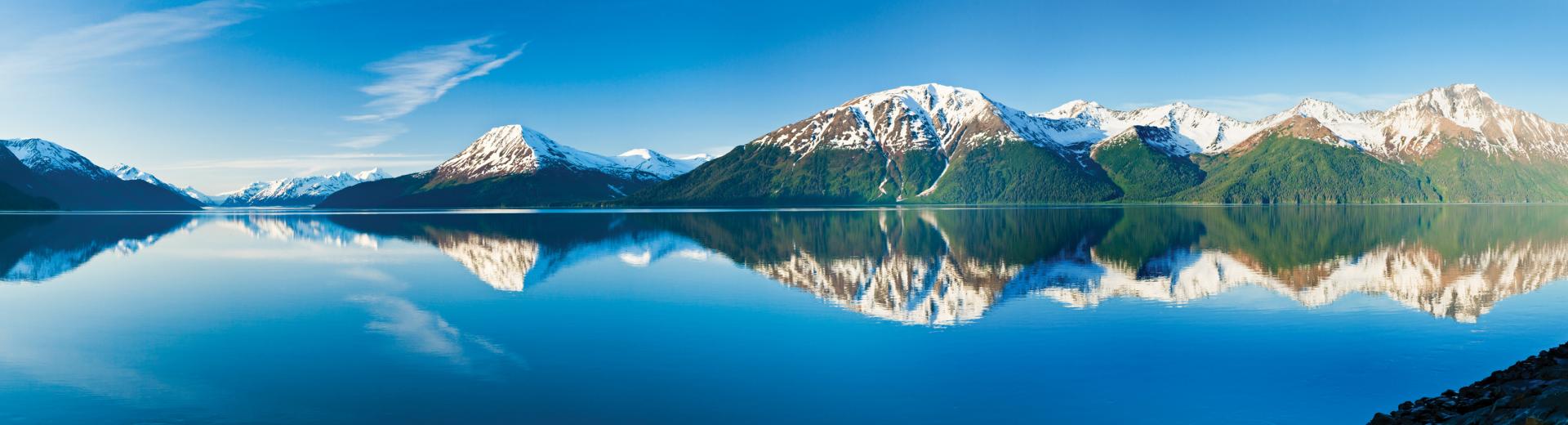
Local Climate & Weather
For Alaska's day-to-day weather, it’s best to plan for a bit of everything. Learn more about weather in this area.
Travel Inspiration
#TravelAlaska
#TravelAlaska
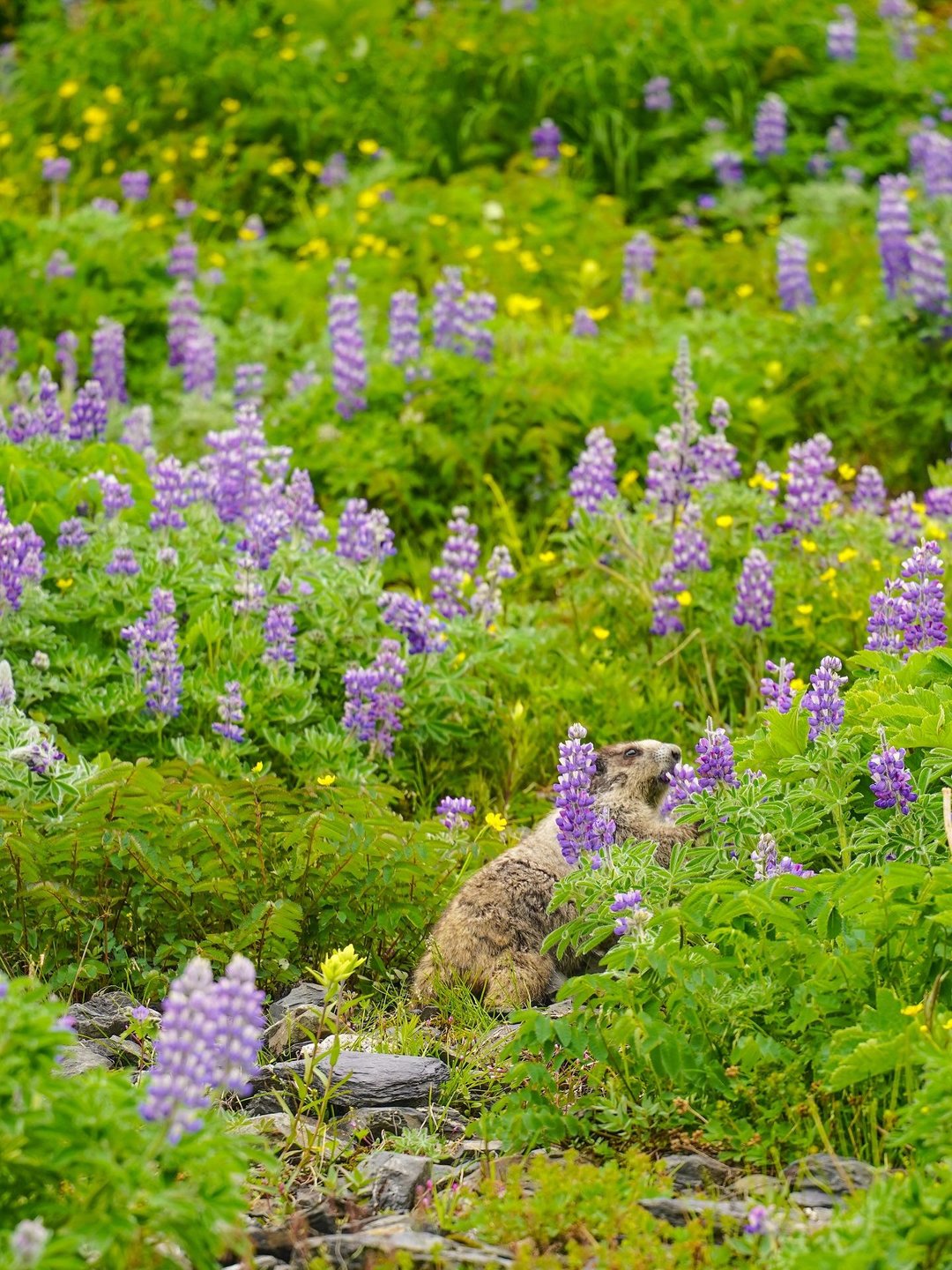 @lostwithlydia
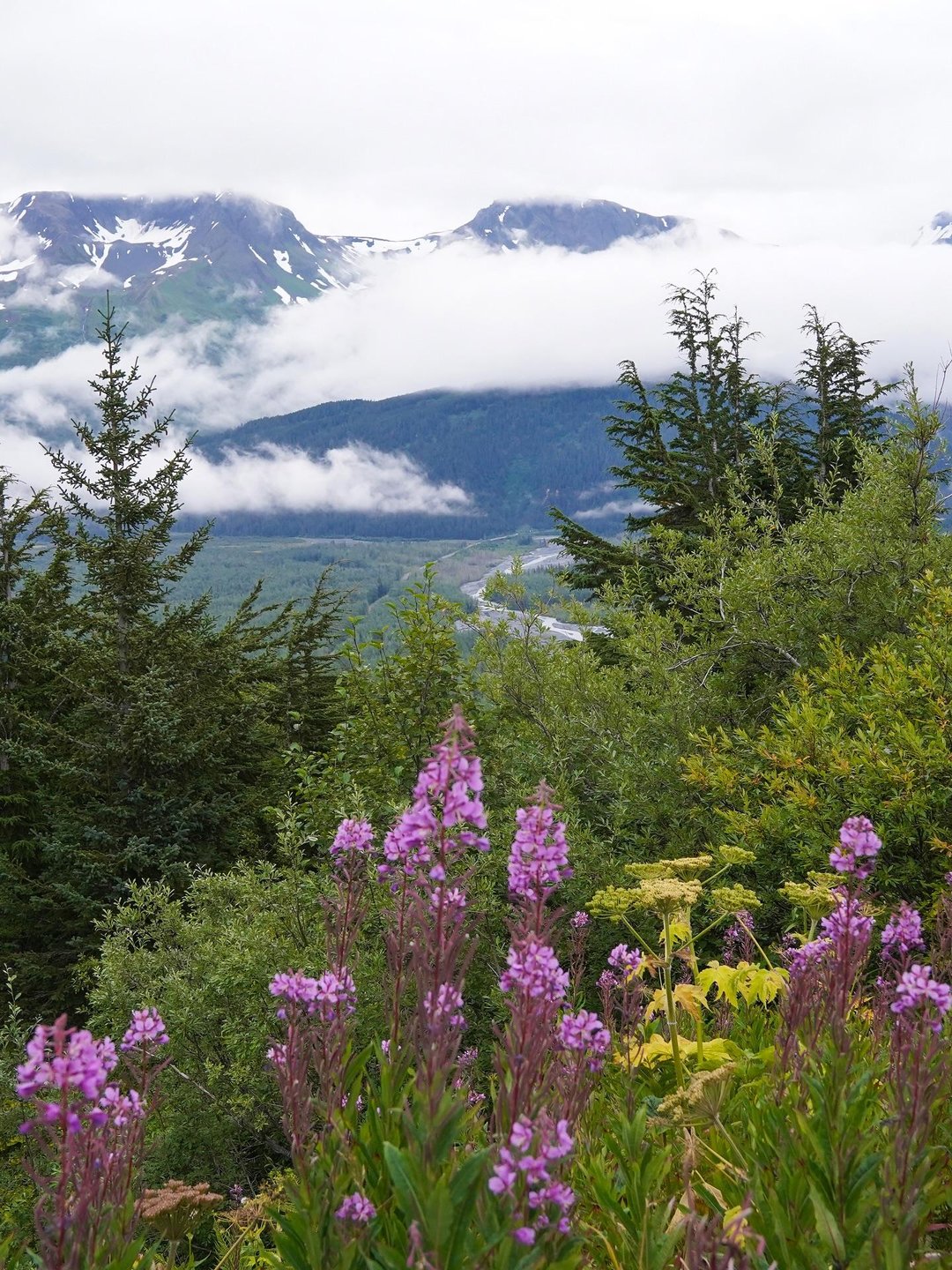 @lostwithlydia
 @lostwithlydia
 @wow.such.foto
 @wow.such.foto